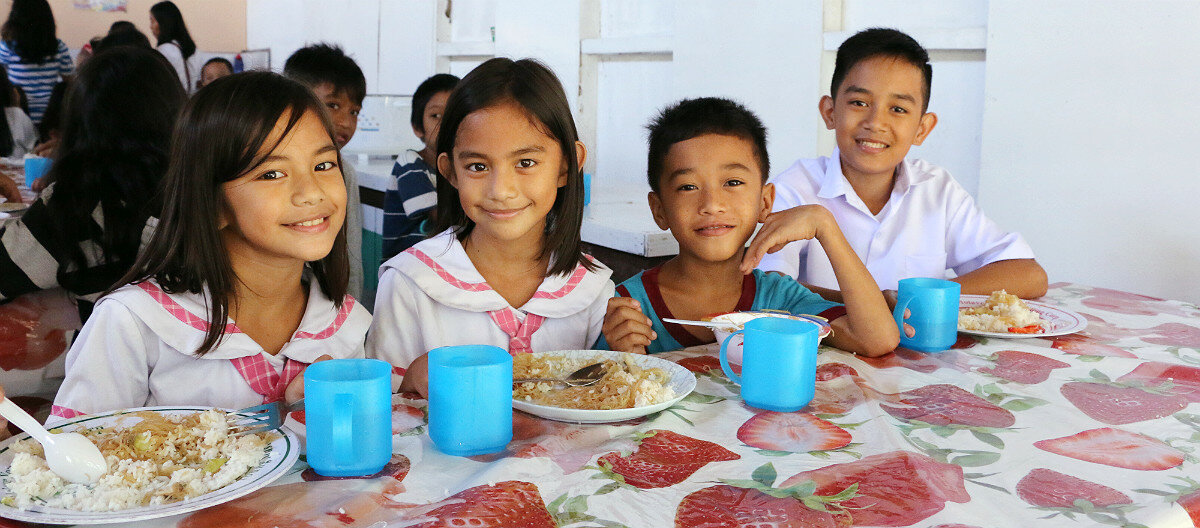
The archipelago of the Philippines, adorned with emerald-green isles and bathed by the azure waters of the Pacific, has long been a canvas for both breathtaking beauty and profound challenges. Among its many trials, the specter of food insecurity looms large, exacerbated by natural calamities, economic strife, and a global pandemic that has ravaged lives and livelihoods. Yet, amid this tempest, a beacon of hope has emerged—an ingenious intertwining of technology and compassion, a lifeline delivered by digital text. The World Food Program (WFP) has embarked on a revolutionary journey, transforming the narratives of survival into tales of resilience and adaptation, making help as accessible as a single message on a mobile phone.
Imagine a farmer, his hands calloused by years of toiling the sun-dappled earth, receiving a single text that opens a floodgate of opportunity. This text is not merely a message; it is an invitation to a lifeline, a promise that sustenance and support are within arm’s reach. With the initial hurdles of communication dismantled, the WFP in the Philippines has intricately woven a network that marries immediacy with accessibility. In a nation where mobile penetration reaches extraordinary heights, the smartphone becomes a vessel of hope rather than mere entertainment.
The mechanism in place is as straightforward as it is revolutionary. Individuals in need of assistance can communicate their distress through a series of simple text inputs. This immediacy strips away the bureaucratic red tape that often suffocates aid distribution. In doing so, the WFP efficiently identifies and responds to food shortages within communities. It charts a path from despair to sustenance, all encoded in strings of data sent through the ether.
This innovation resonates most profoundly when examining the demographics of those it assists. Rural communities, often caught in the quagmire of isolation, are particularly vulnerable. Prior to the advent of text-based assistance, residents frequently faced obstacles akin to insurmountable mountains—transportation woes, financial constraints, and severe weather disruptions hampered their access to emergency supplies. However, by merely tapping their fingers upon a screen, they unlock doors to support that had previously seemed impermeable.
Throughout the rollout, the beauty of human connection—and the shared struggle for sustenance—became evident. Each text initiated a dialogue, not only between the sender and the WFP but among community members as well. At its core, this initiative transcends mere logistics; it fosters a sense of camaraderie bolstered by the collective endeavor of survival. It resonates with the age-old proverb that necessity is the mother of invention, but here, necessity ignites a powerful community spirit.
But the importance of this project extends beyond immediate relief. The WFP is orchestrating an education revolution, using this platform as a conduit for imparting knowledge. Messages extend to agricultural practices, nutritional education, and resilience-building strategies against climate woes. As farmers receive insights on sustainable growing methods and nutrition tips, they are equipped not only to weather the storms but to cultivate the very seeds of their own future. In this way, the WFP is not merely a benefactor; it is a catalyst, sowing the seeds of hope and opportunity.
The impact of such innovation cannot be overstated. In regions where access to traditional resources might be curtailed, the ephemeral nature of a text can instead coldly render the immediate tangible. It allows the WFP to morph from an entity often perceived as distant to a personable presence, one that responds quickly to the rhythm of the community’s needs. The immediacy of text makes it a powerful instrument of transformation, as swift as the mighty winds that sweep through the archipelago during typhoon season.
Furthermore, this system helps to fortify the resilience of local economies. By swiftly addressing food scarcity, the WFP encourages the stabilization of markets as households receive the aid crucial for survival. Once tenuous streams of commerce begin to flow steadily, it nurtures a palpable sense of community renewal. With steady access to food, families can focus on rebuilding their lives and participating in local economies rather than dwelling in a constant state of need.
The narrative of “help” has been reframed in the Philippines, where a text message symbolizes more than just information—it embodies potential and promise. The interlacing of technological prowess with humanitarian initiatives not only helps combat food insecurity but exemplifies a new era of aid distribution. This seamless integration radiates across a multiplicity of sectors and serves as a paradigm of possibility for other nations grappling with similar challenges.
Yet, as with any system, the road is not without its challenges. Ensuring equitable access to technology, particularly in underserviced communities, remains paramount. Additional layers of collaboration are sought with local governments, NGO partners, and telecommunication companies to secure inclusive measures. For if the power of the text is to remain unfettered, it must be extended to every corner of the archipelago.
In capturing the essence of this remarkable initiative, it becomes apparent that the World Food Program’s intervention in the Philippines exemplifies a dance of innovation and compassion—a masterful choreography that invites the world to witness how digital technology can nourish not just the body, but the collective spirit of nationhood. All through the simple act of sending a text, hope is ignited, as the Philippines continues to cultivate resilience amidst adversity.