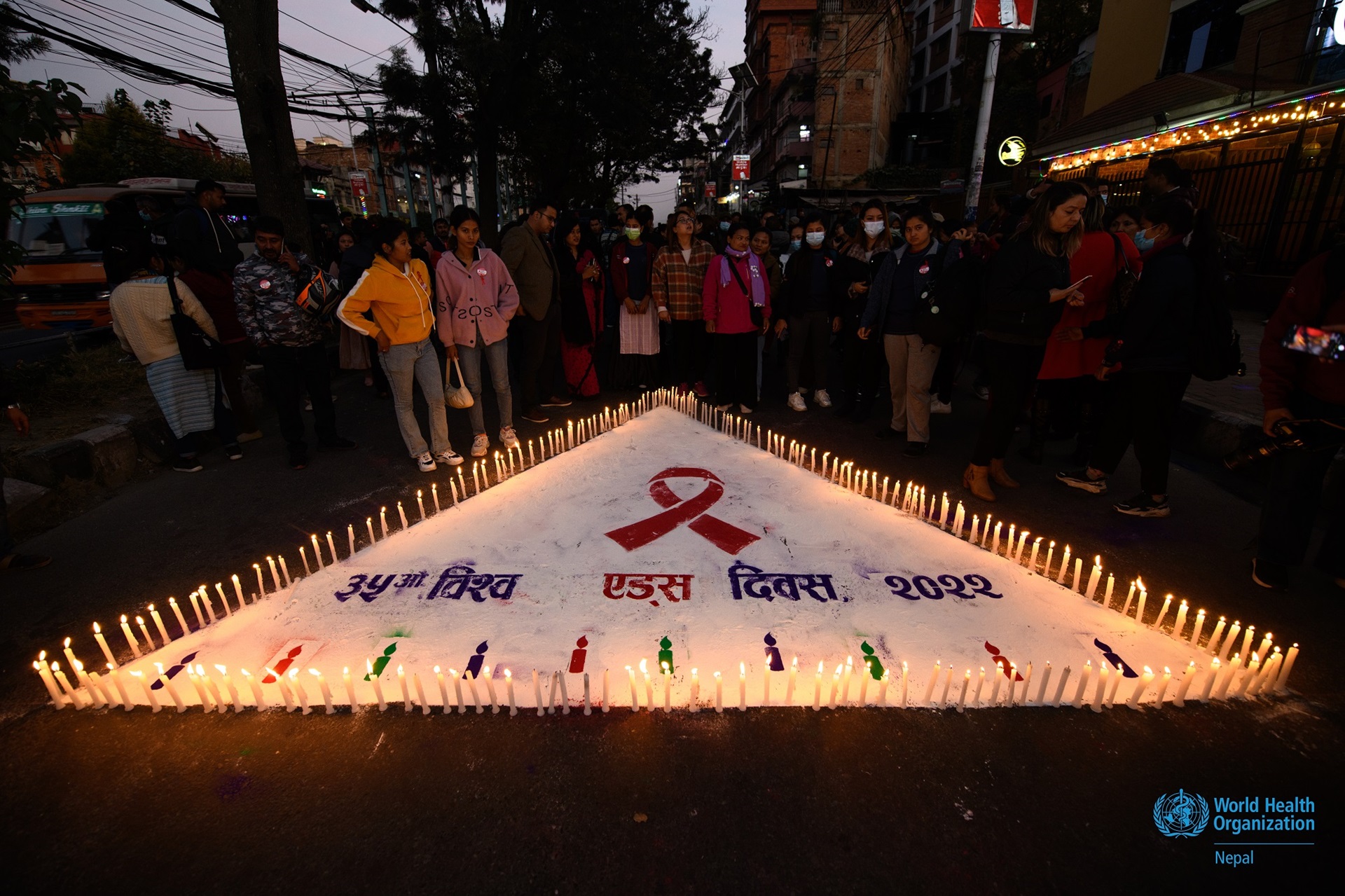
World AIDS Day, observed annually on December 1st, serves as a poignant reminder of the ongoing battle against HIV/AIDS, highlighting both the medical advancements and the societal challenges that persist in the fight against this epidemic. Each year, the observance sheds light on the human rights implications intertwined with HIV/AIDS, urging a global discourse that transcends mere statistics to encompass the fundamental dignity of those affected. This year’s theme, “Human Rights Count,” embodies a clarion call to acknowledge that safeguarding individual rights is inextricably linked to combating stigma, discrimination, and the spread of this virus.
With over 38 million people living with HIV worldwide, the narrative surrounding HIV/AIDS is multifaceted. It encapsulates an array of experiences, struggles, and triumphs that should ignite curiosity and foster understanding. Beyond the grim numbers lies an individual’s right to health, to treatment, and, most importantly, to live free from discrimination based on their health status. Recognizing this perspective is crucial in fostering a compassionate society.
One cannot overlook the significance of stigma surrounding HIV/AIDS. Despite progress in medical treatment and understanding of the virus, many people still experience isolation and prejudice. This stigma often manifests in a pernicious cycle, where individuals hesitate to seek testing or treatment due to fear of being ostracized. Hence, addressing stigma is not merely a societal nicety; it is a human rights imperative. The narrative shifts when individuals view those living with HIV not solely through the lens of illness but through the prism of human experience and resilience.
Furthermore, the intersectionality of HIV/AIDS with various socio-economic factors adds layers to this complex issue. Vulnerable populations, including marginalized groups, women, and youth, face exacerbated risks and barriers to accessing healthcare. For instance, women are disproportionately affected by HIV, particularly in regions with limited healthcare infrastructure. Their right to sexual and reproductive health must be prioritized to ensure comprehensive strategies that encompass prevention, testing, and treatment. This is not just a health issue; it is a profound expression of human rights, where gender equality and autonomy take center stage.
The global landscape of HIV/AIDS treatment has undergone a metamorphosis, largely due to the advent of antiretroviral therapy (ART). However, accessibility remains a critical concern. In many low and middle-income countries, access to life-saving medication is hindered by geographical, financial, and systemic barriers. This reality starkly highlights the necessity for equitable healthcare systems that uphold the right to health for all individuals, regardless of their socio-economic status. Bridging this gap demands a rethinking of healthcare policies, ensuring they are inclusive and responsive to the needs of those most affected by the epidemic.
Education plays an instrumental role in human rights advocacy within the context of HIV/AIDS. Comprehensive sex education and awareness campaigns can dismantle misconceptions and foster informed communities. This proactive approach not only empowers individuals but also cultivates a society that empathizes with those living with HIV, thus reducing stigma and discrimination. By shifting the focus from fear to knowledge, we can begin to alter public perceptions and enhance the overall discourse around HIV/AIDS.
Moreover, the power of advocacy cannot be underestimated. Grassroots movements, community leaders, and activists have been at the forefront of the HIV/AIDS movement, advocating for the rights and dignity of individuals. Their voices resonate in the conversation about human rights, demanding accountability from governments and stakeholders for the commitments made towards combating HIV/AIDS. This advocacy has proven instrumental in challenging discriminatory practices and policies, shaping a more inclusive dialogue that prioritizes the voices of those affected.
As we observe World AIDS Day this year, it is imperative to consider the role of governments and institutions in upholding human rights. Policies that criminalize HIV transmission or stigmatize those living with the virus only serve to exacerbate the problem, driving people further into the shadows. It is essential for policymakers to adopt frameworks that recognize the health and human rights of individuals as paramount. This pivot in perspective is not only beneficial for public health but also serves to foster a more compassionate and just society.
The call to action on World AIDS Day transcends mere remembrance; it is an invitation to engage with a global community in solidarity, respect, and accountability. It encourages us to reflect on our roles as advocates, educators, and allies in the movement. Each individual has the capacity to contribute to a culture that honors human rights, dismantles stigma, and supports those affected by HIV/AIDS.
Ultimately, “Human Rights Count” signifies that the fight against HIV/AIDS is not solely a medical endeavor; it is an ethical one. It requires an unwavering commitment to dignity, equity, and respect for every individual, regardless of their status. As we confront the challenges that lie ahead, let us embrace this shift in perspective, fostering a society where human rights take precedence in the fight against HIV/AIDS. In doing so, we pave the way for a healthier, more compassionate world, united in our pursuit of justice and understanding.