In the turbulent wake of humanitarian emergencies, a compelling metamorphosis occurs. Women, often relegated to the peripheries of societal discourse, emerge as transformative agents of change. Their intimate knowledge of community dynamics, coupled with an innate resilience, enables them to spearhead initiatives that bridge the chasms forged by crisis. This article sheds light on the multifaceted roles women undertake in post-emergency landscapes, illustrating how their contributions sow the seeds of lasting societal metamorphosis.
The tableau of a humanitarian emergency is often painted in stark shades of chaos and despair. Yet, amidst the ruins, women champion innovation and recovery. They become the weavers of social fabric, stitching together fragmented communities with threads of empathy, understanding, and fortitude. It is within this context that their unique appeals as catalysts become palpable.
1. The Pillars of Community Resilience
Women are often the custodians of cultural heritage and community values. In the aftermath of crises, they undertake the daunting task of preserving this identity. By organizing grassroots movements, they foster a sense of belonging and continuity. In many instances, these leaders galvanize their cohorts to restore essential services, advocating for health, education, and safety. Their actions become the glue that binds communities, ensuring that recovery is not merely a construction of infrastructure, but a re-establishment of social cohesion.
2. Emissaries of Peace and Advocacy
In the aftermath of turmoil, the echoes of conflict often linger, threatening to derail recovery efforts. Women frequently emerge as peacebuilders, harnessing their unique narratives to advocate for dialogue and understanding. Their ability to empathize with disparate perspectives fosters reconciliation. They become emissaries of peace, often negotiating on behalf of their communities in hostile environments where men may be perceived as aggressors. This role underscores the salience of female voices in shaping equitable societal landscapes.
3. Champions of Health and Wellbeing
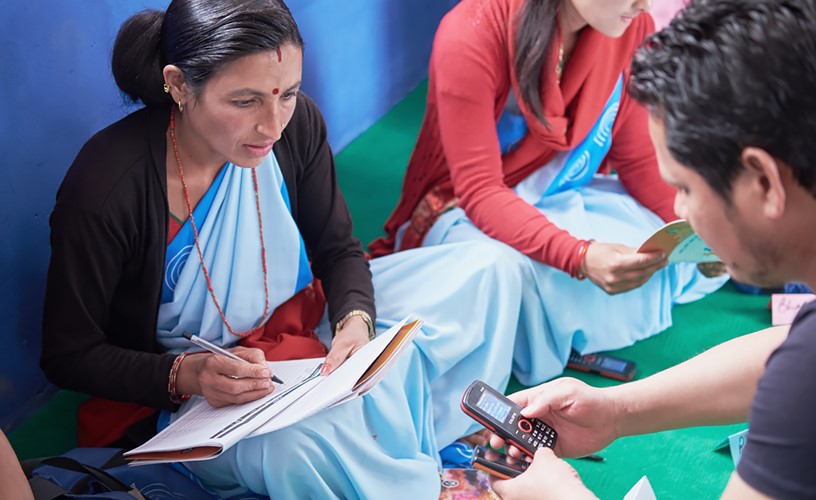
Health crises often exacerbate in the wake of humanitarian emergencies, with women bearing the brunt of increased vulnerabilities. Yet, women also rise to address these challenges head-on. As healthcare providers, educators, and promoters of reproductive health, they are crucial in ensuring the well-being of families. By initiating health education programs, women not only impart knowledge but also empower others to take charge of their health. Their work becomes a beacon, illuminating pathways toward physical and mental wellness amidst adversity.
4. Economic Mavericks: Rebuilding Livelihoods
The economic disarray that follows humanitarian emergencies demands ingenuity. Women, often the primary caregivers, navigate the precarious path of economic recovery with remarkable acumen. They create cooperatives, lend microloans, and initiate local businesses within their communities. This economic dynamism not only fortifies families but also invigorates local markets, reinstating stability in the post-crisis environment. The ripple effects of their entrepreneurial spirit can revitalize entire economies.
5. Environmental Stewards
The environmental repercussions of humanitarian emergencies can be profound, altering land use and disrupting ecosystems. Women, intrinsically connected to their environments, often take on the mantle of custodians. They advocate for sustainable practices that prevent further degradation, employing traditional ecological knowledge to inform modern methodologies. Their commitment to environmental stewardship cultivates resilience, ensuring that recovery does not come at the expense of ecological integrity.
6. Educational Trailblazers
Education often falters during crises, with young women bearing a disproportionate burden. Yet, women frequently become educational trailblazers, organizing informal schools and learning centers to mitigate this loss. Their efforts extend beyond traditional educational paradigms; they teach resilience, critical thinking, and life skills, preparing future generations to address the challenges that lie ahead. This transformative education becomes a shield, protective armor against the volatility of future emergencies.
7. Policy Influencers
As communities rebuild, the need for relevant policy frameworks becomes paramount. Women, with their comprehensive understanding of local needs, emerge as influential voices in policymaking. By participating in local governance and advocacy groups, they become instrumental in shaping policies that are equitable and inclusive. Their insights infuse rigor into decision-making processes, ensuring that the unique challenges faced by women and marginalized groups are adequately addressed. Through this engagement, they redefine the parameters of governance, making it more responsive and accountable.
8. Agents of Global Change
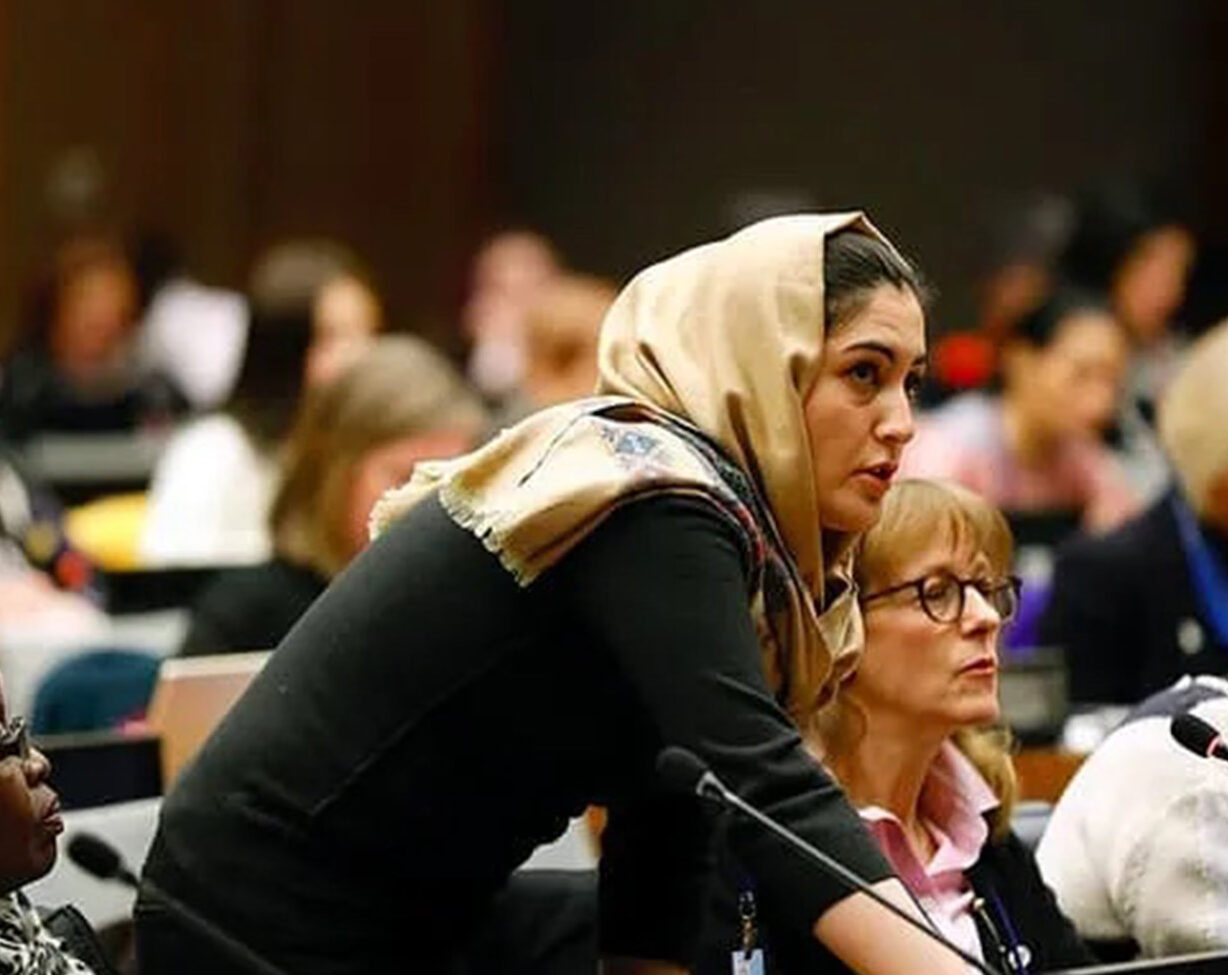
The ripple effects of women’s actions in post-emergency contexts transcend local boundaries. By assuming roles in international organizations, they amplify their voice on global platforms, influencing humanitarian and development agendas. Women take their extraordinary experiences from local communities to international forums, advocating for systemic change that addresses the root causes of vulnerabilities. Their global influence becomes a powerful ripple, challenging existing paradigms and fostering a world where equity and justice prevail.
Conclusion
Women, in the aftermath of humanitarian emergencies, epitomize resilience and ingenuity. They embody the intricate tapestry of societal change, weaving together threads of empowerment, advocacy, and transformation. Their contributions are not merely beneficial; they are indispensable for fostering robust, equitable, and sustainable communities. As agents of change, they illuminate the path forward, turning the ashes of adversity into the fertile ground for hope, resilience, and renewal.