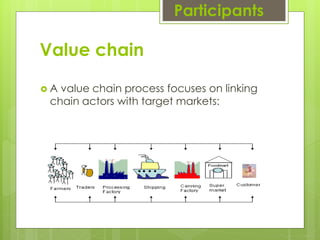
In the modern business landscape, the value chain stands as a pivotal concept, providing a framework to analyze the systematic activities that companies engage in to deliver products or services. However, a critical examination reveals a notable absence of Information and Communication Technologies (ICTs) within these frameworks. This conspicuous gap not only warrants scrutiny but also hints at underlying conditions that merit further exploration. Let’s delve into the multifaceted layers of this omission and its implications for businesses today.
At its core, the value chain is designed to create a competitive advantage by delineating the sequence of activities from inception to consumption. Yet, in an era where digital transformation shapes every aspect of corporate operations, the integration of ICTs within the value chain appears insufficient. While companies may engage in digitization efforts, the fundamental question remains: Why is the strategic infusion of ICTs into each segment of the value chain often overlooked?
One of the most apparent reasons for this gap lies in the traditional paradigms that govern business processes. Many organizations remain entrenched in conventional methodologies, relying on legacy systems that stifle innovation. These outdated infrastructures often resist the fluid interchange of information—an essential element for leveraging ICT capabilities. As a result, the value chain becomes fragmented, inhibiting seamless communication and real-time data exchange across departments.
Moreover, there is a pervasive misconception that ICT integration is merely an IT-related endeavor. This misalignment underestimates the transformative potential of technology as a strategic asset that permeates all facets of the value chain. In reality, effective ICT incorporation necessitates a cross-functional approach, where every stakeholder—from marketing to operations—recognizes and embraces the role of technology in enhancing efficiency and responsiveness.
A further layer complicating this scenario is the lack of a cohesive digital strategy. Many businesses have adopted various ICT tools in a piecemeal fashion, often without a clear understanding of how these technologies align with their overarching objectives. This disjointed implementation can lead to a cacophony of redundant systems that fail to leverage collective insights. Consequently, the potential for optimizing the value chain suffers, as organizations miss the opportunity to create synergistic enhancements through integrated technologies.
Additionally, the financial constraints associated with ICT investments often deter organizations from pursuing comprehensive integration strategies. Executives may opt for cost-effective short-term solutions instead of committing to the substantial initial investment required for a full-scale technology overhaul. While these short-term savings may seem advantageous, they frequently result in increased long-term costs associated with inefficiencies and lost opportunities.
Furthermore, resistance to change can significantly inhibit the integration of ICTs into the value chain. Employees, accustomed to standard operating procedures, may exhibit reluctance to adopt new technologies, fearing disruption of their routine. This cultural inertia can create an environment where innovation is stifled, and the organization’s ability to adapt to market dynamics is compromised.
The implications of neglecting ICTs within the value chain are profound. Without the seamless implementation of technology, organizations become susceptible to a range of challenges, from supply chain disruptions to inefficiencies in production. For example, consider the case of businesses that rely on antiquated inventory management systems. Without real-time data analytics, these organizations grapple with overstocking or stockouts, leading to lost revenue and customer dissatisfaction. Such scenarios exemplify the tangible costs of failing to harness the power of ICTs.
Conversely, organizations that prioritize the integration of ICTs into their value chains stand to gain a significant competitive edge. By adopting advanced data analytics, artificial intelligence, and cloud computing, businesses can enhance their ability to respond to changing market conditions and consumer preferences. For instance, utilizing predictive analytics allows companies to anticipate trends and align their offerings with customer demands effectively. Thus, the strategic incorporation of ICTs empowers organizations to not only streamline operations but also foster innovation.
Moreover, the interoperability facilitated by integrated ICT systems yields greater visibility across the value chain. By ensuring that stakeholders have access to relevant data and insights, organizations can achieve a level of collaboration that transcends departmental boundaries. This interconnectedness fosters agility, enabling swift decision-making and a proactive approach to addressing challenges as they arise.
In addressing the gap of ICTs in the value chain, a multifaceted strategy is essential. Organizations must cultivate a culture that embraces technological advancement, equipping employees with the skills and knowledge necessary to adapt to new tools. Furthermore, the development of a cohesive digital strategy—one that aligns technology initiatives with business objectives—plays a critical role in fostering an environment conducive to innovation.
Ultimately, the conversation surrounding the integration of ICTs in the value chain must transcend mere acknowledgment of their absence. By understanding the deeper implications of this gap, businesses can forge a path toward transformation that is not simply defined by technology, but by an enduring commitment to enhancing value creation at every juncture. In doing so, they not only capture the opportunities inherent in the digital age but also redefine what it means to achieve operational excellence in an interconnected world.