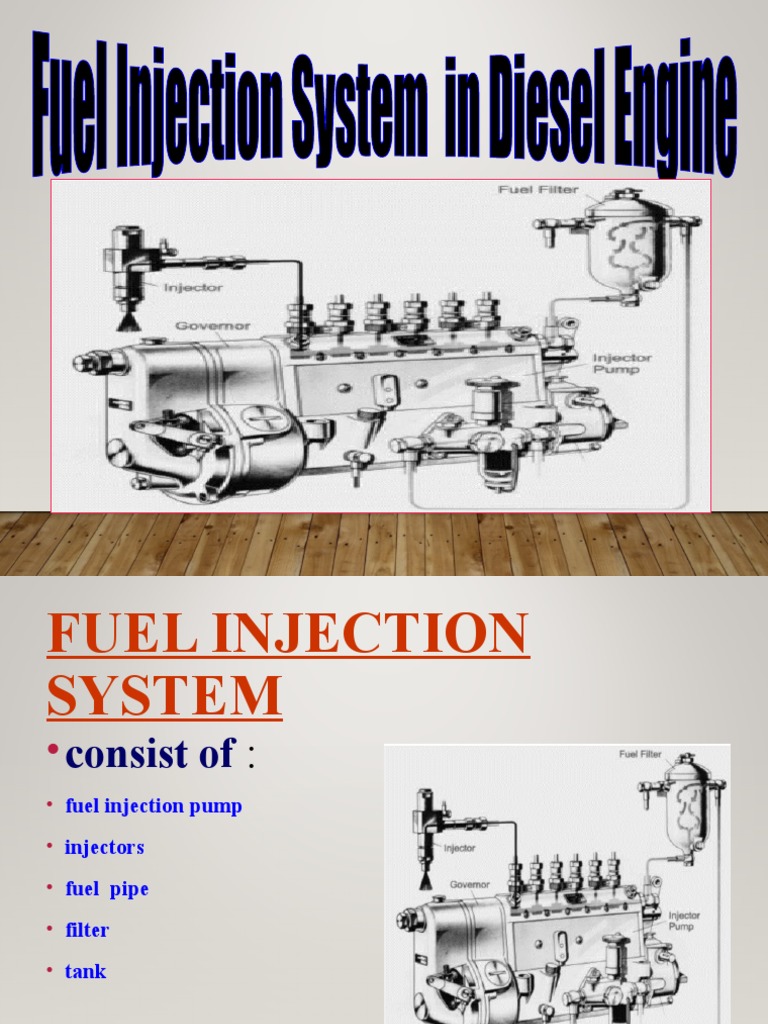
The fuel injection system, often likened to the heart pumping vital nutrients throughout a living organism, is a crucial component of modern internal combustion engines. It operates with a finely-tuned precision, ensuring that the right amount of fuel is delivered at the right time, much like a maestro leading an orchestra to create a symphony of power and performance. Understanding the intricate workings of a fuel injection system unveils not only its technical aspects but also its profound impact on automotive engineering and environmental sustainability.
1. The Anatomy of Fuel Injection Systems
At its core, a fuel injection system consists of several integral components: the fuel pump, fuel injectors, and the engine control unit (ECU). Each element plays a pivotal role in maintaining the delicate balance between air and fuel, reminiscent of a chef carefully measuring ingredients to concoct the perfect recipe. The fuel pump serves as the lifeblood, drawing gasoline or diesel from the tank and sending it through the fuel lines. This fuel is then distributed to the injectors, which are the sentinels that atomize the liquid, transforming it into a fine mist that can effortlessly mix with air inside the combustion chamber.
2. The Evolution of Fuel Injection Technology
Fuel injection systems have undergone a metamorphosis since their inception. The early mechanical injection systems, akin to a blacksmith hammering out primitive tools, were rudimentary and often unreliable. With the advent of electronic fuel injection (EFI) in the late 20th century, a paradigm shift occurred. EFI systems, much like the introduction of computers into everyday life, brought about greater efficiency, control, and responsiveness. This technology allowed for real-time adjustments based on various parameters—such as engine temperature and air density—ensuring optimal combustion.
3. Types of Fuel Injection Systems
There are primarily two types of fuel injection systems: port fuel injection (PFI) and direct fuel injection (DFI). PFI, much like a gentle rain nurturing the soil, delivers fuel into the intake manifold, where it mixes with air before entering the cylinder. This method is renowned for its ability to enhance throttle response and reduce emissions.
Conversely, DFI injects fuel directly into the combustion chamber at high pressure. This method exemplifies precision engineering, as it allows for a more complete combustion cycle, optimizing power output and fuel efficiency. However, akin to a double-edged sword, DFI systems can lead to carbon buildup on intake valves due to the absence of direct washing from the fuel, necessitating meticulous maintenance.
4. The Role of the Engine Control Unit
The ECU operates as the brain within this hydraulic system, analyzing sensor data and orchestrating the fuel delivery process to ensure seamless operation. It calculates the optimal air-fuel ratio based on multiple inputs, transforming the engine’s response much like a conductor guiding an orchestra’s tempo and dynamics. By utilizing feedback from sensors such as the mass airflow sensor and oxygen sensors, the ECU continually refines its calculations, adapting to changing operational conditions.
5. Advantages of Fuel Injection Systems
The benefits of a fuel injection system are manifold, creating an allure that captures automotive enthusiasts and eco-conscious drivers alike. Enhanced fuel efficiency is perhaps the most compelling advantage, as the precise delivery of fuel minimizes waste and maximizes energy extraction. This efficiency is paramount in an age where environmental concerns are at the forefront, as fuel injection systems significantly reduce harmful emissions.
Moreover, fuel injection systems improve overall engine performance, providing greater horsepower and torque. The responsiveness of an injected engine is akin to that of an athlete poised at the starting line, ready to spring into action. Drivers experience smoother acceleration and increased throttle response, enhancing the driving experience.
6. Challenges and Considerations
Additionally, DFI systems are susceptible to certain pitfalls, particularly carbon buildup. Over time, the accumulation of deposits can hinder performance, akin to the gradual clogging of arteries, necessitating regular maintenance to preserve engine health.
7. The Future of Fuel Injection Systems
Moreover, with the rise of electric and hydrogen fuel cell vehicles, traditional fuel injection systems may find themselves at a crossroads, challenging engineers to repurpose their ingenuity for emerging technologies. The quest for a sustainable future hinges on balancing performance with ecological responsibility, ensuring that automobile advancements continue to fuel progress rather than hinder it.
In conclusion, the fuel injection system stands as a testament to the marriage of art and science in the automotive world. Its ability to transform a simple mixture of air and fuel into a powerful force propelling vehicles forward is nothing short of magical. As we dissect its intricacies, we uncover a narrative woven through innovation, precision, and an unwavering commitment to performance. The evolution of fuel injection systems will undoubtedly leave an indelible mark on the future of transportation, propelling us toward horizons yet to be imagined.