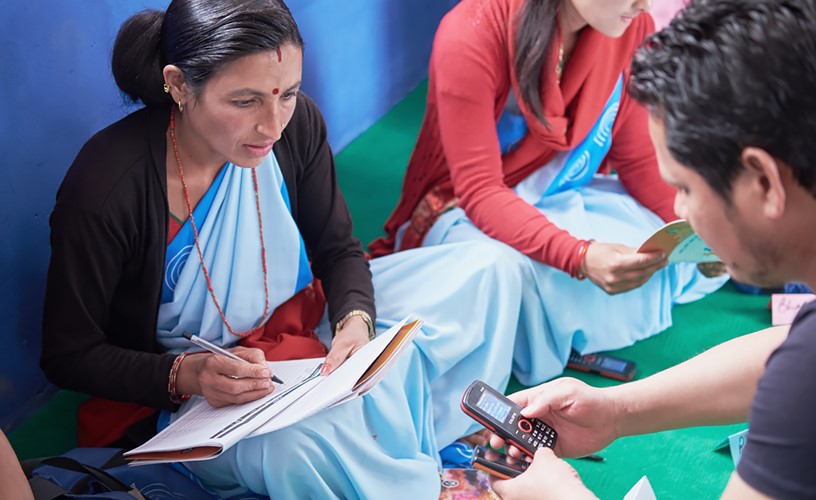
Humanitarian emergencies precipitated by conflict, natural disasters, and widespread instability often result in the deterioration of health systems, increasing vulnerability to diseases like HIV/AIDS. Addressing the implications of both HIV and humanitarian disasters can be paramount in mitigating suffering and improving health outcomes. The advent of Information and Communication Technologies (ICTs) offers innovative methods to enhance prevention, treatment, and awareness of HIV/AIDS in vulnerable populations. This article delves into the multifaceted ways ICTs are harnessed to combat HIV/AIDS during humanitarian crises.
1. The Context of Humanitarian Emergencies
Humanitarian emergencies—whether they stem from war, natural disasters, or epidemics—create a distinct set of challenges for health professionals and aid organizations. These crises often lead to mass displacement, breaking social networks and disrupting access to essential healthcare services. Under such circumstances, the existing vulnerabilities of populations, including those living with HIV, are exacerbated. As healthcare resources become stretched, the potential for increased HIV transmission and diminished access to treatment reaches alarming levels. Thus, innovative solutions are urgently warranted.
2. ICTs: A Catalyst for Change
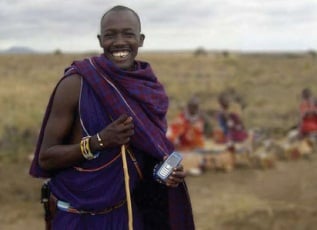
ICTs encompass a broad spectrum of technologies used for communication and information dissemination. In the context of HIV/AIDS management during humanitarian emergencies, ICTs can revolutionize how information is shared, services accessed, and healthcare delivered. From mobile health applications to social media platforms, these technologies provide unique opportunities for addressing the scourge of HIV/AIDS among displaced populations. By leveraging technology, stakeholders can initiate timely interventions that cater to the specific needs of affected communities.
3. Enhancing Awareness and Education
Awareness campaigns are foundational in the fight against HIV/AIDS. ICTs can significantly enhance the reach and impact of educational efforts. For instance, mobile apps designed for health education can be disseminated rapidly among target populations. These platforms serve not only to inform individuals about HIV transmission and prevention methods but also to debunk prevalent myths surrounding the disease. Furthermore, the immediacy of social media enables organizations to disseminate critical information in real-time, forging connections between communities and service providers.
4. Facilitating Access to Healthcare
Access to healthcare is often compromised in humanitarian emergencies. ICTs help bridge this gap through telemedicine, allowing patients, particularly those living with HIV, to consult healthcare professionals without needing physical travel. This is especially essential for those in remote or unstable locations where health facilities may be non-existent or too dangerous to access. Additionally, text messaging services can remind individuals of treatment schedules, ensuring medication adherence, which is critical for those on antiretroviral therapy.
5. Data Collection and Monitoring
Accurate data is imperative for effective response strategies during humanitarian emergencies. ICTs facilitate improved data collection and analysis, allowing health workers to monitor HIV prevalence among affected populations. Mobile applications can be employed to gather statistics from the ground in real-time, tracking infections, treatment adherence, and related health outcomes. This data serves as a foundation for informed decision-making by health authorities and NGOs, aiding resource allocation and program adjustments, ultimately leading to better health outcomes.
6. Supporting Mental Health Initiatives
The psychological toll inherent in humanitarian emergencies cannot be overstated, especially for individuals living with HIV. ICTs can also play a role in addressing mental health issues through remote counseling services and online support groups. By providing platforms where individuals can communicate anonymously, these technologies allow people to share their experiences and challenges without the fear of stigmatization. Thus, they support emotional well-being, which is intertwined with effective management of chronic illnesses like HIV/AIDS.
7. Building Community Support Networks
Solidarity is often a lifeline for individuals navigating the dual burdens of displacement and HIV. ICTs enable the creation of virtual support networks, facilitating dialogue and connection among affected individuals and communities. Platforms such as forums and chat groups can foster collective resilience, encouraging individuals to share resources, strategies, and information. These networks can empower users by advocating for their rights and impelling action from governmental and non-governmental organizations to address the needs of those living with HIV in emergencies.
8. Challenges and Limitations
Despite the immense potential of ICTs, several challenges impede their effective implementation in humanitarian emergencies. Limited connectivity, especially in remote regions, can hinder access to digital solutions. Furthermore, not all populations may have the requisite skills or tools to utilize these technologies fully. Moreover, security concerns regarding sensitive health data must be addressed to build trust in digital interventions. Acknowledging and proactively mitigating these challenges is essential for ICTs to realize their full potential in the fight against HIV/AIDS.
9. Conclusion: A Holistic Approach
ICTs represent an increasingly crucial tool in the response to HIV/AIDS during humanitarian emergencies. They provide innovative avenues for education, treatment access, and community support, all vital for managing HIV in crisis situations. However, to harness their potential effectively, it is imperative for stakeholders to adopt a holistic approach, addressing not just the technological aspects but also the sociocultural factors that influence their adoption and use. By integrating ICT solutions with community-based strategies and traditional healthcare practices, it is possible to create a comprehensive response that adapts to the evolving landscape of humanitarian crises.