In the intricate tapestry of global health initiatives, the USAID Maternal and Child Health Integrated Program (MCHIP) emerges as a vibrant thread, weaving health into the very fabric of communities. With an emphasis on maternal and child health, this program is not merely a lifeline; it is an elegant symphony that uses mobile technology to enhance healthcare accessibility and effectiveness. Like a well-tuned orchestra, various components work in harmony to improve outcomes for mothers and children in developing regions.
At the core of MCHIP’s success lies mobile technology, a modern-day Chiron leading the way through the wilderness of healthcare inequalities. Through the use of innovative mobile platforms, the program disseminates vital information, ensuring that crucial health messages are communicated effectively and efficiently. As trusted companions, these mobile apps guide healthcare workers and mothers alike, ensuring they are well-versed in health practices that can significantly impact their lives.
1. Empowering Health Workers
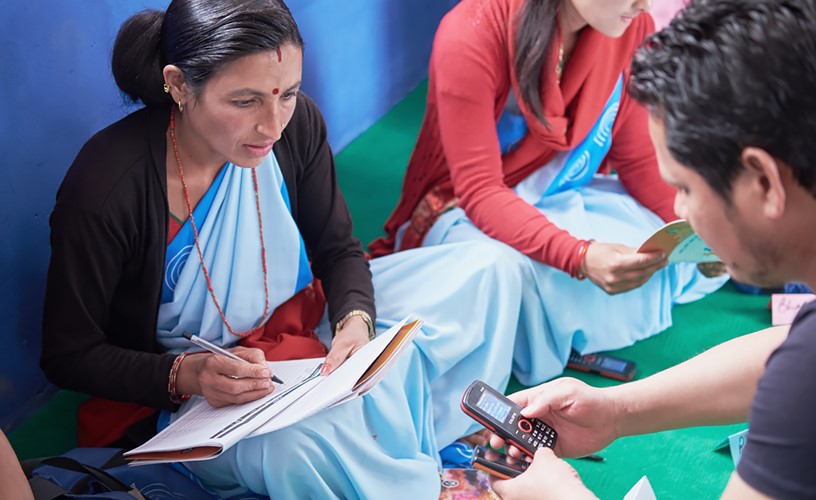
At the frontline of maternal and child health, health workers are the unsung heroes. MCHIP utilizes mobile technology to provide them with a toolkit of resources that fosters confidence and competence. Training modules, real-time data collection, and digital communication channels are seamlessly integrated into their daily routines. With their smartphones serving as portals to knowledge, health workers can access the latest guidelines, research findings, and necessary resources while navigating the often unpredictable landscape of healthcare delivery.
This mobile intervention not only equips health workers with skills but also instills a sense of community. Online platforms allow for a vibrant exchange of ideas, where experiences and challenges can be shared. The result? A collective intelligence that enhances the quality of care provided to mothers and their children.
2. Connecting Mothers to Care
Just as the roots of a tree intertwine with the earth, binding it to nutrients essential for growth, MCHIP connects mothers to vital health services through mobile technology. One of the most remarkable features is the use of mobile messaging services, which serve as a lifeline for expectant mothers facing daunting barriers to healthcare. Weekly reminders about prenatal visits, vaccinations, and nutritional advice become a comforting presence in their lives, guiding them like a beacon through the fog of uncertainty.
This connectivity transforms the often fractured healthcare experience into a more cohesive journey. Women no longer feel isolated or overwhelmed; instead, they are buoyed by a network of reminders and supportive messages. By simplifying the process of accessing maternal healthcare, the program lays the groundwork for healthier futures.
3. Harnessing Data for Impact
Imagine a ship navigating treacherous waters, guided by the stars. In a similar manner, MCHIP harnesses the power of data to steer maternal and child health initiatives toward success. Mobile technology captures vital health data, offering insights that can lead to effective decision-making. By collecting and analyzing this information, health authorities gain a clearer vision of health trends, inequalities, and opportunities for intervention.
This analytics-rich approach allows for the tailoring of interventions to meet the specific needs of communities. Whether monitoring vaccination rates or identifying areas lacking maternal care, data empowers program operators to design targeted strategies that resonate with the unique characteristics of different populations.
4. Overcoming Barriers to Access
The challenges of accessing healthcare are formidable, particularly in rural or underserved areas. However, MCHIP’s innovative use of mobile technology serves as a chisel, breaking down the barriers that often impede mothers and children from receiving necessary care. Geographic constraints, cultural misconceptions, and economic hurdles can all be mitigated through effective communication and education.
Mobile health platforms breathe life into these communities, offering tailored solutions that consider local contexts. They facilitate transport arrangements for rural health workers, navigate social norms that may hinder healthcare access, and bridge gaps in healthcare literacy through culturally relevant information dissemination. Like a gentle river carving its way through rock, mobile technology persistently reshapes the landscape of maternal and child health.
5. Engaging Communities Through Technology
In the same way that a vibrant marketplace buzzes with life, MCHIP engages communities in conversations about health through mobile technology. Public health campaigns become more impactful when they resonate with the lived experiences of community members. Using SMS, social media, and interactive voice response systems, MCHIP facilitates ongoing dialogue about maternal and child health issues, encouraging community involvement in health advocacy.
This engagement fosters a sense of ownership within communities. When individuals feel empowered and educated, they become active participants in their own healthcare journeys. This social empowerment catalyzes change, galvanizing communities to prioritize maternal and child health within their social and political agendas.
Conclusion
As we navigate the complexities of maternal and child health, the USAID Maternal and Child Health Integrated Program stands out as a testament to innovation and adaptability. Employing mobile technology as a catalyst for change, MCHIP addresses critical health challenges faced by vulnerable populations. By uniting health workers, mothers, and communities in a shared mission, the program deftly ensures that every mother and child has the opportunity to thrive. This intricate interplay of technology, care, and community reminds us that, in the realm of health, every connection is a step toward a brighter future.