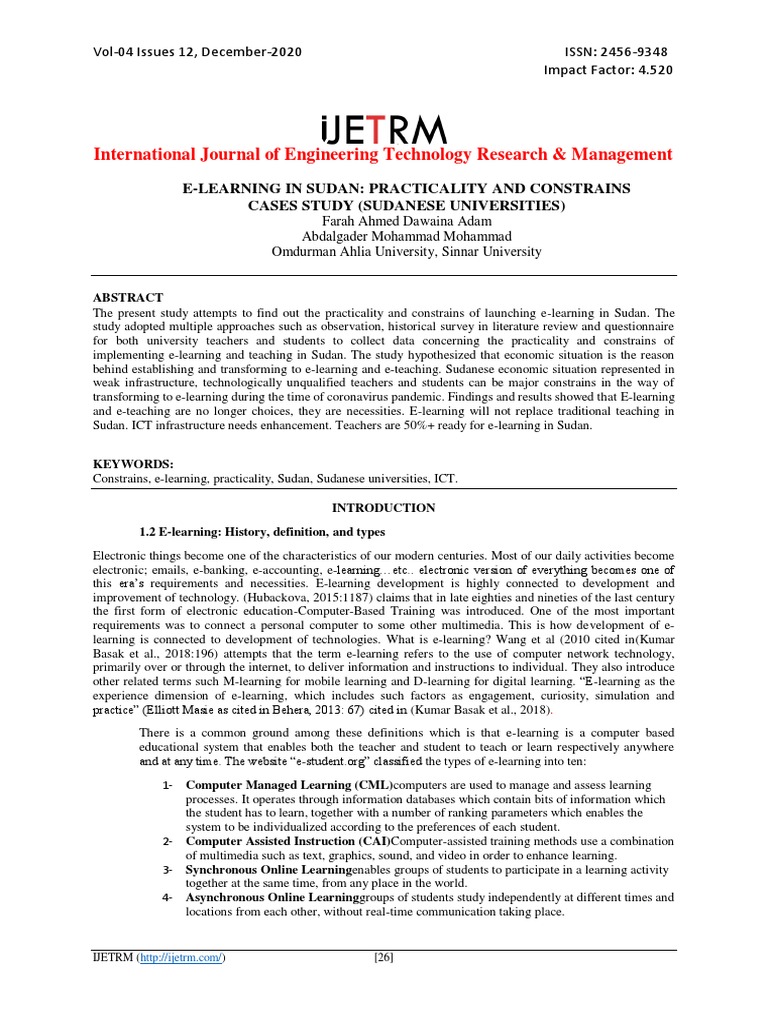
In an era where technology is paramount for development, a recent study from a prominent university sheds light on the status of tech skills in Sudan. This comprehensive report provides a multifaceted analysis of the current landscape, pinpoints critical gaps, and offers recommendations for enhancing digital literacy and engagement across the nation. Here’s an in-depth look at the key insights readers can glean from this landmark study.
1. Overview of the Tech Landscape in Sudan
The study meticulously maps out the technological environment in Sudan, illustrating the disparities in tech adoption and infrastructure. Notably, the analysis categorizes the nation’s tech capabilities into urban and rural segments, emphasizing the stark contrast. In urban centers, a burgeoning youth population displays a growing affinity for technology. Conversely, this enthusiasm is dampened in rural areas, where access to digital devices and reliable internet connectivity is severely limited.
2. Education and Digital Literacy
Central to the discourse is the education system in Sudan and its role in fostering digital literacy. The study delves into the curriculum of various educational institutions, examining whether tech skills are incorporated into training programs. It reveals a significant deficiency in government-supported initiatives aimed at integrating technology into classrooms. Furthermore, the report highlights the urgent need for teacher training programs to equip educators with the necessary skills to teach tech effectively, thereby enlightening a new generation of tech-savvy citizens.
3. Availability of Resources and Infrastructure
A focal point of the analysis is the availability of technological resources. The study meticulously categorizes the existing hardware and software resources available in educational and community settings. Furthermore, it discusses the implications of the unreliable power supply and internet connectivity on the overall tech ecosystem. The report paints a picture of a fractured infrastructure, where limitations hinder potential growth and innovation.
4. Youth Engagement and Employment Opportunities
The youth demographic emerges as a critical player in the tech narrative of Sudan. The study investigates how young people are engaging with technology and the implications this has for their employment prospects. With the rise of digital entrepreneurship and remote work opportunities, the study points out the dual-edged nature of tech skills: on one hand, they present immense potential for economic empowerment, while on the other, a lack of access to training exacerbates unemployment and underemployment challenges.
5. Gender Disparities in Tech Skills
Another crucial aspect explored in the study is the gender gap in technology. The report highlights the underrepresentation of women in tech fields, illustrating societal barriers that limit their access to education and employment in tech-driven roles. By presenting compelling data, the analysis urges stakeholders to implement targeted strategies aimed at closing this gender gap, thereby cultivating a more inclusive tech landscape.
6. Comparative Analysis with Neighboring Countries
A noteworthy segment of the study involves a comparative analysis of Sudan’s tech skills landscape with that of neighboring countries. This section is informative, as it contextualizes Sudan’s challenges and opportunities within a regional framework. The findings suggest that while other countries may face similar hurdles, innovative policy approaches and investment in technology infrastructure have facilitated more progressive developments in these nations.
7. Initiatives and Recommendations for Development
The culmination of the study invites a dialogue around future initiatives aimed at bolstering tech skills across Sudan. It lists actionable recommendations that include forming public-private partnerships to enhance tech education, increasing investment in internet infrastructure, and promoting community tech workshops. Each recommendation is backed by viable examples from around the globe, demonstrating the potential impact of similar initiatives when adapted to the Sudanese context.
8. Future Trends and Opportunities in Tech
Looking ahead, the study forecasts emerging trends that could shape the future of technology in Sudan. It emphasizes the importance of preparing for an evolving job market, particularly with the advent of artificial intelligence and machine learning. These insights not only inform educators and policymakers but also inspire hope for aspiring tech professionals in Sudan.
9. Conclusion: A Call to Action
In conclusion, this comprehensive study serves as a clarion call for collective action. By highlighting the prevailing gaps in tech skills while simultaneously showcasing immense potential, it encourages stakeholders—government, educational institutions, and private sectors—to collaborate in fostering a vibrant tech ecosystem. For Sudan to thrive in the digital age, concerted efforts towards enhancing tech education, infrastructure, and inclusivity in the tech workforce must be prioritized. The path forward may be fraught with challenges, but the opportunities that await are boundless.
The study encapsulates a moment of critical importance in Sudan, urging reflection and action, in a bid to reshape the trajectory of tech education and skills development in the country.