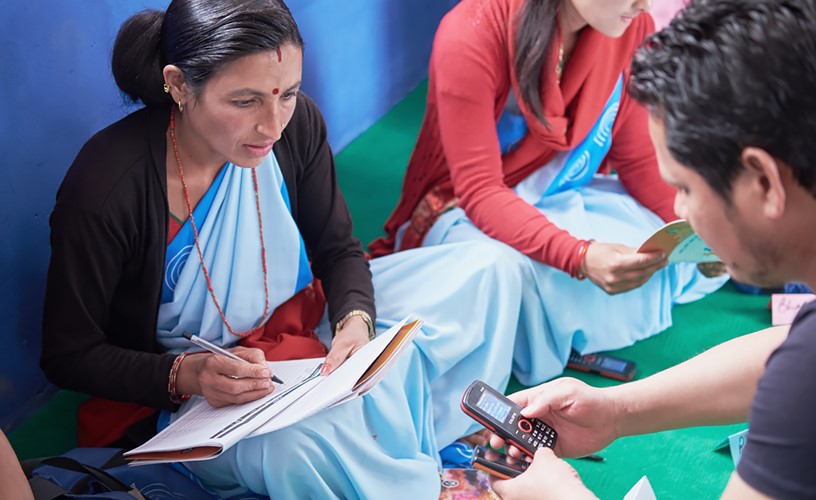
In an ever-evolving landscape where technology intersects with agriculture, Grameen’s Android app for farmers has emerged as a beacon of innovation. Designed to provide farmers with vital information and support for enhancing their productivity and sustainable practices, this application raises significant questions regarding its long-term sustainability. Here, we delve into two critical inquiries that encapsulate the essence of this technological endeavor: How does the app ensure continuous relevance and support for the farmer community, and what measures are in place to maintain its environmental and economic sustainability?
1. How Will the Grameen App Maintain its Relevance and Support for Farmers?
The first question addressing the sustainability of Grameen’s app revolves around its ability to remain relevant in an ever-changing agricultural landscape. As farming practices are heavily influenced by evolving environmental conditions, market demands, and technological advancements, the app must continuously adapt to meet the needs of its users.
To achieve this adaptability, the app employs a multifaceted approach, including regular updates that incorporate user feedback, advancements in agricultural research, and the integration of emerging technologies such as artificial intelligence (AI) and machine learning (ML). These technologies can enhance the app’s predictive capabilities, allowing it to offer tailored advice based on real-time weather data and market trends. For instance, if a drought is predicted, the app can suggest drought-resistant crops or optimized irrigation methods, thereby bolstering the farmer’s resilience.
Moreover, fostering a robust community around the app plays a pivotal role in sustaining its relevance. By facilitating forums and discussion groups within the application, farmers can share their experiences, challenges, and successful practices. This not only builds a support network among users but also generates valuable insights for the app developers, who can analyze these interactions to refine features and content. Creating an inclusive ecosystem encourages users to invest in the app, knowing it is designed with their direct input in mind.
Furthermore, partnerships with agricultural experts and institutions are crucial. By collaborating with agronomists and researchers, Grameen can continually enrich its content repository, ensuring that the practical knowledge imparted through the app is grounded in the latest scientific findings. This access to professional insights elevates the app from being merely a digital tool to a comprehensive resource for best practices in sustainable farming.
Integrating local languages and cultural nuances into the app not only enhances user accessibility but also ensures that the content resonates with a diverse farmer demographic. By recognizing the unique challenges faced by farmers in different regions—such as varying soil types, climatic conditions, and economic circumstances—the app can provide localized solutions, thereby increasing its utility.
Lastly, the efficacy of the app hinges on its user interface and overall user experience. A seamless, intuitive design will encourage continuous engagement, making it easier for farmers to access critical information swiftly. If farmers find the app cumbersome or challenging to navigate, they may abandon it in favor of traditional methods, jeopardizing its lasting impact.
2. What Measures Are in Place for Environmental and Economic Sustainability?
The second vital question concerning the sustainability of Grameen’s app pertains to the environmental and economic measures that support its longevity and positive impact. As agriculture is intrinsically linked to ecological health, the app must advocate practices that bolster both sustainable farming and economic viability for its users.
In terms of environmental stewardship, the app promotes sustainable agricultural practices that are crucial in mitigating climate change effects. It offers guidance on crop rotation, organic farming methods, and integrated pest management, all of which contribute to healthier soils and reduced chemical inputs. By educating farmers about sustainable practices, the app not only aids in the preservation of natural resources but also fosters a sense of stewardship among its users. This transformative approach encourages a shift towards practices that prioritize ecological balance.
Additionally, the app facilitates access to eco-friendly technologies, such as solar-powered irrigation systems and organic fertilizers. By providing vendors or linkage to subsidies for such technologies, Grameen empowers farmers to adopt innovative solutions that may have higher initial costs but yield significant long-term savings and environmental benefits.
On the economic sustainability front, the app’s design emphasizes enhancing farmers’ livelihoods through improved access to markets. By connecting farmers with local and online marketplaces, the application helps them secure better prices for their produce. Educating farmers about market trends enables them to make informed choices, optimizing their resources accordingly. The emphasis on economic success is crucial, as economically viable farming practices are more likely to be adopted and maintained over the long term.
Moreover, incorporating financial literacy modules within the app can equip farmers with the skills necessary to manage their finances effectively. Understanding concepts such as budgeting, savings, and investment can empower farmers to implement sustainable practices that may initially require capital investment but would be financially rewarding in the long run.
Finally, the sustainability of the app itself must be addressed in terms of funding and operational efficiency. Establishing a diversified funding model that includes government grants, nonprofit support, and potential revenue streams from premium features can help ensure ongoing development and maintenance. This diversified approach strengthens the app’s sustainability, safeguarding it from economic fluctuations that may impact agricultural funding.
In conclusion, Grameen’s Android app for farmers embodies an innovative approach to advancing agricultural practices. By critically examining the questions surrounding its relevance and sustainability, we can appreciate the complexity and potential of this digital solution as it navigates the challenges of modern agriculture. Only by continually adapting, engaging, and promoting both environmental and economic sustainability can the app leave an indelible mark on the farming community it aims to serve.