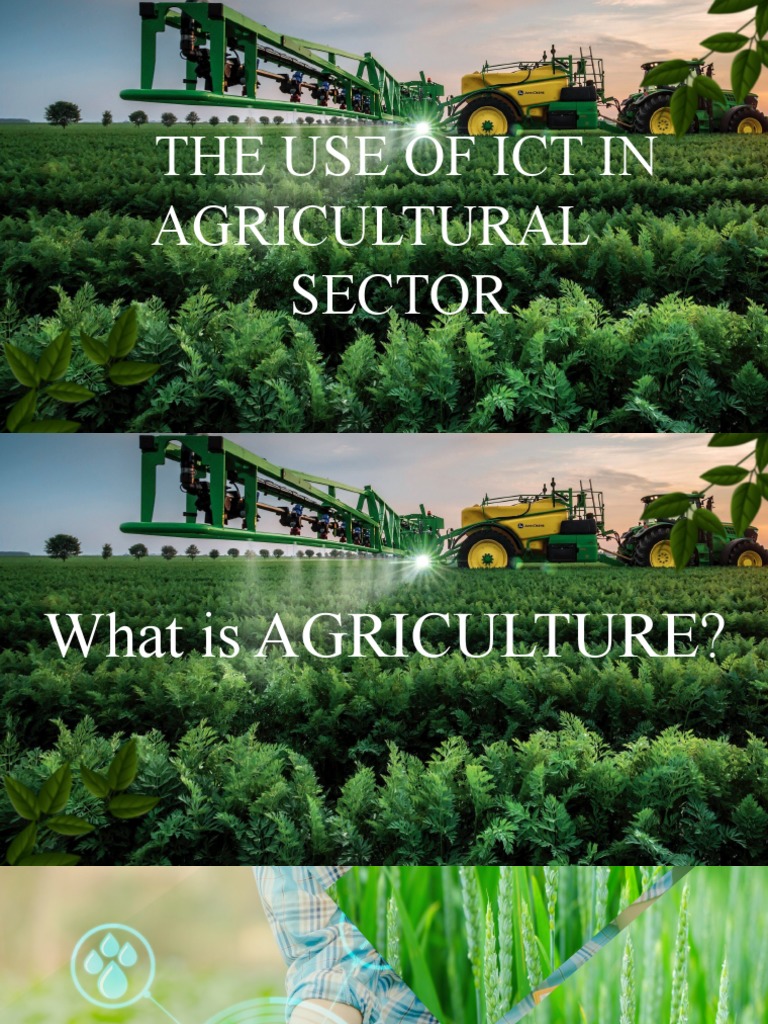
In the sprawling fields of rural landscapes, where the sun’s rays kiss the soil and life ebbs and flows with the seasons, a revolution is quietly taking place. Information and Communication Technologies (ICTs) are weaving their magic into the fabric of agricultural practices, particularly among women who have long been the backbone of rural economies. This article explores how ICTs are reshaping the agricultural landscape, empowering rural women, and promising a shift in perspective that piques curiosity about their transformative potential.
Traditionally, rural women have been relegated to the roles of caretakers and subsistence farmers, often lacking access to resources, education, and markets. However, through the advent of ICTs, a new narrative is emerging. These technologies—ranging from mobile apps to online marketplaces—are arming women with the tools needed for sustainable agricultural practices, ultimately redefining their roles within their communities.
The Role of ICTs in Agricultural Empowerment
At the heart of this agricultural transformation lies the internet and mobile technology. By accessing vital information, rural women are becoming adept at navigating the complexities of modern agriculture. For instance, mobile applications provide timely climate forecasts, pest management tips, and best practices for crop rotation. This wealth of information enables women to optimize their yields and contribute significantly to food security.
Moreover, ICTs offer platforms for learning and collaboration. Women can join online forums and social media groups tailored to agricultural discussions, providing a space for the exchange of ideas and strategies. These virtual communities foster a sense of unity and enable women to share best practices, thus enhancing their agricultural knowledge base.
Access to Markets and Financial Resources
The digital realm also opens doors to market access, a crucial factor for any aspiring entrepreneur. With mobile technology, women can connect directly with consumers, bypassing traditional market barriers and diminishing the need for middlemen who often take advantage of their limited bargaining power. For example, women can sell their produce via e-commerce platforms, ensuring they receive fair prices for their hard work.
Furthermore, ICTs facilitate access to financial resources. Mobile banking and microfinance applications allow rural women to secure loans and manage their finances more effectively. This financial independence is not merely a matter of convenience; it serves as a catalyst for women to invest in better seeds, tools, and training, creating a ripple effect that uplifts entire communities.
Bridging Educational Gaps
Education is a cornerstone of empowerment, and ICTs are breaking down entrenched barriers to knowledge acquisition. Through online courses and digital literacy programs, rural women are able to gain essential agricultural skills. These educational initiatives not only enhance their farming techniques but also bolster their confidence and leadership abilities, equipping them to take on broader roles within their communities.
As women become more educated, they are also more likely to advocate for sustainable farming practices and environmental stewardship. This newfound knowledge ignites a passion for innovation, enabling women to experiment with organic farming methods and permaculture, which are less detrimental to the environment.
A Shift in Perspective
Perhaps one of the most compelling outcomes of integrating ICTs in agriculture is the shift in societal attitudes towards rural women. No longer viewed solely as homemakers or passive contributors, these women are emerging as vital players in the agricultural economy. Their expanded roles challenge deeply ingrained stereotypes, prompting a reevaluation of gender dynamics within rural settings.
This paradigm shift reverberates beyond agriculture. As women gain recognition as farmers and entrepreneurs, their autonomy and decision-making power increase, fostering a more equitable society. This transition is vital for community development; studies have consistently shown that empowering women leads to improved health, education, and economic outcomes.
Challenges Ahead
Conclusion
The intersection of ICTs and rural women in agriculture is a rich tapestry woven with threads of empowerment, innovation, and transformation. As these women harness technology to enhance their productivity and redefine societal roles, they exemplify resilience and ingenuity. The magic of ICTs opens new horizons, creating a more inclusive agricultural sector that not only benefits women but also strengthens entire communities. The journey is ongoing, yet the promise of a thriving future for rural women resonates with an undeniable allure—an invitation to witness the unfolding magic.