The digital divide remains a pressing issue, particularly for women in developing regions who often lack access to critical information and communication technologies (ICT). Telecenters, as community hubs equipped with technological tools, offer a promising solution to bridge this gap. Coupled with tailored training materials, they can substantially uplift women’s ICT literacy, fostering empowerment and offering new avenues for personal and professional growth.
The Role of Telecenters
Telecenters serve not merely as access points to computers and the internet but as vibrant community resources. These centers provide women with the necessary infrastructure to engage with various digital platforms, thereby catalyzing a radical shift in the way they interact with technology. In regions where internet access is limited, telecenters emerge as crucial lifelines, democratizing information access and technological proficiency. The ambiance of telecenters is often characterized by inclusivity; they are spaces designed to encourage participation, networking, and skill development among women, ultimately dissipating the shadows of gender disparity in ICT.
Creating a Supportive Environment
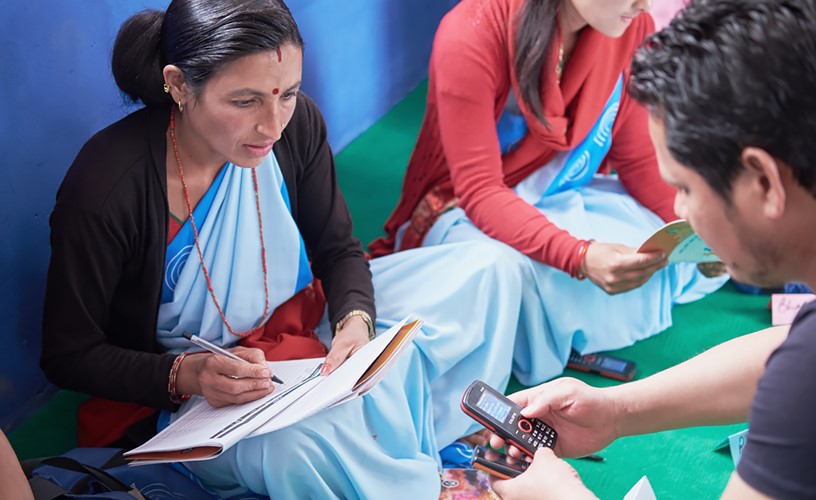
One of the defining features of effective telecenters is their creation of a supportive environment. Here, women are not merely passive consumers of technology; they become active participants in their learning journeys. This supportive milieu is facilitated by trained staff who understand the unique challenges women face in navigating ICT. They offer guided tutorials, workshops, and one-on-one coaching, ensuring that each woman receives personalized assistance tailored to her skill level and interests. As women begin to conquer their initial hesitations and attain familiarity with technology, they often discover a newfound confidence that serves as a springboard for further exploration.
Customized Training Materials
The effectiveness of telecenters is amplified by specially designed training materials that cater to the learning styles and needs of women. These materials encompass a diverse array of formats, including manuals, online tutorials, videos, and interactive workshops. Creating contextually relevant content is paramount; training resources should resonate with the cultural backgrounds, languages, and daily challenges faced by women in their specific contexts. This relatability fosters engagement and paves the way for learners to grasp intricate technological concepts with ease.
Moreover, innovative gamification techniques can be integrated into training materials. By transforming daunting topics into engaging activities and challenges, women can explore ICT in a manner that feels less intimidating and more enjoyable. Gamification not only facilitates comprehension but also encourages collaboration, as participants often work in teams to solve problems and achieve mutual goals.
Fostering Digital Entrepreneurship
Empowering women with ICT literacy has profound implications for economic development. As they become proficient in utilizing technology, many women begin to explore avenues for digital entrepreneurship. Telecenters can host entrepreneurial workshops that teach essential skills such as e-commerce, social media marketing, and online customer service. With guidance on establishing online businesses, women can leverage their newly acquired digital skills to gain economic independence. This transformation is not only significant on an individual level but reverberates throughout communities, as women reinvest their earnings into local economies.
Encouraging Community Networking
Telecenters are also instrumental in fostering a robust network of women who can share resources, knowledge, and experiences. Creating peer-to-peer networks enhances the learning experience and cultivates a sense of belonging among women. These connections become invaluable as they navigate the digital landscape. The community bonds formed at telecenters transcend mere technological training; they evolve into support systems that women can rely on as they undertake new ventures or seek solutions to common challenges.
Promoting Lifelong Learning
The foundational skills acquired through telecenter training serve as a platform for lifelong learning. As technology evolves at a breakneck pace, the importance of continuous education cannot be overstated. Telecenters can evolve into learning hubs that offer ongoing training on emerging technologies, ensuring women remain conversant with the latest advancements. This emphasis on lifelong learning equips women to adapt and thrive in an ever-changing digital landscape, making them more resilient in the face of future challenges.
The Ripple Effect
The impacts of improved ICT literacy extend beyond individual women; they create a ripple effect within families and communities. Women who attain digital literacy often act as catalysts for change, sharing their newfound knowledge with children, partners, and neighbors. This phenomenon has the potential to transform the entire community’s relationship with technology. As women advocate for digital literacy, there’s a collective shift that elevates the community’s awareness and appreciation of the digital world, breaking down longstanding barriers rooted in societal norms and expectations.
Conclusion
The integration of telecenters and thoughtfully developed training materials stands as a beacon of hope for improving women’s ICT literacy. These initiatives promise not just to equip women with essential technological skills but to reshape societal perceptions about women’s roles in the digital age. By investing in telecenters and prioritizing tailored training, communities can ignite a transformation that empowers women, fosters economic growth, and cultivates a culture of innovation and learning. The possibilities are boundless, and the time to act is now.