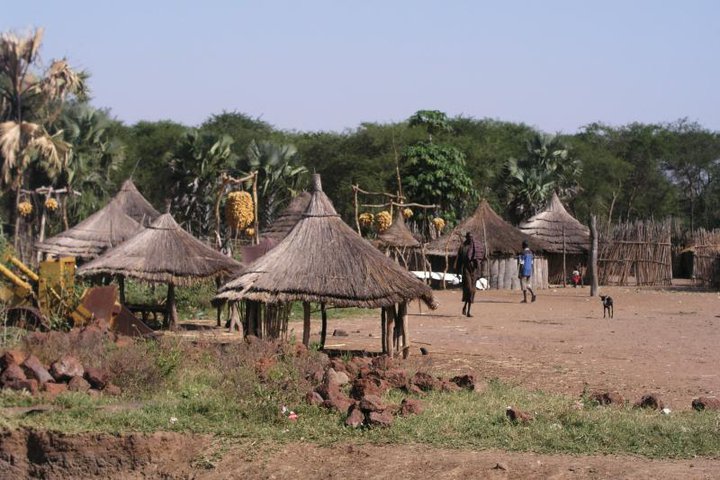
In a tapestry woven with the threads of resilience, South Sudan finds itself at a pivotal juncture. Millions of its citizens, as if newly awakened from a long slumber, embark on a migration back to their homeland, transported by a fervent yearning for the familiar. This intricate tapestry, however, is stitched against a canvas of delicate environmental challenges that pose both a threat and an opportunity.
As families traverse tumultuous terrains, their journey is reminiscent of a river winding through a lush valley—both unpredictable and beautiful. Yet, the landscape they return to is far from the idyllic paradise they may have envisioned. South Sudan, with its sprawling wetlands and verdant savannahs, has always been defined by its natural beauty. Yet, beneath the surface lies a fragility that has been exacerbated by years of conflict and instability.
The lore of the land tells stories of ancient migrations, where communities would flow like streams into valleys rich with resources. Today, that story unfolds once more, but this time, a new narrative intertwines: climate change and environmental degradation. Farmers—those tireless stewards of the soil—have found themselves grappling with erratic weather patterns. Increasingly, the rains they depend on have become capricious, leading to devastating floods one season, and withering droughts the next.
This juxtaposition of abundance and scarcity creates a delicate balance, akin to a tightrope walker finding stability in an unstable world. As families journey home, they’re faced with the challenge of reclaiming not just their land, but also their livelihoods. Agriculture, once the bedrock of their existence, now dances on the precipice of uncertainty. The fertile fields that once yielded bountiful harvests are now fraught with challenges, urging communities to adapt or falter.
However, the return to South Sudan also unveils glimmers of hope, much like the morning sun piercing through a veil of clouds. The government, alongside various international organizations, is striving to implement sustainable practices that honor the land’s innate biodiversity. These initiatives aim to restore the natural balance, allowing communities to engage in responsible farming that echoes the harmonious rhythms of nature.
Moreover, the arrival of these returning citizens is like the arrival of spring after a long, harsh winter. The influx can invigorate local economies, breathing life into dormant markets and fostering a spirit of innovation among community members. The returnees possess not only skills honed abroad but also a renewed commitment to their homeland, igniting a collective endeavor to rebuild from the ashes of conflict.
Yet, as they tread this path toward revitalization, the specter of deforestation looms large. Tree cover, once a verdant shield guarding the ecosystem, has dwindled under the weight of need and neglect. For many, wood serves as the primary source of energy and construction material, leading to an environmental crisis. If tree harvests continue unabated, the very soil that nurtures crops and sustains families could succumb to erosion, leaving desolation in its wake.
To address this multifaceted crisis, communities are being encouraged to adopt agroforestry practices—an enchanting synthesis of agriculture and forestry. This ancient practice not only replenishes tree cover but also enhances soil fertility, creating a symbiotic relationship between trees and crops. It is an ecological dance that, if mastered, holds the potential to restore the landscape to its former glory.
Yet, this journey is not merely about sowing seeds in the soil; it’s also about planting seeds of peace among communities long divided by conflict. The returnees, with their myriad stories and experiences, possess the tools to bridge divides, igniting dialogue that fosters reconciliation. As they come together, they can build an inclusive culture that cherishes diversity while sowing unity.
However, navigating this new chapter is akin to traversing a labyrinth. Unforeseen challenges—political unrest, entrenched poverty, and infrastructural weaknesses—continue to impede progress. Each obstacle can feel like a towering wall, but with determination and cooperation, these barriers can be dismantled. The people of South Sudan are storytellers, weaving the narratives of their struggles into a collective tale of tenacity and hope.
As South Sudan embarks on this renaissance, each returning citizen represents a vital thread in the tapestry of its future. The interplay of human resolve, natural beauty, and environmental stewardship could blossom into a landscape of resilience, where old adversities transform into opportunities for regeneration. The delicate environment that cradles their homes offers both challenges and gifts—if only they are met with wisdom and respect.
In summation, the millions who trek home to South Sudan are not merely returning; they are embarking on a transformative journey, poised at the intersection of past memories and future potential. Each step taken is a testament to their unwavering spirit, one that can, in time, harmonize the fragile intricacies of their environment with the dreams they hold for a more prosperous tomorrow. Like a phoenix rising from the ashes, South Sudan is on the cusp of rebirth—an opportunity to create a legacy rich in harmony, sustainability, and shared identity.