In the realm of renewable energy, solar power looms large as a beacon of hope—an unfaltering sun amid a gathering storm of climate change and environmental degradation. Yet, with its luminous allure comes a pair of formidable challenges: sizing and support. Solving these twin enigmas is akin to weaving a tapestry; each thread—carefully chosen—determines the overall beauty and functionality of the creation. Let us unravel this intricate fabric to illuminate how solar energy can appropriately respond to its own paradoxes.
The Art of Sizing: Balancing Efficiency and Demand
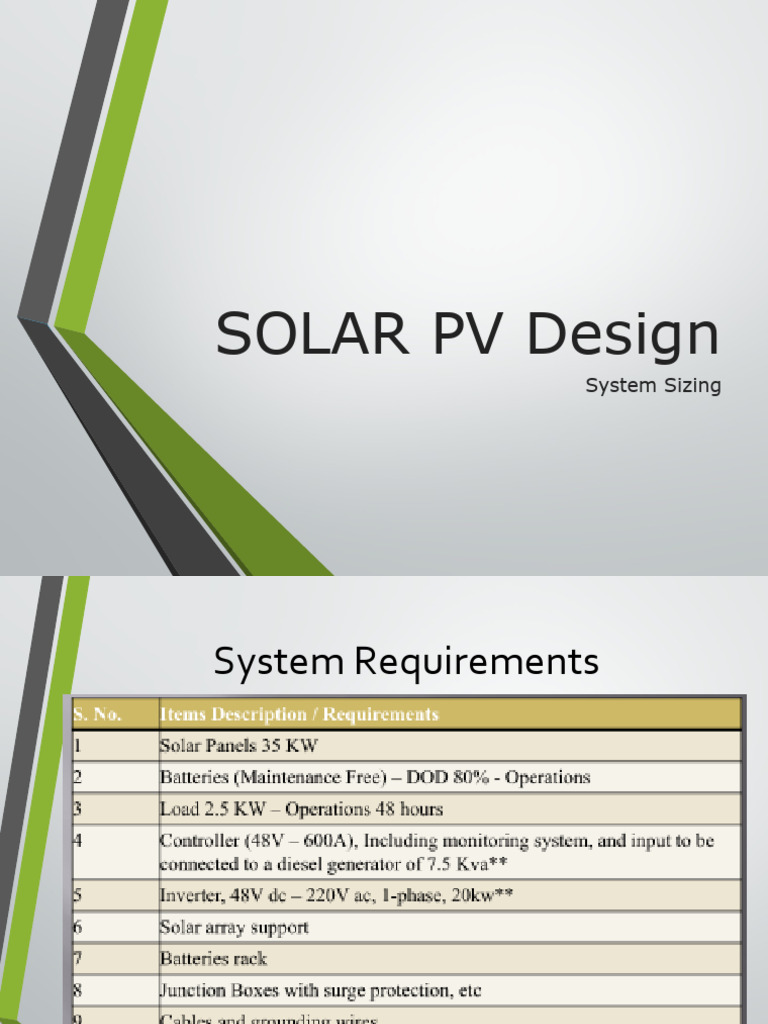
Imagining solar panels as musical instruments provides a fitting metaphor for the sizing conundrum. Just as each instrument contributes to a harmonious symphony, solar panels must align in number and capacity with energy demands. This duet of dimensions involves intricate calculations that take into account various factors such as energy consumption patterns, geographic location, and climatic conditions.
Finding the sweet spot for solar system sizing is an elaborate dance. On one hand, undersizing can lead to inadequate energy supply, leaving homeowners and businesses grasping at shadows when they need power the most. On the other hand, oversizing leads to excessive costs—like a grand piano where a simple flute would do. The ideal scenario lies in meticulous evaluation, often relying on tools such as solar energy calculators that can provide insight into optimal system dimensions. Utilizing advanced predictive algorithms, these calculators take hourly energy consumption into account, weaving together historical data and forecasted weather patterns.
Moreover, the dynamic landscape of energy consumption—characterized by peaks during certain times of the day—poses additional challenges. Net metering, which allows for the sale of excess electricity back to the grid, adds yet another layer of complexity to sizing decisions. Here lies the crux: the solar system must be robust enough to harness the sun’s rays during peak hours while maintaining efficiency when the demand is lower.
Support Structures: The Backbone of Solar Installations
Just as a coral reef provides a vital habitat for myriad marine species, the support structures for solar panels serve as their foundation, ensuring they stand resilient against the elements. These frameworks can vary significantly based on the type of installation—rooftop, ground-mounted, or solar farms—each presenting its own set of challenges.
Rooftop installations, while space-efficient, are often hampered by architectural constraints: sloped roofs, varying materials, and potential shading from nearby structures. Ground-mounted setups, on the other hand, can be meticulously engineered to optimize exposure to sunlight, yet they require substantial land use, which can lead to conflicts with agricultural or developmental needs.
The engineering behind support structures is a dance of physics and aesthetics. Durability is paramount; solar panels must endure high winds, snowfall, and temperature fluctuations without compromising functionality or safety. Innovative designs employ materials like aluminum and galvanized steel to create lightweight yet robust racks. The inclusion of adjustable tilt mechanisms adds a layer of versatility, allowing solar panels to absorb sunlight more efficiently throughout the seasons.
Integration of smart technologies, such as sensors that track sun movement, can transform a conventional support structure into a kinetic marvel. This transformative approach enhances energy capture, creating a symbiotic relationship between technology and nature. In this regard, the support structures become more than just physical entities; they embody the spirit of innovation, compelling society to rethink its approach to energy.
The Interplay of Sizing and Support: A Holistic Approach
As the dimensions of solar power installations expand, the relationship between sizing and support structures emerges as a crucial dialogue. Each aspect influences the other, requiring a holistic approach that embraces ingenuity. It’s akin to conducting an orchestra where the conductor must ensure that the violins and cellos are not only in tune but also in harmony with the percussion’s tempo.
Designers and engineers must collaborate to create a coherent system that anticipates the nuances of both sizing and support. By leveraging computational design tools and advanced modeling software, they can simulate energy production, factoring in the trajectory of the sun and potential site obstructions. This intelligent interplay can culminate in innovative solutions, such as bifacial solar panels, which capture sunlight from both sides, mitigating potential losses caused by suboptimal sizing.
Furthermore, understanding geographical and environmental conditions—like extreme weather patterns or terrain types—can yield insights into how systems should be configured. In some regions, where harsh winds prevail, lower-profile mounting systems may be favored to enhance stability. In contrast, other locales may benefit from elevated frameworks that allow for vegetation beneath, creating a dual benefit of energy generation and land preservation.
The Future of Solar: A Confluence of Challenges and Solutions
Ultimately, the journey of solar power is a testament to human ingenuity in the face of adversity. It exemplifies the relentless pursuit of sustainable solutions to pressing global issues. As the industry evolves, advances in technology will continue to refine our approaches to the dual challenges of sizing and support.
Incorporating artificial intelligence for predictive analytics or deploying drones for real-time monitoring can propel efforts to enhance both the efficiency of energy capture and the durability of support structures, leading to synergies that were once inconceivable. As the sun plows inexorably across the horizon, so too does the promise of solar energy expand, embodying not merely an energy source but a relentless, radiant commitment to a sustainable future.