In a world where digital connectivity defines so much of our daily lives, one might wonder: can the humble cell phone be a beacon of hope in the battle against famine? Imagine a situation where smartphones, particularly models like those from Shah, serve not only as communication devices but as instruments of relief and sustenance. The idea sounds rather audacious, yet it invites a deeper exploration of how technology can intersect with humanitarian efforts in unexpected ways.
Famine is a stark reality, affecting millions of people globally. It is not just the absence of food but a culmination of social, economic, and political failures. The devastation wrought by famine leads to malnutrition, disease, and death. How can we leverage the ubiquitous nature of cell phones to counteract this dire situation? Shah cell phones, with their affordability and accessibility, represent an intriguing solution. They offer several exciting possibilities for famine relief, as we delve into this discussion.
1. Information Dissemination
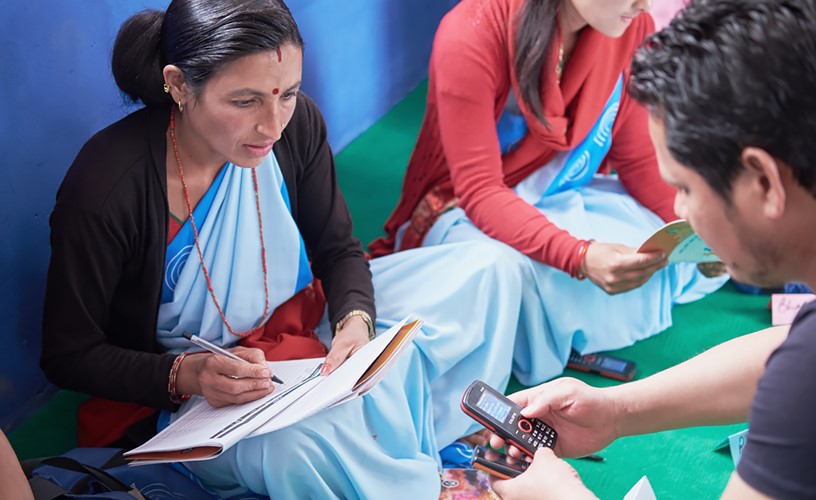
One of the foundational elements of famine relief is the swift and efficient dissemination of information. In many regions afflicted by famine, a lack of awareness about available resources can exacerbate the crisis. Shah cell phones, equipped with internet access, can serve as vital conduits for sharing critical information. From updates on food distribution centers to health resources and agricultural advice, these devices can connect affected populations to essential services. Imagine a farmer in a remote village receiving instant alerts about food supplies or nutritional guides through an app on their Shah phone, thus allowing them to make informed decisions for their families.
2. Connecting Farmers to Markets
Smallholder farmers often struggle to find markets for their produce, leading to wasted resources and food that never reaches those in need. Shah cell phones can bridge this gap by enabling farmers to connect directly with buyers. Mobile apps can facilitate this by providing a platform for farmers to advertise their goods, thus ensuring that surplus food reaches those who need it most. By fostering direct trade, the reliance on middlemen is diminished, potentially leading to a fairer distribution of food and income. However, could the influx of smartphone technology disrupt traditional farming practices? This is a challenge that would need careful consideration.
3. Crowdsourcing Support
In an age where social media reigns supreme, Shah cell phones can harness the power of crowdsourcing to rally support in times of famine. Communities, NGOs, and individuals can use these devices to create awareness campaigns, fundraisers, and food drives. Social networks could amplify their messages, mobilizing resources from around the globe to those languishing in food insecurity. Yet, the challenge lies in ensuring that these efforts translate into tangible support on the ground. How can we guarantee that funds raised reach their intended recipients transparently and efficiently?
4. Monitoring Crop Yields
An essential aspect of preventing famine lies in proactive measures, chief among them being effective agricultural practices. Shah cell phones, equipped with agricultural apps, can assist farmers in monitoring crop health, weather patterns, and soil conditions. By providing local farmers with valuable data analytics, these phones may empower them to adapt their strategies in real-time. But will farmers have the literacy and technical know-how to utilize such resources fully? This poses a significant challenge that extends beyond technology — it requires education and training.
5. Collaborating with NGOs
Partnerships between governments, NGOs, and tech companies can amplify the efficacy of famine relief efforts. Shah cell phones could be integrated into systems managed by these organizations to track assistance programs, distribute resources, and facilitate communication among stakeholders. For instance, a centralized system where donors can see where their contributions go could foster trust and encourage more people to get involved. However, this raises the question: how do we ensure that these collaborations work harmoniously without falling prey to bureaucratic inefficiencies?
6. Fostering Education and Skill Development
Shah cell phones can play a transformative role in education, particularly in regions plagued by famine. Educational applications can provide training on sustainable farming techniques, nutrition awareness, and health education. These tools allow individuals to improve their agricultural output and make better dietary choices for their families, potentially staving off future famines. Still, the challenge remains: what is the best way to ensure that these resources reach the most vulnerable populations? A concerted effort would be necessary to overcome geographical and cultural barriers.
7. Innovating Agricultural Solutions
Finally, Shah cell phones can act as a catalyst for innovation in agriculture. By facilitating easy access to research on sustainable practices, mobile technology could inspire new techniques that increase resilience against climate-related challenges. Crowdsourced data analytics can provide insights into climate patterns, enabling farmers to adapt practices to minimize losses. Yet, this prospect raises another question: how do we ensure that innovations are ethical and culturally appropriate for the communities they serve?
In conclusion, while the concept of using Shah cell phones as instruments for famine relief presents several compelling possibilities, it is not without its challenges. Nevertheless, exploring these intersections invites a hopeful vision for integrating technology with humanitarian relief. As we contemplate this fusion, there is a profound reminder: it is through unity and innovative thinking that we can dream of a world where famine becomes a recollection of the past rather than an ongoing crisis. Could Shah cell phones, then, be the spark that ignites this change?