In recent years, the landscape of agriculture in Uganda has been undergoing a transformative shift, particularly in the realm of rural women farmers. These women are increasingly harnessing the potential of Information and Communication Technologies (ICTs) to enhance their farming practices, improve productivity, and climb the socioeconomic ladder. This article chronicles various dimensions of ICT adoption among rural women farmers in Uganda, exploring the different types of content readers can expect under this intriguing theme.
The Emergence of ICTs in Agriculture
The integration of ICTs into agriculture has enabled a modern approach to farming, shifting from traditional methods to more innovative practices. Telecommunication networks, mobile applications, and digital platforms have emerged as vital tools for information dissemination. For many rural women farmers in Uganda, these technologies have become lifelines, providing access to real-time data that can inform decisions about crop management, market trends, and environmental factors.
Access to Information and Resources
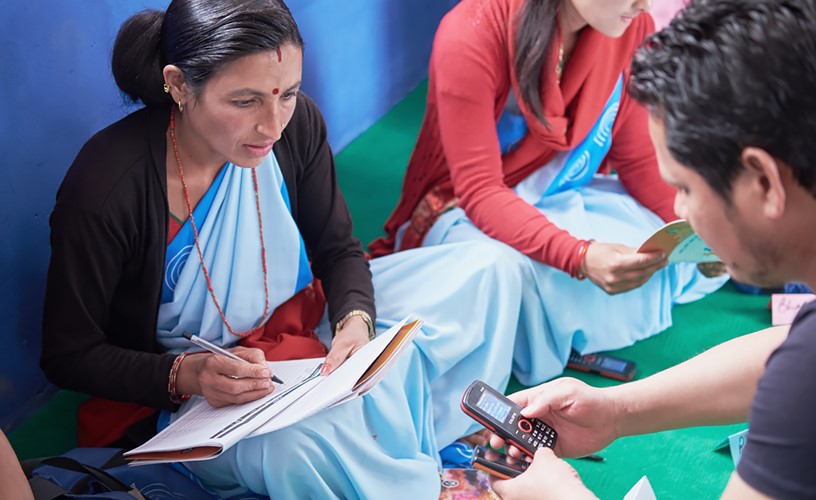
One significant advantage that ICTs afford rural women farmers is access to a wealth of information. Mobile applications like SMS-based services enable users to receive timely alerts regarding weather changes, pest management, and best agricultural practices. Additionally, online forums and social media groups empower women to share experiences and tips, fostering a sense of community and collective growth. By leveraging these resources, farmers can make informed choices that directly impact their yield and sustainability.
Financial Inclusion Through Mobile Banking
Financial literacy and inclusion are crucial for sustainable farming operations. Many rural women in Uganda have adopted mobile banking platforms, which offer a secure and convenient way to save, access credit, and manage financial transactions. With these digital services, women can transact directly from their mobile phones, eliminating the barriers that traditional banking often presents. This level of financial agency enables them to invest in quality seeds, fertilizers, and equipment, ultimately leading to improved agricultural output and economic stability.
Market Access and E-Commerce Opportunities
ICTs play a pivotal role in connecting farmers directly to local and international markets. E-commerce platforms allow rural women to showcase their products beyond their immediate geographical confines. By utilizing social media, they can market their produce effectively, coordinate logistics for delivery, and negotiate better prices with buyers. This newfound ability to access broader markets enhances their profitability and reduces dependency on middlemen who often exploit their lack of bargaining power.
Training and Capacity Building
With the rise of technology, various NGOs and agricultural organizations are leveraging ICT platforms to provide training programs tailored for rural women farmers. Online webinars, instructional videos, and virtual workshops have made it possible for these women to enhance their skills in diverse areas such as sustainable farming techniques, pest control, and agribusiness management. Improved knowledge leads to better decision-making, increased efficiency, and ultimately higher productivity.
Networking and Collaboration Through ICTs
ICTs have broken down geographical barriers, allowing rural women farmers to network with one another across regions. Through platforms that facilitate collaborative projects and group ventures, these women can share resources, knowledge, and even labor. The collaborative spirit reinforces community ties and cultivates resilience against the challenges posed by external pressures, such as climate change and economic fluctuations. This synergy significantly enhances their ability to navigate difficulties and find innovative solutions.
Challenges and Barriers to ICT Adoption
Despite the numerous benefits, the journey toward ICT adoption is fraught with challenges. Access to reliable electricity and internet connectivity remains a significant hurdle, particularly in remote areas. Additionally, literacy levels and technological know-how can be limiting factors for many women. Cultural norms and gender biases may further exacerbate the divide, preventing equal access and participation. Hence, there is a vital need for targeted initiatives that address these barriers head-on.
Government and Institutional Support
To bolster the use of ICTs among rural women farmers, support from government and non-governmental organizations is essential. Policies that advocate for gender equality in technology access, alongside investments in technological infrastructure, can foster a conducive environment for ICT adoption. Furthermore, targeted programs aimed at educating women about ICT tools will empower them to embrace technology in ways that are relevant to their needs and circumstances.
The Future Outlook for Rural Women Farmers
The increasing use of ICTs among rural women farmers in Uganda heralds a promising future for agricultural productivity and empowerment. As these women continue to innovate and adapt to technological advancements, it is crucial that support systems evolve to keep pace. With concerted efforts from all stakeholders—government, NGOs, and the private sector—these farmers can not only enhance their livelihoods but also sustain the agricultural sector in Uganda. Ultimately, the narrative of rural women farmers is one of resilience, adaptability, and transformative growth, driven by the power of technology.
Conclusion
The journey for rural women farmers in Uganda, adorned with the utilization of ICTs, represents a remarkable evolution in the agricultural arena. Embracing technology is not just about better farming practices; it is about agency, empowerment, and the ability to shape their destinies in an ever-changing world. As this trend continues to grow, it holds the potential to not only uplift individual lives but also contribute significantly to the broader economy of Uganda.