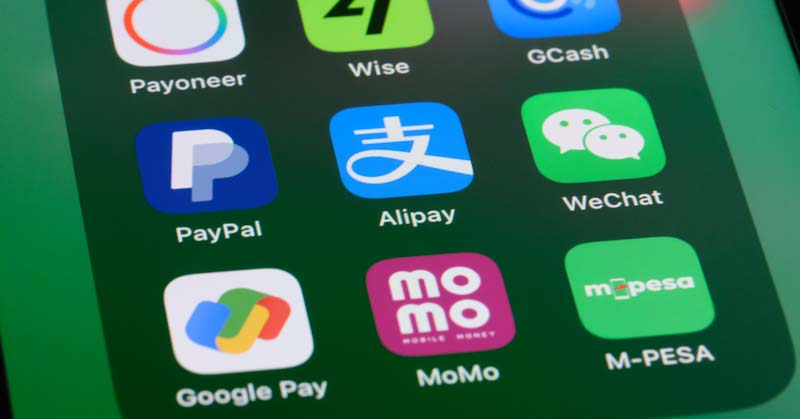
In the ever-evolving landscape of finance, mobile money has emerged as a catalyst of change, breaking down barriers and redefining access to economic empowerment. While M-Pesa carved a formidable path, the industry now finds itself at the precipice of an exhilarating era characterized by innovative alternatives and advancements. This exploration delves into the recent innovations that are reshaping the realm of mobile money, transcending the foundational framework established by M-Pesa.
1. The Rise of Digital Wallets: Your Pocket Bank
Digital wallets have burgeoned, metamorphosing into miniature banks nestled in consumers’ pockets. Applications such as Apple Pay, Google Wallet, and Samsung Pay exemplify this shift, enabling users to execute transactions with a mere tap. Cryptic yet comforting, these wallets integrate advanced encryption and biometric security, ensuring a safe passage through the digital marketplace. Consequently, users gain a sense of omnipotence, effortlessly engaging in commerce while keeping their financial data secure.
2. Blockchain and Decentralization: The New Vanguard
The advent of blockchain technology has been nothing short of revolutionary. Acting as a decentralized ledger, it dismantles the traditional banking model by allowing peer-to-peer transactions without the intercession of financial intermediaries. Initiatives like Stellar and Ripple are leveraging this omnipresent technology to facilitate international remittances with unprecedented speed and minimal fees. This innovation not only enhances transaction efficiency but also democratizes finance, making it accessible to the unbanked populace worldwide.
3. NFTs and Tokenization: New Currency Expression
The realm of mobile money has also embraced non-fungible tokens (NFTs) as a groundbreaking innovation. With the capacity to tokenize real-world assets—from art to real estate—these digital certificates augment value in ways previously unfathomable. Platforms enabling users to buy, sell, or trade NFTs establish new marketplaces where virtual and tangible currencies intertwine. This transformative approach captures the imagination, inviting individuals to conceptualize wealth through diverse prisms.
4. Contactless Payments: Tap into the Future
The proliferation of contactless payment systems signifies a remarkable leap in the convenience factor of mobile money. By simply waving a card or smartphone over a terminal, transactions are executed almost instantaneously. This method reduces friction in the checkout process, appealing particularly to the on-the-go consumer. The continuous development of near-field communication (NFC) technology propels this trend forward, making cash obsolete and revolutionizing personal finance dynamics.
5. AI and Predictive Analytics: The Financial Oracle
Artificial intelligence (AI) is becoming a pivotal player in the mobile money ecosystem, with its predictive analytics capabilities enabling financial institutions to tailor their services to individual consumer needs. By analyzing spending patterns, AI algorithms can forecast future expenditures, offering insights that empower users to make informed decisions. This bespoke financial advisory, long relegated to the privileged elite, now pervades the masses, representing a quintessential democratization of expertise.
6. Integration with Social Media Platforms: Banking on Connection
The integration of mobile money platforms with social media has yielded a unique symbiosis that capitalizes on user connectivity. Applications like Facebook Pay and the impending integration of PayPal into social platforms illustrate this innovative melding of social engagement with financial transactions. As users share experiences and foster relationships, they can also transact seamlessly, transforming social media into not just a network but a bustling marketplace.
7. Micropayments and Subscriptions: Small Transactions, Big Ideas
Furthermore, the rise of micropayment systems allows users to make trivial transactions without navigating the complexities of traditional banking fees. Services like Patreon enable creators to monetize their content effortlessly, allowing fans to pay as little as a dollar in support. This system epitomizes the democratic ethos of mobile money; every individual can partake in economic exchanges, fostering creativity and innovation in niche markets.
8. Financial Inclusion Initiatives: Bridging the Divide
Innovative mobile money models also prioritize financial inclusion, addressing the gaps left by traditional banking systems. Platforms like Wave and WorldRemit are tailored to the unique needs of underserved communities, facilitating transactions that promote economic activity in remote locales. By recognizing the value of every transaction, these initiatives empower the economically marginalized, ushering in an era characterized by equity and opportunity.
9. Improved Regulation and Security Measures: Fortifying Trust
As mobile money continues its ascendance, enhanced regulatory frameworks and security measures are crucial for preserving user trust. Governments and financial institutions worldwide are collaborating to establish transparent regulations while employing machine learning tools to mitigate fraud. With stringent security protocols in place, consumers are encouraged to engage more freely with mobile money services, solidifying their footing in this burgeoning ecosystem.
10. Conclusion: The Journey Ahead
The innovations transcending the M-Pesa model signify a transformative juncture in the mobile money narrative. Each new advance—be it through blockchain decentralization, the allure of NFTs, or the integration of social engagement—ignites a spark of curiosity and excitement for what lies ahead. As technology forges ahead, there remains an inherent responsibility to ensure that these advancements foster inclusivity and accessibility, echoing the foundational ideals that propelled mobile money into the limelight. It is an exhilarating time for financial evolution, with the promise of a digitally empowered economy shimmering on the horizon.