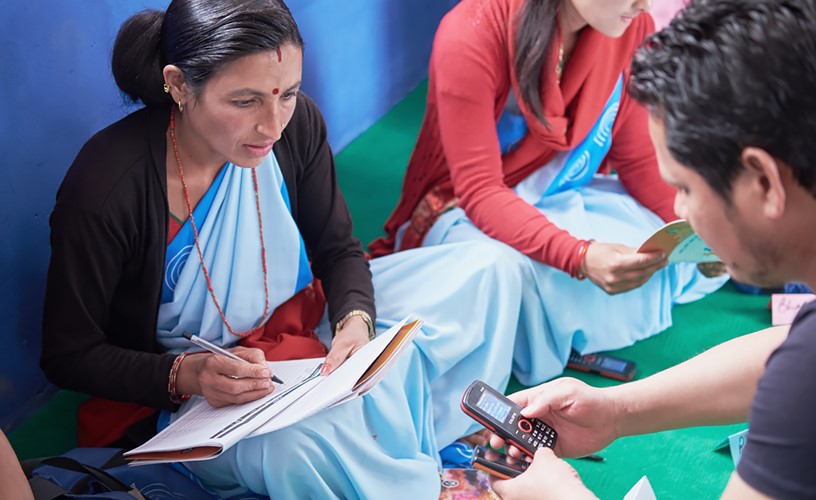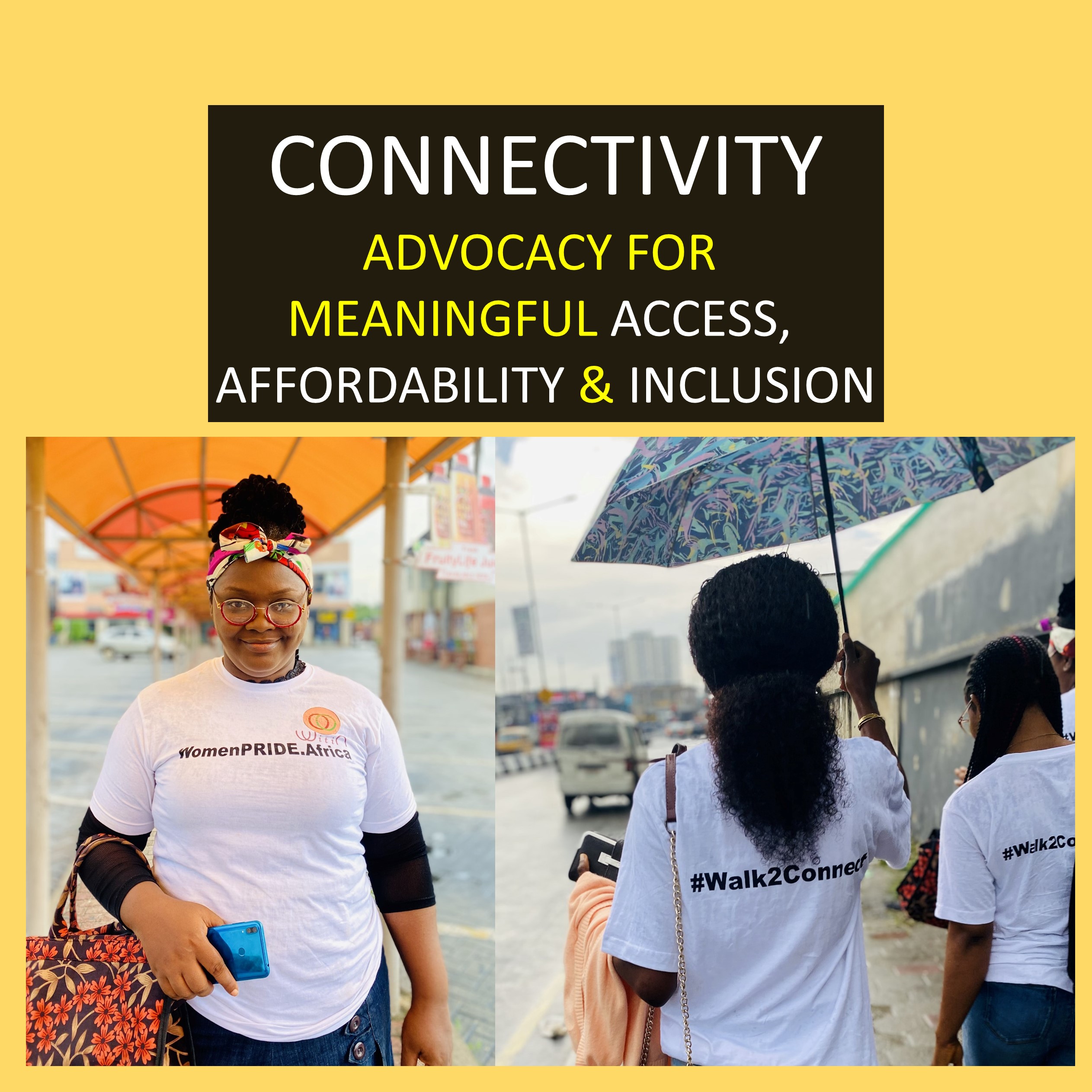
In an age often heralded as the pinnacle of digital connectivity, the notion that women have ample access to the technological world remains an alluring yet elusive mirage. Connectivity does not inevitably foster inclusivity; rather, it can serve as a mere veil obscuring the systemic barriers that still linger in society. Examining this disjunction between access and opportunity sheds light on the intricacies of gender inequity in the digital realm. As we delve deeper, we find that offering connectivity is akin to providing a key to an ornate door; without the means to unlock it, the treasures beyond remain tantalizingly out of reach.
The vast landscape of the internet resembles a sprawling ocean, teeming with opportunities, yet fraught with treacherous undercurrents. Access to connectivity is, at first glance, akin to receiving a boat; however, the ability to navigate these waters is profoundly influenced by societal conditions, cultural norms, and unequal power dynamics. Women across the globe often encounter rugged shores that make their voyage to the limitless possibilities of the digital age rocky and perilous.
At the heart of this intricate web lies education—one of the most significant determinants of digital literacy. In a world where information flows incessantly, the capacity to interpret and utilize that information becomes paramount. Women, particularly in developing regions, frequently find themselves marginalized in educational systems. When societal expectations prioritize traditional roles over academic achievement, the digital tools meant to empower become redundant. The paradox of connectivity thus emerges: the very essence of technology, which holds the promise of empowering women, can also reinforce their subjugation through an absence of education.
Moreover, the advent of internet access does not furnish women with the confidence to participate fully in the digital sphere. Many women experience an insidious sense of intimidation as they engage with new technologies. This psychological barrier, much like a thick fog, obscures their capacity to step forward and claim space in the digital landscape. Societal narratives frequently stereotype women as less adept at navigating technology, fostering a debilitating self-doubt that can stymie progress even when access is granted. Thus, the tool of connectivity, instead of shattering glass ceilings, sometimes erects invisible barriers that stifle women’s voices.
In the realm of digital entrepreneurship, the chasm deepens further. While the internet offers the potential for women to establish businesses and generate income, a lack of access to financial resources proves to be a formidable obstacle. Traditional pathways to capital often remain blocked by discriminatory practices and pervasive biases. Women entrepreneurs may find themselves unable to secure funding, even when their ideas and skills are equal to, or surpassing, their male counterparts. Connectivity becomes a tantalizing prospect, but it is the access to resources that turns dreams into realities. Without this crucial support, the buoyant ship of entrepreneurial spirit risks capsizing in the face of unyielding waves.
Furthermore, the pernicious influence of gender-based violence casts a long shadow over women’s digital experiences. In many contexts, the web can become a hostile environment, rife with harassment and abuse. This leads to a chilling effect where women may withdraw from online spaces, retreating into the safety of the shadows rather than embracing the opportunities offered by connectivity. The promise of connection is marred by the harsh reality of threats, transforming what should be a thriving ecosystem into a battleground where many women feel compelled to relinquish their claims.
Inclusivity within connectivity also encompasses cultural nuances, particularly in societies where gender roles remain deeply entrenched. The intersectionality of race, socio-economic status, and geographical location adds layers of complexity; a woman’s experience with technology is often colored by these factors. In regions where cultural practices dictate the movement and autonomy of women, access to connectivity can be further restricted. The digital landscape that thrives on diversity inadvertently risks homogenizing experiences, relegating unique cultural contexts to the margins. Therefore, the quest for universal connectivity must also prioritize an acknowledgment of the multitude of voices that exist within its bounds.
Rather than merely implementing technological solutions, stakeholders must adopt a nuanced approach that considers the socio-cultural ramifications of connectivity initiatives. Programs tailored to educate women on digital literacy must go hand in hand with systems that challenge and dismantle the socio-economic barriers that inhibit access. Investing in mentorships and alliances, where women can foster their ambitions through networking, can catalyze a shift in the prevailing narrative. These strategies serve not only to provide connectivity but also to instigate empowerment, transforming the digital space from an exclusive realm into an inclusive haven.
In closing, connectivity without genuine access for women is a paradox that demands sustained scrutiny. It is imperative to recognize that the mere provision of resources is insufficient; a multi-faceted approach is essential for overcoming the barriers that obscure the opportunities that connectivity promises. The work ahead is formidable, yet achievable. Only by dismantling systemic oppression and fostering inclusive technological environments can we hope to unlock that ornate door and allow women to step into the digital realm, fully equipped to seize the treasures it holds. The ocean of opportunity awaits, yet only a concerted effort can ensure that all voyagers, regardless of gender, can sail its waters with confidence and purpose.