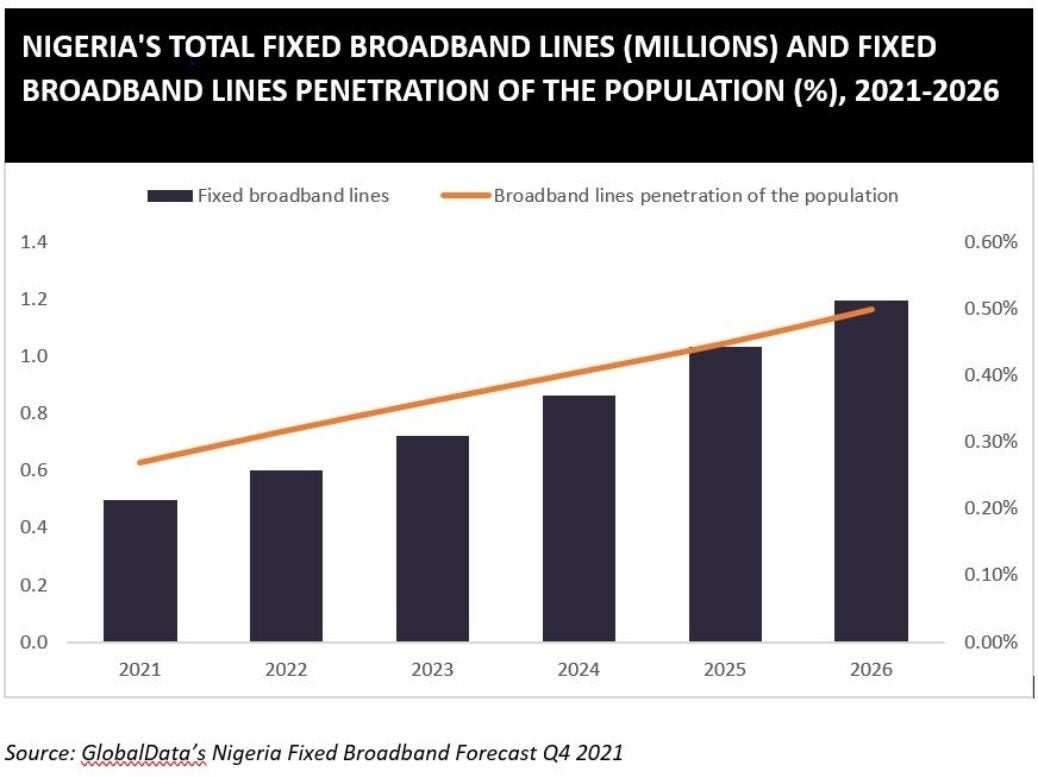
The recent partnership deal aimed at enhancing broadband connectivity in Nigeria is nothing short of a watershed moment for the country’s digital landscape. As the nation grapples with its quest for technological superiority, this collaboration promises to both alleviate existing hurdles and propel Nigeria towards a more interconnected future. But amidst the excitement, one must ponder: could this ambitious initiative be a double-edged sword? Will the anticipated benefits truly manifest, or could unforeseen challenges undermine the potential success?
Understanding the context requires a dive into Nigeria’s current broadband landscape. Despite laudable strides made over the past few years, the country still faces significant barriers to achieving universal internet access. According to various surveys, a substantial portion of the Nigerian population still lacks reliable connectivity, particularly in rural areas where infrastructure is often inadequate. The challenge has not merely been infrastructural; socio-economic factors have played a crucial role in stifling progress, leaving many segments of society digital laggards in an increasingly wired world. This partnership deal has emerged as a potential game changer, designed to bridge these glaring gaps and create a more equitable digital playing field.
At its core, this alliance unites key players in the telecommunications and technology sectors. By leveraging their unique strengths, these entities aim to promote the deployment of high-speed internet across both urban and rural locales. The partnership is not only about providing faster broadband but also about fostering an ecosystem of innovation that can support various sectors, including education, healthcare, and commerce. Improved connectivity is anticipated to catalyze economic activity, empowering local businesses and enabling entrepreneurs to reach wider markets both domestically and internationally.
However, while the envisioned outcomes are commendable, skepticism remains. One of the most daunting challenges lies in the pace of infrastructure rollout. Despite ambitious projections, historical data suggests that infrastructure development in Nigeria can be sluggish, often hampered by logistical nightmares, bureaucratic red tape, and funding constraints. Will this partnership surmount these obstacles, or will it fall prey to the same pitfalls that have dogged previous initiatives? Therein lies the crux of a truly transformative broadband initiative: the execution.
Moreover, one cannot discount the socio-political environment within which this partnership will operate. Nigeria’s telecommunications sector has seen its fair share of regulatory hurdles, and any misalignment between public policies and the aspirations of private entities could derail the intended progress. Ensuring that all stakeholders are on the same page, and that the infrastructure developed is indeed in alignment with the regulatory framework, becomes pivotal in realizing the partnership’s full potential.
There’s also the question of affordability. Even with a robust rollout of broadband services, there is the pressing issue of access. The price of internet services must remain within reach of everyday Nigerians; otherwise, the digital divide may persist. As exciting as this partnership is, if it fails to account for economic disparities, millions may still find themselves on the wrong side of the online divide.
Yet, the partnership’s benefits extend beyond mere connectivity. Envision a Nigeria where educators can access a wealth of online resources, where telemedicine flourishes, and where small-scale entrepreneurs can promote their products through e-commerce platforms. The potential societal improvements are immense. For instance, the effective use of digital tools can enhance educational outcomes by providing access to a world of knowledge, historically reserved for the privileged few. The ripple effect could contribute to a more informed and empowered populace, ultimately spurring sustainable economic growth.
In addition, improved broadband could facilitate a cultural renaissance. With higher speeds and better accessibility, local creatives would have platforms to showcase their talents on a global scale. The burgeoning film, music, and art industries in Nigeria, often referred to as Nollywood and its music scene, are already ripe for expansion, waiting for that digital leap to reach broader audiences. Therefore, the question arises: how might this newfound connectivity fuel Nigeria’s creative sectors, and will artists be adequately supported in leveraging it?
Furthermore, a shift in broadband policy may arise from new data privacy concerns that accompany enhanced connectivity. As the influx of online users grows, so too does the potential for data misuse. The balance between fostering innovation and safeguarding user information will be essential. Can this partnership address privacy concerns effectively while still enabling the growth of a vibrant digital economy? Therein lies a critical challenge.
Public awareness and education surrounding the importance of broadband will also play a significant role. Individuals must understand not only how to harness new digital tools but the potential pitfalls associated with increased online access. The promotion of digital literacy alongside the infrastructure rollout will be a foundation upon which sustainable success can be built.
In conclusion, this partnership deal does indeed bolster Nigeria’s broadband landscape, but the journey ahead is fraught with complexity. If navigated wisely, it has the potential to revolutionize access and connectivity for millions, paving the way for a more digitally inclusive nation. However, the looming challenges require vigilant oversight, strategic planning, and collaborative efforts among all stakeholders. As this initiative unfolds, the ultimate question remains: will it rise to meet the moment, or will it falter in the face of deep-seated challenges? Only time will tell.