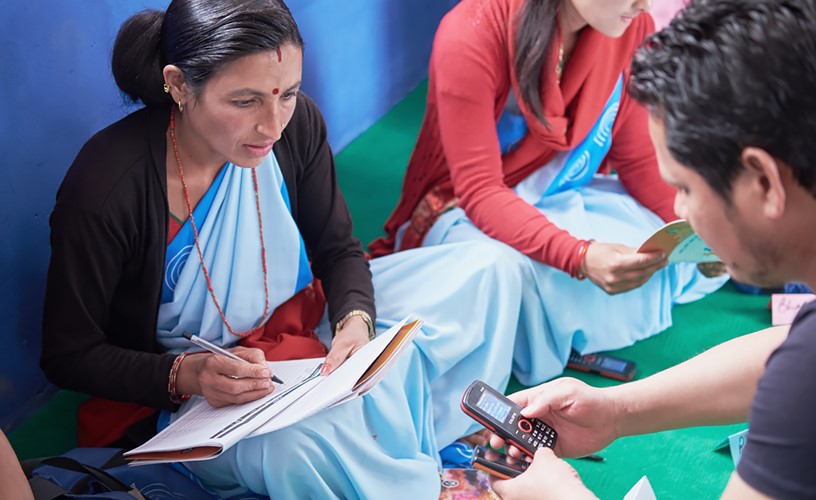
In recent years, the concept of Open Educational Resources (OER) has become increasingly vital, particularly for developing countries striving to enhance educational access and quality. OER encompasses a diverse array of materials designed to foster learning, all freely available for use, adaptation, and redistribution. This freedom allows educators and learners alike to benefit from a broader spectrum of resources that might otherwise be inaccessible. Let us explore the plethora of content types that characterizes the rich landscape of OER in developing nations.
1. Textbooks and Course Materials
One of the most prominent facets of OER is the availability of textbooks and comprehensive course materials. Conventional textbooks are often prohibitively expensive for learners in developing countries. In contrast, OER offers a plethora of textbooks that are not only free but also frequently updated to align with current educational standards. These can range from elementary school manuals to university-level academic texts.
Furthermore, many OER textbooks are available in multiple languages, addressing the linguistic diversity prevalent in many developing regions. This multilingual aspect ensures inclusivity and makes quality education accessible to a broader audience. OER platforms often permit educators to customize and integrate local context, enhancing relevance and engagement for the students.
2. Multimedia Resources
Another compelling element of OER is its multimedia resources that encompass videos, podcasts, and interactive simulations. Visual and auditory materials can significantly enhance the learning experience by catering to diverse learning styles, especially for visual and auditory learners. These resources often provide real-world examples that can elucidate complex concepts in science, mathematics, and the humanities.
For instance, educational videos documenting historical events, coding tutorials, or science experiments can be critical for illustrating concepts that text-based resources might inadequately convey. Moreover, podcasts discussing relevant topics allow for on-the-go learning, making them particularly suitable for students balancing education with other responsibilities.
3. Assessment Tools
Assessment tools are crucial components of OER that provide educators with resources to evaluate student learning effectively. These tools may include quizzes, tests, and assignment templates designed to gauge understanding and facilitate feedback. Platforms offering OER often include extensive question banks that can be tailored to meet the specific learning objectives of a course.
Some OER initiatives go beyond static assessments, incorporating adaptive learning technologies that adjust the difficulty level based on student performance. This personalized approach helps to cater to individual learning paces, which is particularly beneficial in class environments where students may vary greatly in their prior knowledge and skills.
4. Teaching and Learning Guides
Guides for teachers and learners are instrumental in maximizing the effectiveness of OER. These resources provide strategies for implementing OER materials, engaging students, and assessing their progress. Such guides often include lesson plans, instructional strategies, and tips on how to create an inclusive learning environment.
Additionally, they may feature reflections and case studies from educators who have successfully adopted OER methodologies. This provides invaluable insights into practical applications and the potential impact of OER on student engagement and academic achievement.
5. Community and Collaboration Platforms
The foundational philosophy of OER fosters collaboration and community engagement. Numerous platforms encourage educators from developing countries to connect, share experiences, and co-create resources tailored to their distinct contexts. These communities often cultivate an ethos of sharing knowledge, leading to innovative approaches that can be replicated in various settings.
Online forums, webinars, and workshops are common elements of these collaborative spaces. They provide opportunities for professional development, allowing educators to refine their teaching practices while fostering a supportive network of like-minded professionals dedicated to improving education in their regions.
6. Open Licenses and Adaptability
The beauty of OER lies in their open licensing, which empowers users not only to use but also to adapt and modify existing resources. Creative Commons licenses, commonly employed in OER, delineate the rights and permissions associated with the materials. This flexibility encourages educators to tailor content, adding local relevance or addressing the specific curricular needs of their students.
For instance, a mathematics textbook can be modified to include local currency in problems or examples pertinent to the community’s context, thereby making learning more relatable. This adaptability is critical for a tailored educational approach, especially in regions with unique cultural and socio-economic challenges.
7. Research and Data Resources
OER also encompasses a myriad of research articles, case studies, and statistics that can aid both educators and policymakers. Access to current research findings enhances the academic rigor of OER, offering insights into best practices and innovations in education. This data can be pivotal for guiding decision-making and educational reforms.
By integrating research into the educational framework, stakeholders can identify gaps in knowledge, address challenges facing the educational system, and ultimately advocate for improvements supported by empirical evidence. This symbiosis between theory and practice fosters a more robust educational ecosystem in developing regions.
Conclusion
Open Educational Resources are transformative forces in the landscape of education, particularly in developing countries where access to quality materials can be limited. The diverse range of OER, from textbooks and multimedia resources to community engagement platforms, fosters a richer educational environment. By prioritizing adaptability and collaboration, OER not only democratizes access to knowledge but also paves the way for innovative teaching and learning practices that resonate with the unique needs of students across the globe.