The geopolitical landscape of Mali has witnessed tumultuous transformations in recent years, particularly through a series of coups that have sparked intrigue and concern both regionally and globally. If you’re keen to stay intimately informed about these developments, the digital era offers a plethora of resources tailored for this purpose. Here’s a curated guide that unveils the multifaceted online tools to monitor events surrounding the Mali coup, while also highlighting an audiovisual gem that brings direct insight into the situation.
First and foremost, the core of any comprehensive understanding of the cultural and political upheaval lies in reliable news outlets. Reputable international news websites, like BBC, Al Jazeera, and Reuters, offer extensive coverage, real-time updates, and in-depth analyses. Their dedicated sections on West African affairs and special reports often delve into the nuances of the coup dynamics. Navigating through these platforms presents the keen reader with a tapestry of perspectives, framing the events in both local and global contexts.
However, as we attempt to grasp the full extent of these occurrences, questions arise: What really transpires behind the headlines? How do the local sentiments color the narratives reported by international media? To tackle this complexity, a blend of local news sources is essential. Online platforms such as Mali24 and Maliweb provide localized insights and analyses that capture the voices, fears, and aspirations of the Malian populace. These platforms serve not just as news outlets but as forums where citizens express their views, creating a more nuanced understanding of the political climate.
In addition to news articles, blogs have emerged as a compelling medium for commentary on the Mali coup. Independent bloggers, often presenting firsthand narratives from within the country, inject a personal touch to the discussion. They share experiences and thoughts that mainstream media might overlook, presenting not only facts but also emotions. Engaging with these blogs allows one to encounter the raw essence of the societal fabric in Mali, enriched by authentic storytelling.
Social media is another critical conduit for monitoring the ever-evolving situation in Mali. Platforms such as Twitter and Facebook become real-time launchpads for updates, opinions, and grassroots movements. Activists, politicians, and journalists utilize hashtags effectively, helping disseminate information swiftly. Twitter’s trending topics often reveal urgent local conversations, while Facebook groups may foster discussions where people share thoughts, memes, and crucial updates. Adding these platforms to your monitoring arsenal not only enlarges your information pool but also allows participation in dialogues unfolding live.
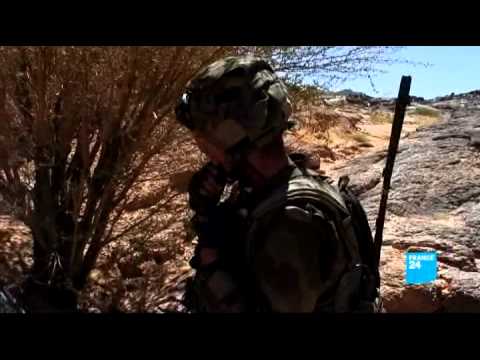
While these traditional and social platforms lay the foundational groundwork for information gathering, one must not overlook audiovisual elements that enhance understanding. Here lies the importance of video resources, particularly those that capture events as they unfold. Among these, YouTube serves as a veritable treasure trove. State television channels, for instance, provide official broadcasts that reflect government narratives and portrayals of coup events. Exploring such content allows viewers to witness press conferences, speeches, and public reactions directly from those in power. This raw footage can alter perceptions, bridging the gap between western interpretations and local experiences.
Consider searching for Mali’s state television broadcasts on YouTube. Quite the challenge arises here: with so much content spread across various channels, how do you discern legitimate footage from sensationalized or misleading segments? It requires discernment and patience. However, by favoring channels with a proven track record of accurate reporting, viewers can unlock crucial insights that may not be mirrored in written articles.
Documentaries and analysis-focused videos also thrive on YouTube. These often incorporate interviews with experts, community leaders, and citizens, combining various perspectives that enrich one’s grasp of the socio-political context. Such productions have the potential to illuminate the complexities of interethnic dynamics, historical grievances, and the aspirations of a young population navigating crisis.
Moreover, webinars and online discussions hosted by think tanks or academic institutions broaden the scope of understanding. Engaging with these live discussions allows participants to hear from scholars and practitioners who can decipher the intricate layers behind the coup’s occurrences. The interaction fosters deeper investigations into the implications of coups on governance, regional stability, and international relations.
Online forums and websites dedicated to dissecting African politics further enhance one’s knowledge. Engaging in discussions on platforms such as Reddit or specialized blogs allows individuals to share insights or seek clarifications regarding specific events or analyses that strike them as perplexing.
Ultimately, as one embarks on the quest to monitor the Mali coup events, a medley of news articles, local insights, social media commentary, and audiovisual narratives will pave the way for a comprehensive understanding. While larger questions about democracy, stability, and social fabric unravel, the onus lies on each individual to navigate the morass of information with due diligence and critical analysis.
In essence, how will you approach this challenge of becoming an informed observer? Equipped with the right online resources, your journey through the complex landscape of emancipation and turmoil in Mali can enrich your perspective, ultimately contributing to a more nuanced global dialogue.