As the world becomes increasingly interconnected, the demand for reliable and efficient Internet access continues to surge. In Nigeria, the National Integrated Satellite Communication (Nigcomsat) has embarked on a bold initiative: targeting 40 broadband access points across the nation. However, a whimsical notion arises—can a fiber optic cable really outshine the stars? This endeavor presents not only vast opportunities for digital growth but also several formidable challenges along the way.
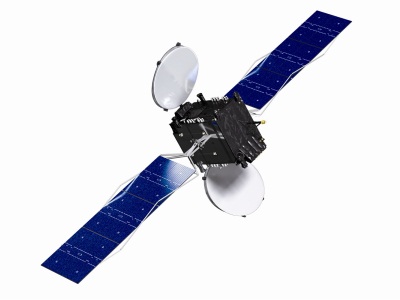
First, let’s delve into the premise of Nigcomsat’s ambitious plan. Assuming all goes according to plan, the installation of 40 broadband access points will transform the digital landscape in Nigeria. This endeavor highlights the fundamental importance of satellite technology as an unrivaled utility for delivering robust Internet connectivity, particularly in remote and underserved areas where traditional infrastructure may falter.
The Nigerian government has recognized the strategic necessity of advancing broadband access. With the implementation of these 40 access points, certain regions could experience a seismic shift toward enhanced connectivity. Long gone will be the days when rural communities languished in the digital darkness—enter the era of satellite broadband that transcends geographical constraints.
In examining the potential impact, consider the vast expanse of Nigeria’s demographic diversity. Each access point could serve as a digital lifeline, allowing farmers in agrarian communities to connect with market trends, while students in overlooked towns gain access to e-learning resources previously inaccessible. The implications of improved broadband access are monumental, directly correlating with an uptick in educational opportunities and economic empowerment.
However, with such towering potential comes a constellation of challenges. Establishing 40 broadband access points in a country riddled with infrastructural deficits raises numerous logistical issues. Imagine the hurdles faced in terms of transporting equipment to remote areas, navigating bureaucratic red tape, or ensuring reliable energy sources to power the satellite stations. Moreover, there lies the gnawing question of sustainability. Once these access points are established, how will their maintenance be managed? Will there be trained professionals on the ground ready to troubleshoot and provide ongoing support?
Yet another component to consider is the integration of this broadband infrastructure within the wider telecommunications ecosystem. The coexistence of existing service providers and the new satellite framework could lead to competitive tensions. How will consumer choices shift, and will there be a race to the bottom in pricing that ultimately devalues services? As Nigcomsat endeavors to level the playing field, players in the telecommunications sector will likely need to innovate and adapt swiftly.
Moreover, the digital divide is not solely a matter of physical infrastructure; there exists a palpable gap in digital literacy. As access expands, so too does the requirement for education on utilizing these resources effectively. Promoting outreach programs designed to equip users with necessary skills will be paramount. A robust educational campaign must accompany the roll-out—allowing potential users to engage with technology confidently, ensuring they can maximize the benefits of this newfound connectivity.
Also worth pondering is the environmental impact of establishing these broadband access points. While satellite technology is often heralded for its capacity to reach remote locales, the ecological repercussions of erecting new infrastructure must not be overlooked. Will Nigcomsat prioritize eco-friendly practices? Will campaigns be initiated to mitigate adverse effects on the local environment? These queries not only challenge the implementation of broadband access but also underscore the need for sustainable practices in technology deployment.
Furthermore, regulatory frameworks will require cultivation to support this expansion. The Nigerian Communications Commission (NCC) must develop policies that ensure equitable access and protect users’ rights in this new digital age. As Nigcomsat targets a more connected Nigeria, collaboration with governmental and regulatory bodies will be vital in crafting an equitable landscape in which innovation thrives alongside consumer protection.
Public awareness campaigns play an instrumental role in fostering community engagement. So the question lingers: how will the populace be informed of these enhancements to Internet service? A proactive approach in communication is essential to quench skepticism and recognize the potential benefits. Local communities ought to be included in discussions from inception to execution, bolstering public support, and ensuring a sense of ownership over the project.
Undoubtedly, Nigcomsat’s expedition to empower Nigeria’s broadband accessibility with 40 targeted points offers a panorama of opportunities alongside unique challenges. As stakeholders in this nationwide endeavor, foresight regarding logistical, environmental, and regulatory challenges is essential. By fostering education, sustainability, and community involvement, Nigcomsat has the potential to unravel the previously tightly-bound threads of digital inequality. This initiative could steer forward a new era of connectivity, where the vast potential of Nigeria is unlocked through the stars, illuminating a pathway towards progress and prosperity.