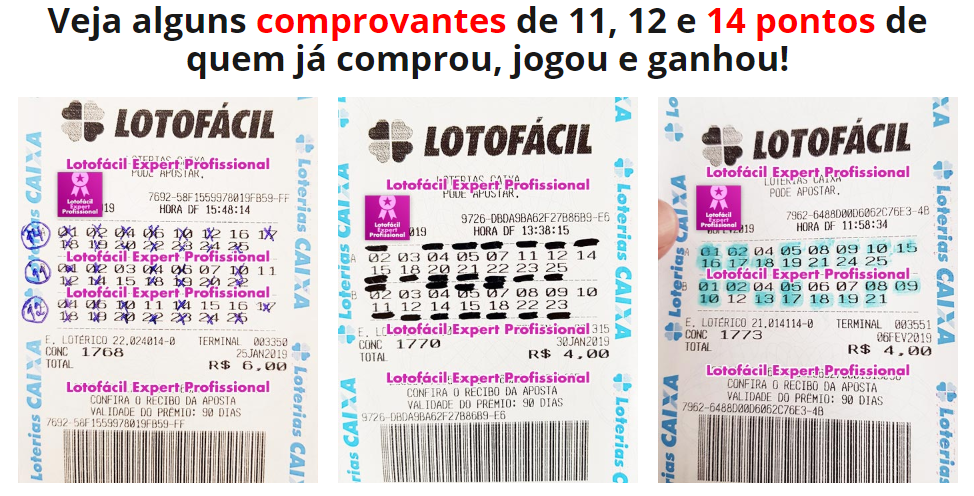
The allure of the lottery is a universal phenomenon, with millions gravitating towards games of chance, eager to unlock the possibility of immense wealth with a mere stroke of luck. Among the myriad of lotteries, Lotofácil stands out in Brazil, captivating numerous players with its straightforward mechanics and perceived higher odds of winning. However, beneath the surface charm of this lottery lies an insidious trap that many players fail to recognize.
At its core, Lotofácil invites participation with a seemingly benign premise: select 15 numbers out of 25, and the more you match, the higher your potential payout. This simplicity is enticing. The game promises an early win ratio—an attractive feature that leads many to believe they are more likely to strike it rich than in other lotteries. However, such beliefs often obscure a fundamental truth: gambling is inherently hazardous.
The perception of increased odds can be deceiving. In comparing Lotofácil to traditional lotteries, players often overlook critical statistical analyses. While the odds of winning a prize are indeed more favorable, the reality is that the jackpot remains elusive for most. The illusion of “easier wins” can breed a false sense of security and inspire misguided strategies.
Understanding the Odds: The Numbers Game
To comprehend the potential pitfalls of Lotofácil, one must first dissect the numerical framework that underpins the game. With 25 numbers to choose from, combinatorial mathematics dictates the sheer possibilities available to players. The odds may appear favorable when compared to other lotteries, yet these are often misconstrued in the rush of excitement. Even attempting to win a modest prize requires matching a significant quantity of numbers, which ultimately translates to minimal probability.
In fact, the odds of winning the top prize in Lotofácil are 1 in 2,298,880. Such a staggering number contrasts sharply with the vibrant marketing and hopeful anecdotes that circulate among players. This essential misalignment between perceived and actual odds obscures the reality of gameplay.
The Psychological Trap: How Hope Distorts Reality
Delving deeper reveals the psychological intricacies of why people fall prey to the charms of Lotofácil. The anticipation and excitement of a potential payday feed into a cycle of hope—one of the most potent motivators in human behavior. This fervent optimism eclipses the mundane aspects of everyday life, offering an escape that individuals latch onto fervently.
Moreover, narratives of miraculous wins inundate social media and community discussions. These stories, often embellished or selectively shared, cement a cognitive bias, leading players to overestimate their chances of winning. The dopamine rush associated with the thrill of possibly “becoming a millionaire” also plays into this universal craving for immediacy and reward. Each ticket becomes a vessel of dreams, disguising the underlying statistical futility.
The Financial Consequences: A Cycle of Misery
Equally concerning are the financial implications of persistent engagement with Lotofácil, which can subtly evolve into compulsive behavior. Many players begin to budget a specific amount for their tickets, but as losses accumulate, this sums escalate, drawing individuals deeper into the vortex of spending. The anticipated ‘big win’ morphs into a must-play scenario, increasingly compromising personal finances and well-being.
Consider this: in a society marked by economic uncertainty, the promise of winning is a balm for many. However, heavy dependence on games of chance enhances vulnerability to stress and anxiety, leading to a potential cascade of negative consequences. This dichotomy of liberation and entrapment ensures that players remain fixated on the illusion of fortune, even as it exacts a considerable toll on their lives.
Strategies to Avoid the Trap: Engaging Wisely with Lotofácil
Understanding the allure and dangers of Lotofácil is only half the battle; the next step involves designating mindful approaches to engaging with such lotteries. Here are several strategies to navigate this treacherous terrain:
- Limit Spending: Set a strict budget for lottery plays and adhere to it. By treating the lottery as a benign expenditure, rather than an investment, one can mitigate the financial risks.
- Foster Realistic Expectations: Emphasize the entertainment aspect rather than a genuine pathway to wealth. Recognize the inherent unpredictability of lottery outcomes.
- Engage in Group Tickets: Participating in a lottery pool can slightly enhance odds while offering a communal aspect to play. However, never rely solely on this method as a primary strategy.
- Educate Yourself: Stay informed about the odds, mechanics, and societal impacts of lotteries. Knowledge empowers better decision-making and diminishes impulsivity.
- Seek Professional Guidance: If gambling behaviors border on compulsive, consulting a mental health professional can yield invaluable support.
Ultimately, the key to navigating the enchanting yet perilous world of Lotofácil lies in fostering awareness of its intricate dynamics. Embracing a grounded perspective on luck and chance will not only enrich everyday experiences but also safeguard against the often invisible talons of addiction that can ensnare the unwary. Balance fun with realism, and maintain a discerning eye toward the all-too-tricky allure of games of fortune.