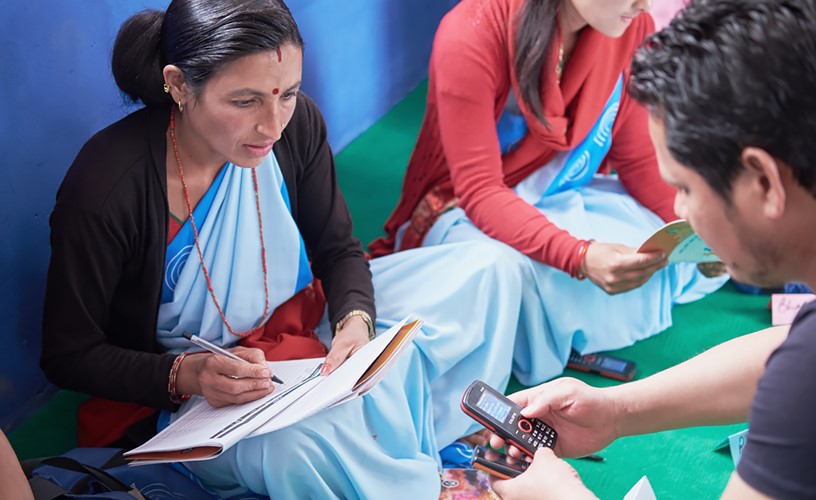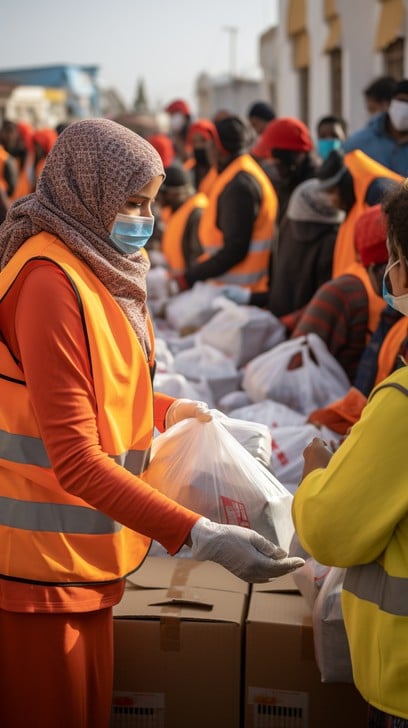
In an era marked by rapid technological advancement, the convergence of mobile technology and humanitarian aid has birthed a transformative force in the arena of disaster relief. Like the intricate threads of a spider’s web, mobile devices now intricately weave together the fabric of coordinated aid distribution, ensuring that resources reach those in dire need in a timely and efficient manner. This article delves into how mobile technology sustains and enhances the orchestration of aid distribution, illuminating its multifaceted implications.
1. Real-Time Communication: The Heartbeat of Coordination
At the very core of effective aid distribution lies real-time communication. Mobile devices serve as the lifeline for NGOs, governmental bodies, and local organizations, ensuring that information flows seamlessly even in the most chaotic circumstances. Imagine a conductor leading a symphony; each instrument must be in perfect harmony to create a cohesive piece. In the same vein, aid groups utilize mobile applications and messaging platforms to synchronize their efforts. Through instant notifications and updates, they can respond to evolving situations, redirect resources, and deploy personnel more effectively.
2. Geographic and Demographic Mapping: The Compass of Distribution
In our contemporary world, the proliferation of geographic information systems (GIS) has empowered humanitarian workers to visualize the landscape of need. Mobile applications are equipped with mapping capabilities that allow organizations to identify affected areas with precision. Picture a cartographer painstakingly etching the contours of a landmass; similarly, aid workers can pinpoint demographics, assess vulnerabilities, and strategize deployment based on real data. This rich tapestry of information ensures that aid is not only distributed efficiently but also reaches the most vulnerable populations, echoing the importance of inclusivity.
3. Resource Management: The Balancing Act of Allocation
The distribution of limited resources in crisis situations is akin to a juggler balancing flaming torches—one slip, and the entire act can come crashing down. Mobile apps designed for resource management enable NGOs to monitor supplies in real time, preventing shortages or wastage. With features that track inventory levels, monitor expiration dates, and record distribution logs, these tools provide the intricate details that keep operations agile. By streamlining logistics and facilitating a proactive approach, mobile technology serves as a safety net, catching any potential missteps before they escalate.
4. Crowd-Sourced Data: The Collective Intelligence of Humanity
In the digital age, the phrase “many hands make light work” gains an entirely new dimension through crowd-sourced data initiatives. Mobile technologies empower individuals on the ground to report conditions, needs, and challenges directly to aid organizations. This grassroots-level intelligence acts as a barometer, reflecting the pulse of the affected communities. By integrating this data into their operational strategies, agencies can pivot swiftly, ensuring that aid distribution is not only top-down but also bottom-up. Just as bees communicate the location of blooms to their hive, individuals harness the power of their mobile devices to amplify the voices of those in need.
5. Payment Systems: The Currency of Generosity
Amidst the ruins left by disaster, the flow of financial resources is vital to rebuilding. Mobile payment systems have revolutionized how aid organizations disburse funds, removing barriers that previously impeded timely support. These systems are akin to a river carving its path through rock—a force that reshapes the landscape of economic assistance. With mobile wallets, beneficiaries can receive funds directly, minimizing the time it takes for resources to convert into actionable support. This augmentation of efficiency not only facilitates immediate relief but also fosters economic recovery by empowering individuals to make choices in their rehabilitation.
6. Training and Capacity-Building: Investing in Tomorrow
As mobile technology continues to evolve, so too do the methods of delivering training to local actors involved in aid distribution. Mobile-learning platforms present an engaging and efficient way to upskill teams, ensuring they remain adept at utilizing technology for optimal coordination. Think of this as planting seeds in fertile soil—nurturing the growth of knowledge that will blossom into stronger, more self-reliant communities. By equipping individuals with the skills needed to navigate mobile technologies, organizations are laying the groundwork for enduring improvements in future responses.
7. Informed Decision-Making: The Beacon of Progress
In the throes of calamity, data-driven decision-making emerges as a beacon of light guiding organizations through turbulent waters. Analyzing patterns and trends sourced from mobile applications can unveil insights that inform strategic planning and benchmarking. For instance, predictive analytics can forecast potential crises based on historical trends, allowing organizations to shift from reactive to proactive stances. This paradigm shift is reminiscent of sailors using stars to navigate seas—by harnessing the right data, aid organizations can chart courses that mitigate risks and expand the efficacy of their interventions.
8. The Road Ahead: Embracing Technological Innovations
As the world burgeons with technological innovations, the potential for mobile technology to enhance aid distribution appears boundless. The integration of artificial intelligence, machine learning, and augmented reality offers tantalizing prospects for improving operational efficiencies and expanding the scope of aid efforts. Organizations must embrace this evolutionary path, weaving together human ingenuity and technological advancement to create resilient systems capable of withstanding the winds of change.
In conclusion, as mobile devices become indispensable tools in the humanitarian toolkit, they exemplify the resilience and adaptability of those working tirelessly to alleviate suffering. Just as a single note can resonate through a concert hall, amplifying the power of many, mobile technology harmonizes the efforts of countless individuals dedicated to the noble cause of aid distribution. The journey toward advancing this synergy continues, but one thing remains clear: through the lens of innovation, a brighter, more equitable future awaits.