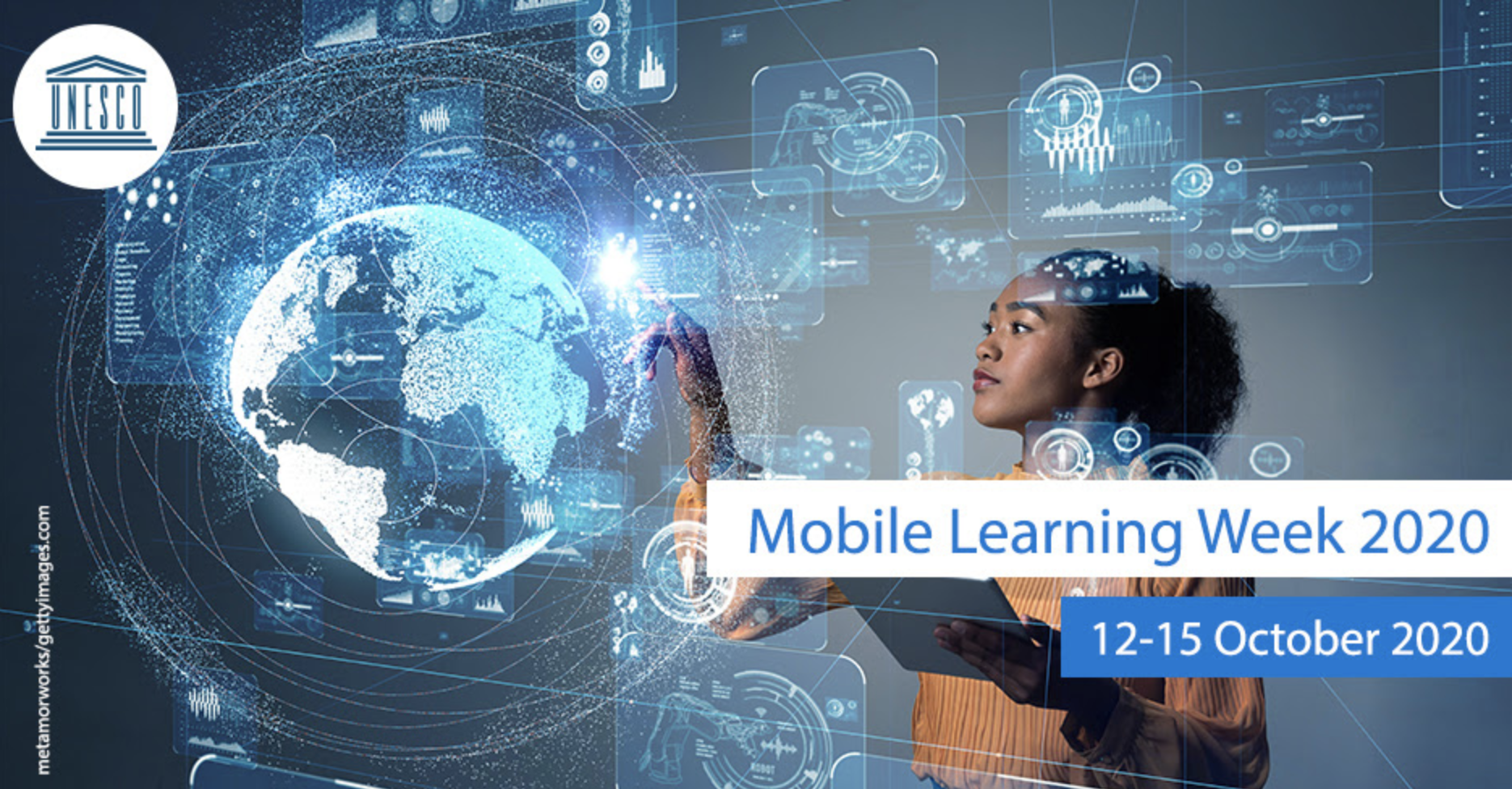
The advent of mobile technology has revolutionized nearly every aspect of daily life, and education has not escaped this transformative wave. Mobile Learning Week (MLW), an initiative organized by UNESCO, is a pivotal event that underscores the intersection of mobile technology and education policy development. This annual gathering is not merely a confluence of thought leaders; it is a crucible for innovation, collaboration, and actionable insights that pave the way for robust policy frameworks that can shape the future of learning globally.
As society becomes increasingly digital, the ubiquity of smartphones and tablets has led to an unprecedented opportunity for learners at all levels. The sheer volume of mobile devices in circulation is a testament to their accessibility and potential utility in educational settings. Yet, this widespread adoption raises pressing questions about how to effectively integrate mobile learning into existing educational paradigms. Mobile Learning Week provides a unique platform for educators, policymakers, technologists, and researchers to converge and deliberate on these critical issues.
At the heart of Mobile Learning Week lies a common observation: traditional educational structures often struggle to keep pace with technological advancements. This disconnect invites an inquiry into why mobile learning has yet to be fully embraced by institutions worldwide. One might argue that the resistance is rooted in deeply entrenched educational philosophies that prioritize traditional face-to-face instruction. However, a more nuanced exploration reveals additional layers of complexity, from infrastructural inadequacies to a lack of coherent policies that can shepherd mobile learning into mainstream acceptance.
Throughout MLW, the importance of empirical research cannot be overstated. Numerous studies have elucidated the myriad benefits of mobile learning, highlighting not only enhanced accessibility but also improved engagement and retention among learners. Yet, despite the plethora of data advocating for mobile learning, policymakers often face significant pressures to maintain the status quo within educational systems. Thus, the challenge becomes twofold: how can stakeholders effectively communicate the advantages of mobile learning while also addressing the legitimate concerns of educators and institutions?
The dialogue at Mobile Learning Week frequently gravitates towards the development of comprehensive policy frameworks that can facilitate the integration of mobile technologies into educational agendas. This dialogue is essential, as sound policies can alleviate apprehensions about mobile learning and offer a clear pathway for implementation. However, drafting these frameworks requires a collaborative approach that synthesizes input from diverse stakeholders, ranging from educators to technologists and even learners themselves.
Moreover, Mobile Learning Week serves as an incubator for innovative practices that can inform policy development. Workshops and breakout sessions allow participants to share successful case studies, thereby providing a concrete evidence base for advocating mobile learning initiatives. These narratives are not only inspirational but also serve as valuable blueprints for policymakers tasked with the daunting challenge of modernizing educational infrastructures.
Another salient theme that emerges from the discussions at Mobile Learning Week is the importance of inclusivity. As the digital divide persists in many regions, equitable access to mobile learning resources becomes paramount. Policies focusing on inclusivity must prioritize marginalized communities and under-resourced areas, ensuring that mobile learning does not merely exacerbate existing inequalities but instead serves as a conduit for social mobility and empowerment.
Furthermore, the exploration of mobile learning’s role in skill development and vocational training cannot be overlooked. As job markets evolve and industries undergo rapid transformations, the need for continuous learning becomes increasingly vital. Mobile Learning Week facilitates conversations around how policymakers can harness mobile platforms to deliver relevant content tailored to local job markets, thus equipping learners with the skills necessary to thrive in a competitive landscape.
The synergy between mobile learning and lifelong education is another critical area of focus. Policymakers have an exceptional opportunity to leverage mobile technologies to facilitate ongoing education beyond traditional boundaries. This concept resonates particularly well with adult learners who seek to enhance their skills while balancing other responsibilities, such as work or family. By embedding mobile learning into lifelong education policies, countries can create a more resilient workforce capable of adapting to shifting economic demands.
Importantly, the conversation around mobile learning would be incomplete without addressing the ethical considerations that arise within this rapidly changing landscape. As data privacy and security become increasingly important, policymakers must ensure that educational technologies uphold the highest ethical standards. This includes robust data governance policies that protect learners while simultaneously promoting innovation. Through the lens of Mobile Learning Week, the need for ethical guidelines becomes a topic of critical discourse, one that has the potential to shape not only technology policy but also the very fabric of society itself.
As Mobile Learning Week continues to unfold, it becomes clear that the event is more than just a series of discussions; it exemplifies a collective vision for the future of education in a world driven by mobile technology. By addressing the multifaceted challenges and opportunities that come with mobile learning, this gathering serves as a catalyst for policy development that is not only forward-thinking but also adaptable and inclusive.
In conclusion, Mobile Learning Week stands at the nexus of innovation and policy-making, setting the stage for significant advancements in mobile education. The aspirations and ideas born out of this unique forum have the potential to transform educational landscapes around the world. As we look to the future, the commitment to harnessing mobile learning through thoughtful policy development remains imperative. The opportunities for learners are boundless, but it is the synthesis of shared knowledge, collaborative frameworks, and ethical considerations that will ultimately dictate the success of mobile learning as an essential component of modern education.