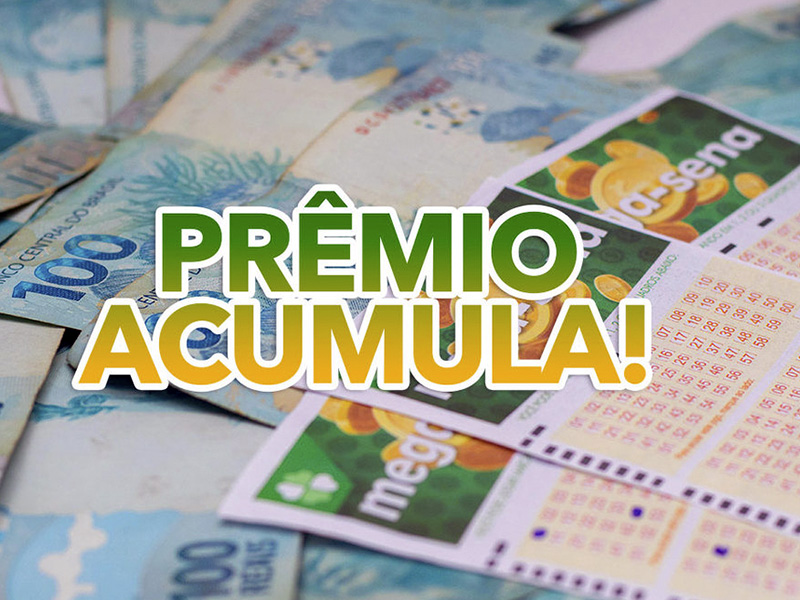
The world of lotteries continually captivates our imaginations, particularly when massive sums of money are on the line. One such spectacle is the Brazilian lottery known as Mega Sena, infamous for its staggering jackpots. Recently, the Mega Sena accumulated prize soared to an astronomical 80 million reais, a figure that has ignited the curiosity and excitement of millions. But what accounts for the enduring allure of such massive lotteries? Let us delve into the complexities that shape this fascination.
First and foremost, the sheer scale of the prizes serves as a magnetic force. A jackpot reaching 80 million reais is not just a number; it embodies dreams, aspirations, and life-changing possibilities. It allows individuals to envision a future unencumbered by financial constraints. The notion of suddenly becoming wealthy taps into the universal desire for a better life, free from the burdens of debt and daily stressors.
Moreover, the accessibility of the Mega Sena contributes to its appeal. Unlike some lotteries that may require intricate methodologies for participation, Mega Sena invitations span a broad array of demographic groups. With relatively modest ticket prices, it entices a heterogeneous mix of players: from the casual occasional dreamer to the determined regular participant. This inclusivity fosters a sense of community, where individuals, regardless of their background, partake in a collective hope.
However, the phenomenon of the Mega Sena extends beyond mere monetary allure. The psychological aspects of playing the lottery play a pivotal role. The experience of selecting numbers—whether they are personal, lucky, or entirely random—evokes a sense of agency. This ritualistic behavior instills a belief that one is participating in events that can dramatically alter their circumstances. The power of hope, vividly illustrated in the ethos of Mega Sena, captures the imagination and fuels the dreams of many.
In parallel, there is a cultural narrative that accompanies the lottery. Within Brazilian society, the Mega Sena has become a symbol of luck and serendipity. Stories of winners, often embellished through word-of-mouth or social media, heighten its mystique. The allure of striking it rich becomes a shared folklore, one that narrates tales of rags-to-riches transformations. People revel in recounting their own “what if” scenarios, perpetuating a cycle of speculation and aspiration.
The communal aspect is paramount as well. When jackpots reach astounding figure, it becomes not just an individual pursuit, but a collective phenomenon. Families gather round to loosely strategize, colleagues at work scheme together to buy a ticket, and friends join forces to collectively bear the burden of hope. This collaboration solidifies social bonds, as each ticket purchased represents shared dreams and mutual support. The discussions surrounding the Mega Sena, especially as it nears significant milestones, create a collective excitement that is almost contagious.
Yet, deep beneath the surface lies a more sobering reality. Statistics reveal that winning the lottery is an exceedingly rare occurrence. Millions of tickets are sold, and the odds are overwhelmingly stacked against any single individual. This stark truth, while commonly acknowledged, does little to dampen enthusiasm. In fact, the rarity of winning enhances its allure. The more improbable a feat seems, the more compelling it becomes. The quest for the impossible can be intoxicating, giving rise to an exhilarating emotional rollercoaster.
It is fundamental to recognize the paradox intrinsic to lottery participation. While playing the Mega Sena is steeped in optimism and collective excitement, it can also become a double-edged sword. For some, the dream of winning may morph into an obsession. As participants envision a windfall that promises to resolve all issues, they may inadvertently sow seeds of disappointment. This precarious balance between hope and reality underscores the complexities of human psychology when faced with the allure of money.
Furthermore, there exists an element of unpredictability associated with the Mega Sena that furthers intrigue. The lottery events generate an aura of suspense; each draw is steeped in anticipation. As the numbers are revealed, hearts race and breath is held. This theatricality infuses a child-like thrill into adulthood, akin to watching a sporting event or a captivating drama. The waiting game transforms mundane routines into moments of heightened emotional investment, fostering a unique relationship between players and the game.
The Mega Sena is also a reflection of societal aspirations and economic challenges. In a country marked by significant inequality, the promise of financial fortune resonates strongly within the context of daily struggles. For many, the lottery represents a glimmer of hope amidst uncertainty and hardship. This juxtaposition adds layers to the communal experience, as the prospect of an 80 million-real jackpot becomes emblematic of the desire for a fairer and more prosperous society.
In summary, the Mega Sena accumulated jackpot raises fundamental questions about human nature, community, and financial dreams. It illustrates a microcosm of society, filled with aspirations, rituals, and emotional highs, while intertwining the realities of chance and possibility. As the anticipation builds around each draw, so does the collective heartbeat of a nation entranced by the hope that dreams may one day come true—conclusively encapsulating a cultural phenomenon that is equal parts exhilarating and poignant.