In recent years, mobile technology has dramatically reshaped a multitude of industries, but perhaps none as profoundly as healthcare. A groundbreaking initiative has emerged: Medic Mobile has launched the first mobile SIM application exclusively designed for healthcare utilization. This development does not merely represent a technological advancement; it serves as a poignant commentary on accessibility, innovation, and the urgent need for effective healthcare solutions in our modern world.
At first glance, the introduction of this mobile SIM application may appear as a simple enhancement to health services, but a closer inspection reveals its deeper significance. Mobile connectivity remains a pivotal factor in democratizing healthcare, especially in remote and underserved areas. The traditional barriers, like distance and cost, have for too long dictated the quality of healthcare access. A mobile SIM tailored for healthcare operations endeavors to dismantle these barriers, fostering an environment conducive to timely medical attention.
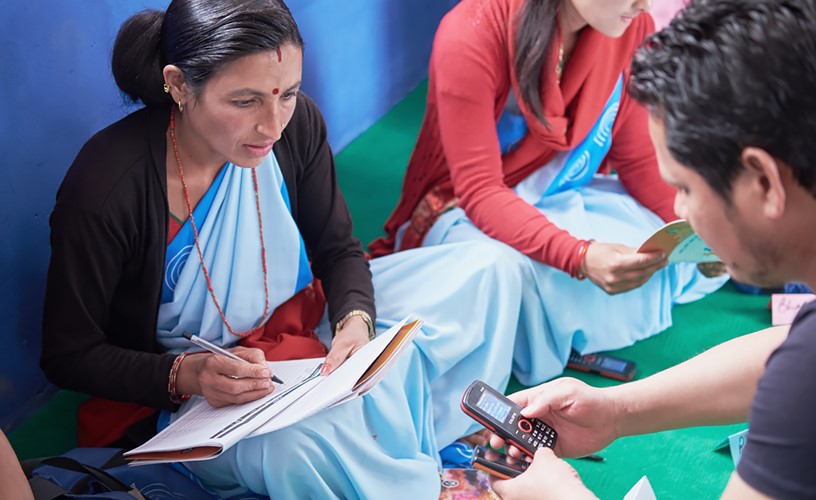
One of the fundamental aspects of the Medic Mobile initiative is its focus on enabling healthcare workers, particularly those in remote locations. Empowering frontline workers with accessible tools is critical in regions where medical professionals are in short supply. The application’s features facilitate secure communication and efficient data management, ensuring that workers are not burdened by inefficient processes or fragmented systems. In a world where every second counts, the necessity of streamlined communication cannot be overstated. This application may well serve as a lifeline in crises, allowing for rapid responses and fostering timely interventions.
The role of data management within this mobile SIM application is equally compelling. With healthcare increasingly reliant on data-driven decisions, the ability to collect, interpret, and share information swiftly could lead to transformative outcomes. The application uniquely integrates patient records, treatment protocols, and health metrics into one accessible platform. As healthcare professionals grapple with the complexities of informed decision-making, this integration underscores the profound impact of technology on patient outcomes. The significance of seamlessly transferring critical information cannot be overstated; it lays the groundwork for a more responsive and effective healthcare system.
Moreover, the introduction of the Medic Mobile application underscores the potential of telemedicine, a concept that, while gaining traction, still faces myriad obstacles. By harnessing the universal availability of mobile phone infrastructure, the application enables healthcare delivery beyond the constraints of traditional brick-and-mortar facilities. This evolution fosters an overarching accessibility that aligns with public health objectives, ultimately leading to improved health outcomes across various demographics. The prospect of consulting with healthcare providers through mobile devices redefines the patient experience, permitting consultations at a time and place that best suits the individual’s circumstances.
One of the more captivating dimensions of this mobile SIM application is its social ethos. By targeting regions where healthcare disparities linger poignantly, Medic Mobile demonstrates an intrinsic understanding of the moral duties entwined with technological advancements. The application is not merely about facilitating transactions or services; it embodies a commitment to equity in healthcare access. Thus, it provokes important questions regarding the ethical responsibilities of developers in the healthcare technology space and their role in advocating for vulnerable populations.
Central to the success of this technological intervention will be user adoption. Implementing a solution aimed at healthcare must take into account the varying levels of technological literacy among users. Medic Mobile’s integration of intuitive design, encompassing user-friendly features, positions it well to facilitate lower barriers to entry for healthcare workers. Additionally, adequate training and support must accompany the launch of this application to ensure that users can fully leverage its capabilities. These considerations reflect a comprehensive understanding of human factors in the design and utilization of health technology.
The implications of this mobile SIM application extend far beyond immediate benefits for healthcare professionals and patients. As the application garners usage data, analytics capabilities will provide invaluable insights to healthcare systems. Identifying patterns, understanding patient care trajectories, and gauging community health trends could lead to breakthroughs in public health strategies. The new ability to harness and analyze rich data sets may fuel innovative approaches to addressing persistent health challenges, from endemic diseases to patient education disparities.
Looking ahead, one cannot help but ponder the broader implications of Medic Mobile’s initiative on an international scale. As countries grapple with aging populations, increased urbanization, and the pressing need for efficient resource allocation, the application exemplifies a promising paradigm shift. The mobile SIM’s potential reaches beyond national borders, offering a template for global collaboration in combating healthcare inequities. This aspiration transcends mere technological deployment; it serves as an invitation for stakeholders to work collectively toward enhanced global health outcomes.
In conclusion, Medic Mobile’s pioneering mobile SIM application for healthcare signifies much more than a mere technological novelty. It captures the intersection of accessibility, innovation, and ethical responsibility within modern healthcare. As we continue to explore the ramifications of mobile technology on health systems, the ongoing dialogue about integration, equity, and user engagement will prove vital. Ultimately, the impact of such initiatives will be gauged not only by their technological sophistication but by their capacity to engender meaningful change within communities that need it most.