South Sudan, a country that emerged from the ashes of conflict in 2011, has found a unique platform for expression, information dissemination, and entertainment: radio. In this young nation characterized by diverse ethnic groups, languages, and traditions, radio transcends mere communication. It symbolizes a beacon of hope, a tool of empowerment, and a vessel for cultural preservation. The centrality of radio in South Sudan, often overlooked, speaks volumes about the socio-political landscape and the vibrancy of its communities.
The Ubiquity of Radio in the Everyday Lives of South Sudanese
In a country where only a fraction of the population has access to the internet, radio stands out as a ubiquitous medium. Its portability and low cost make it accessible across demographics. From bustling urban centers like Juba to remote rural villages, radios crackle with life, delivering news, music, and stories that resonate with the local populace. Notably, community radio stations have proliferated in recent years, bridging gaps in information and fostering a sense of belonging among listeners.
This omnipresence can be attributed to several factors, including the historical context of South Sudan. The prolonged civil wars have led to a deep-seated need for information that uplifts and informs. Radio provides an essential service: it informs communities of changes in security situations, offers updates on agricultural practices, and disseminates health information. As such, radio is not merely a source of entertainment; it becomes a lifeline for many.
The Cultural Tapestry Woven Through Broadcasts
South Sudan’s radio landscape is a vivid tapestry reflecting its rich cultural heritage. Programs often feature traditional music, storytelling, and discussions about local customs and languages. This aspect is particularly significant considering that South Sudan is home to over 60 ethnic groups, each with its own customs and dialects. Radio stations have used this diversity to curate content that appeals to various audiences, often broadcasting in multiple languages. Such efforts not only foster unity but also celebrate the nation’s multifaceted identity.
Moreover, these programs serve as a platform for local artists, promoting indigenous music and cultural expressions. The melodies and rhythms that resonate through the radio waves act not just as entertainment but as a reinforcement of collective memory, helping to preserve traditions that might otherwise fade into obscurity. The tunes become a soundtrack to daily life, enveloping listeners in a shared cultural experience.
Education and Empowerment Through Airwaves
The role of radio in South Sudan extends significantly into the realm of education. Given the challenges in the formal education system, radio broadcasts have emerged as a critical learning tool. Programs tailored for children and adults alike focus on literacy, numeracy, and practical skills, allowing knowledge to flow into homes where books may be scarce. For instance, educational radio programs have successfully engaged audiences in remote areas, where access to schools is limited.
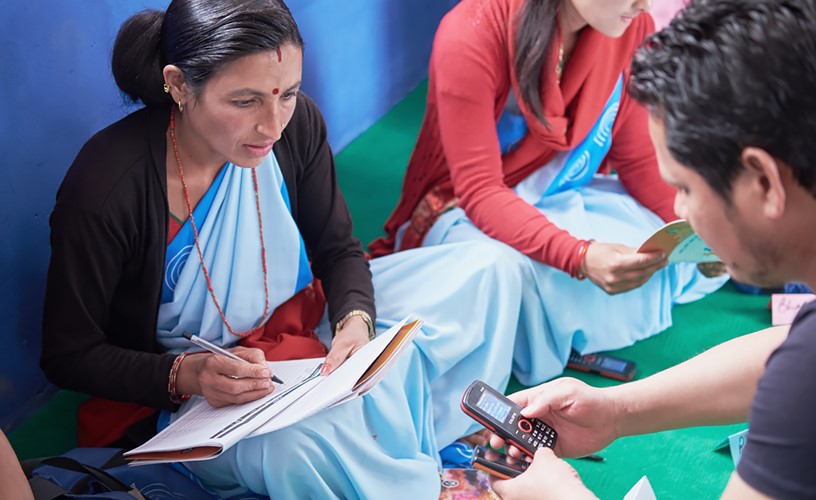
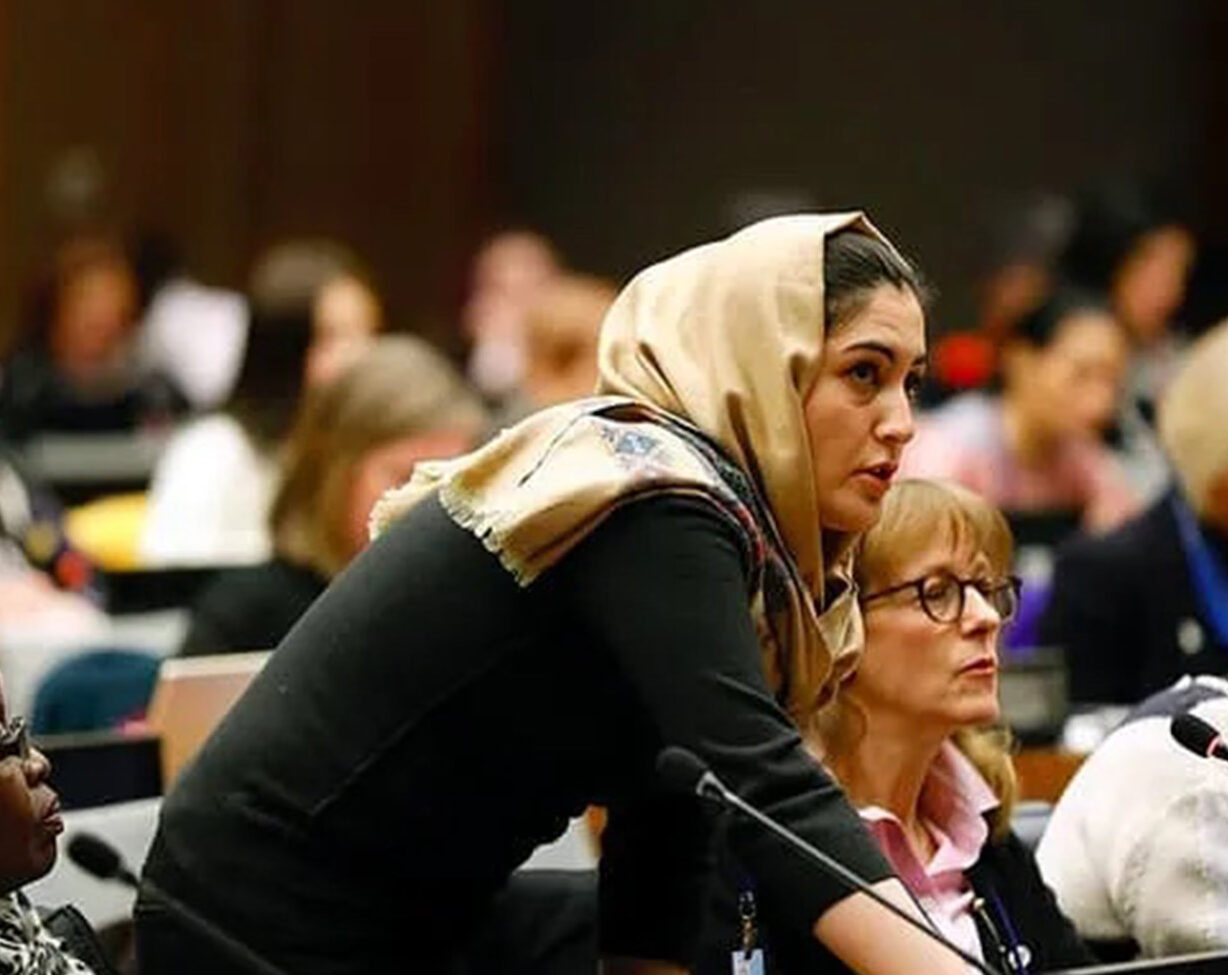
Furthermore, radio serves as a vehicle for promoting women’s rights and social issues, empowering those who have often been marginalized. Programs that address gender equality, health, and civic engagement work towards dismantling patriarchal structures. Through discussions and storytelling, women are encouraged to voice their experiences, fostering a community dialogue that can instigate change.
Political Landscape and Freedom of Expression
The political milieu in South Sudan is complex and often fraught with tension, and radio plays a crucial role in this landscape. Numerous stations have emerged as platforms for debate and dialogue, albeit within a challenging environment of limited press freedoms. While censorship persists, creatively navigated by journalists and broadcasters, radio remains a critical space for public discourse. It provides a channel for citizens to discuss governance, express dissatisfaction, and hold their leaders accountable.
Interestingly, the thrill of listening to radio broadcasts transcends mere information; it shapes public opinion and influences social movements. This phenomenon is particularly palpable during electoral periods or times of unrest when broadcasts become rallying points for collective action. Listeners, keenly attuned to the radio frequencies, engage with content critically, providing their interpretations and responses to the unfolding narratives.
The Challenges Confronting Radio in South Sudan
Yet, the resilience of the radio industry in South Sudan remains commendable. The creativity and dedication of media practitioners continue to innovate and adapt, ensuring that the airwaves remain a vital resource for millions. Community engagement and listener-supported initiatives often bolster these efforts, reflecting the public’s desire for continued access to information and entertainment.
The Future of Radio in South Sudan
In conclusion, radio in South Sudan is more than just a medium; it embodies the hopes, challenges, and aspirations of a nation. By cultivating a sense of community, fostering education, and promoting civic engagement, radio creates a resonant space for the South Sudanese to share their stories and experiences, ultimately knitting them closer together in their collective journey towards stability and resilience.