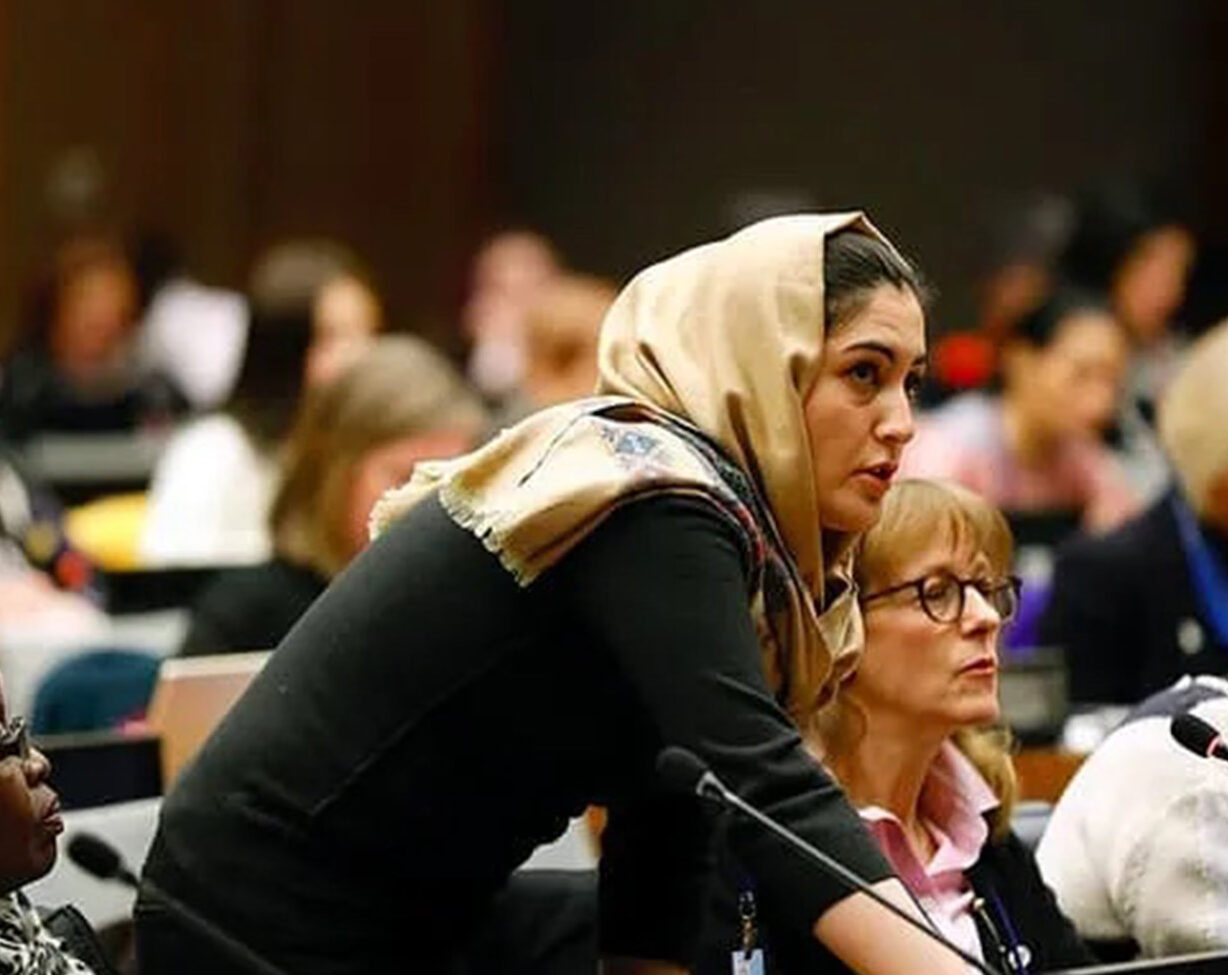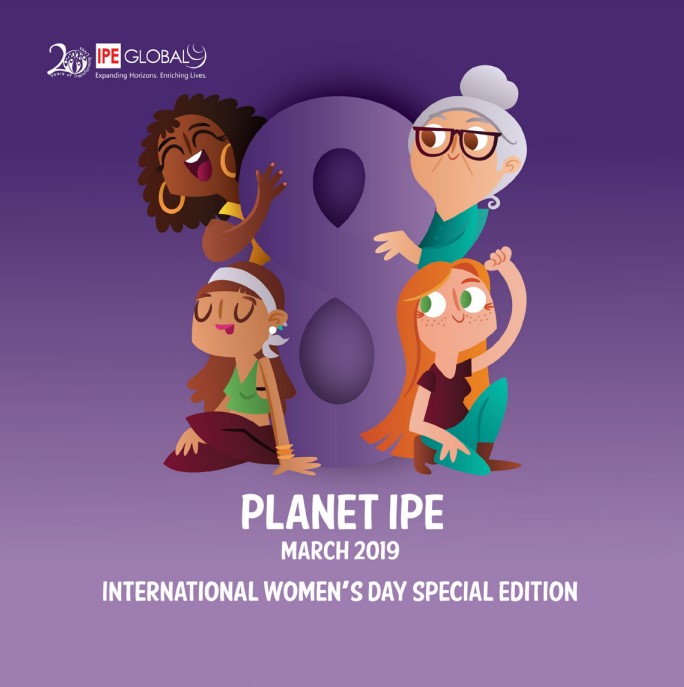
International Women’s Day (IWD), celebrated annually on March 8th, has morphed into a global phenomenon that transcends mere acknowledgment of women’s achievements. It’s an opportunity for individuals and communities alike to foster reflection, challenge societal norms, and catalyze systemic change. This year’s theme amplifies the discourse surrounding gender equality, inspiring a reevaluation of entrenched perspectives. This article delves into various aspects of IWD, revealing its complexities and the imperatives it presents for society.
The Historical Background of IWD
To fully appreciate the significance of International Women’s Day, one must traverse its rich historical landscape. The genesis of IWD can be traced back to the early 20th century, amidst burgeoning movements advocating for women’s rights and suffrage. Originating from labor movements in North America and Europe, the day was officially recognized by the United Nations in 1977. This transition from grassroots advocacy to a globally recognized observance encapsulates a profound evolution, underscoring both the triumphs and trials of women’s liberation movements over decades.
Contemporary Themes and Their Resonance
Every year, International Women’s Day is underscored by a specific theme that captures current issues and aspirations. In recent years, themes like “Choose to Challenge” and “Gender Equality Today for a Sustainable Tomorrow” have stirred debates around equality, empowerment, and representation. These thematic undertones serve as call-to-actions, urging individuals across the globe to challenge their norms and biases, thereby paving the way for new paradigms. The focus shifts, transitioning from the historical plight of women to proactive engagement with modern issues— from wage gaps to reproductive rights and beyond.
Grassroots Movements and Their Impact
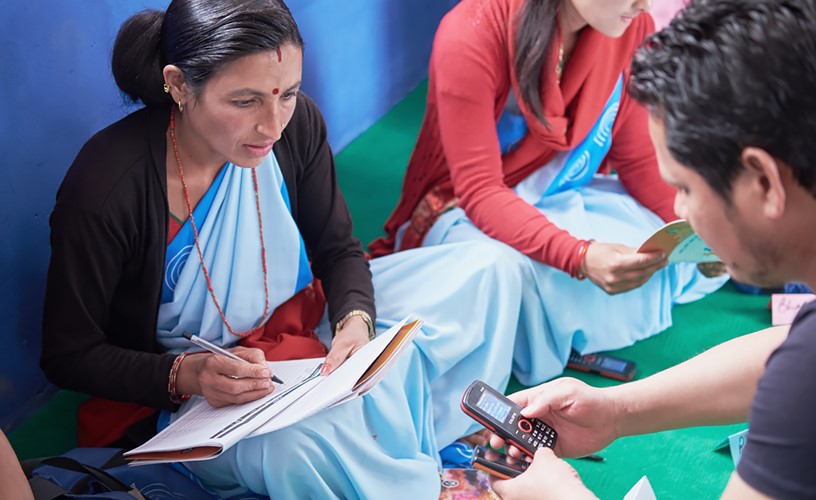
While global organizations play a pivotal role, the impact of grassroots movements cannot be overstated. From local organizations advocating for educational opportunities to global campaigns pushing for policy changes, these initiatives are often the backbone of meaningful change. The transformative power of community involvement engenders not only awareness but inspires activism and solidarity among diverse groups. For instance, women-led movements in India, Africa, and South America have mobilized efforts addressing issues such as gender-based violence and lack of access to education, emphasizing a localized approach to universal challenges.
The Role of Men in the Conversation
In fostering gender equality, it is crucial not to oversimplify the narrative as solely a “women’s issue.” Men’s involvement in the conversation is paramount. Acknowledging privilege and understanding the systemic structures that perpetuate gender disparities culminates in a more holistic approach to activism. Engaging men as allies—encouraging them to speak out against misogyny, challenge stereotypical norms, and support women’s initiatives—establishes a powerful dynamic that propels the conversation forward. This newfound collective consciousness can disrupt traditional gender roles and stimulate a more inclusive dialogue on equality.
Celebrating Women’s Achievements
International Women’s Day is undeniably a celebration of women’s multifaceted achievements across various domains—science, art, politics, business, and more. It is the stories of trailblazers like Ruth Bader Ginsburg and Malala Yousafzai, alongside everyday heroines, that illuminate the resilience and tenacity inherent in the female experience. These narratives serve a dual purpose; they not only inspire but also challenge the status quo, inviting future generations to aspire to greatness while navigating the complex landscape of gendered expectations.
Art and Expression as Catalysts for Change
Art, in its myriad forms, plays a crucial role in articulating the female experience and advocating for social justice. From literature to visual arts, women’s stories are being told in powerful, evocative ways. Events around International Women’s Day often include art exhibitions, poetry readings, and performances that highlight women’s voices, experiences, and struggles. This artistic expression not only fosters community but serves as a medium for critical discussions, bridging gaps and cultivating empathy among diverse audiences.
Future Directions: Where Do We Go from Here?
As we celebrate International Women’s Day, it is imperative to consider the road ahead. The path to equality is fraught with obstacles, yet the momentum generated through awareness-raising initiatives, policy advocacy, and community engagement fuels hope. The integration of gender perspectives in legislation, educational reforms, and workplace policies is essential. Cultivating an environment that thrives on inclusivity and equity will require ongoing vigilance and collective action. As the world evolves, so must our efforts in dialoguing around gender, ensuring that no one is left behind.
Conclusion: An Ongoing Journey
International Women’s Day is not merely a date on the calendar; it epitomizes an ongoing journey toward gender equity and social justice. The reflections, discussions, and actions inspired by this day create ripples that extend far beyond March 8th. By shifting our perspective, asking challenging questions, and forging new paths forward, society can foster a culture that truly values and empowers women. As we honor past achievements, let us also pledge to remain steadfast in our commitment to create a world where gender equality is not just an ideal but a lived reality.