The Information Revolution is an unprecedented era that profoundly impacts various sectors around the globe, and agriculture in Africa stands on the precipice of transformative change. This metamorphosis is not simply about the adoption of technology; it signifies a fundamental rethinking of farming practices, market access, and food security across the continent. The challenges faced by African agriculture are manifold, yet the dynamics of digital technology, data utilization, and connectivity present unprecedented opportunities to reshape the agricultural landscape.
The Digital Divide: Bridging Gaps through Connectivity
The digital divide has long been a chasm threatening to exacerbate inequality within African nations. Yet, the advent of mobile technology has catalyzed a wave of connectivity that is beginning to bridge this gap. With more than 800 million mobile subscribers across Africa, farmers now possess tools that were once the privilege of the urban elite. Mobile applications specializing in agricultural data deliver critical information—ranging from weather forecasts to market prices—directly into the hands of farmers, at times providing them with a lifeline for decision-making.
Data-Driven Decisions: Empowering Farmers
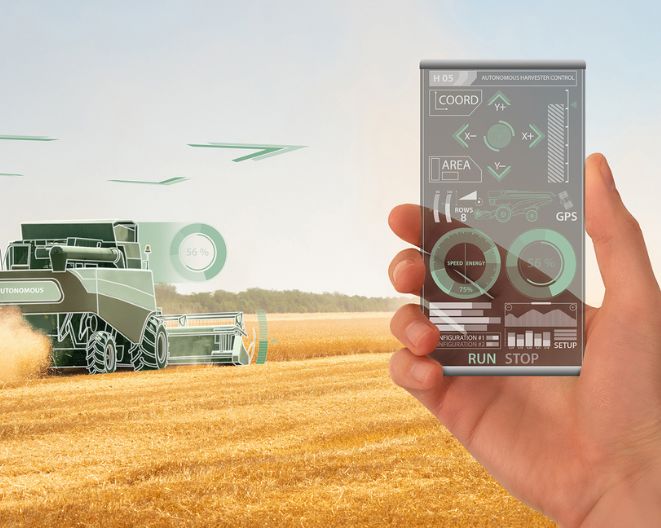
The incorporation of data analytics into agriculture allows for informed decisions that can significantly enhance yields. The practice of precision agriculture, which uses data to optimize farming techniques and resource management, is gaining traction. Through satellite imagery and IoT devices, farmers can monitor crop health, soil quality, and water usage with remarkable precision. As a result, interventions can be tailored rather than generic, leading to increases in productivity and efficiency in resource utilization.
Innovative Crop Management: The Role of Agri-Tech Startups
Keen to exploit this new technological landscape, agri-tech startups are emerging as pivotal players in revolutionizing African agriculture. These enterprises are leveraging advancements in genetics, drone technology, and artificial intelligence to create solutions tailored to local conditions. Whether it’s developing drought-resistant seed varieties or utilizing drones for aerial data collection, these innovations promise to mitigate the impacts of climate change and improve resilience in the face of adversity.
Market Access Transformation: E-Commerce and Direct Sales
The rise of e-commerce has heralded a paradigm shift in market access for African farmers. Traditional distribution channels are often fraught with inefficiencies and exploitative practices. However, platforms that facilitate direct sales enable farmers to reach consumers and retailers without intermediaries. Such systems not only enhance profitability for farmers but also ensure that consumers gain access to fresher produce. Moreover, these online platforms foster a sense of community among farmers, paving the way for collaboration and knowledge-sharing.
Financial Inclusion: The Impact of Mobile Banking
Financial barriers have long constrained agricultural growth, but mobile banking is gradually dismantling these obstacles. Digital financial services provide easier access to credit, insurance, and savings products tailored for the agricultural sector. This newfound access empowers farmers to invest in their operations without the debilitating fear of high-interest debts or inadequate capital. The proliferation of microfinance initiatives further supports this shift, offering tailored financial products that consider the unique challenges faced by smallholder farmers.
Impact on Food Security: A New Trajectory
The Information Revolution has far-reaching implications for food security in Africa. With the continent contending with rapid population growth and urbanization, the demand for food is escalating. Leveraging technology not only increases production but also enhances distribution efficiency, which is crucial in ensuring that food reaches those in need. By minimizing food wastage and optimizing supply chains, innovations derived from the Information Revolution promise to tackle the hunger crisis with renewed vigor.
Environmental Sustainability: A Dual Benefit
Technological advancements also herald a shift toward sustainable practices in agriculture. By utilizing data analytics, farmers can minimize pesticide use, conserve water, and adhere to practices that protect biodiversity. The integration of environmentally friendly farming techniques benefits not just the agricultural sector but carries overarching implications for environmental conservation across the continent. Without a doubt, sustainable agriculture will become synonymous with modern farming in Africa, fostering a relationship of interdependence with the ecosystem.
Policy Framework: A Call for Support
The trajectories laid down by the Information Revolution cannot flourish without conducive policy frameworks. It becomes imperative for governments and stakeholders to create an enabling environment that nurtures innovation. Supportive infrastructure, investment in education, and administration that encourages technological adoption will bolster the agricultural sector. Partnerships between public entities and private enterprises can amplify efforts to facilitate the sharing of resources, information, and expertise, which will yield exponential benefits for the agricultural landscape.
Challenges in Implementation: Navigating the Road Ahead
Despite the enormous potential, the full realization of the Information Revolution’s benefits is not without hurdles. Issues such as inadequate infrastructure, lack of digital literacy, and cybersecurity concerns present formidable challenges. Mitigating these risks through strategic investments in education and resources will be vital for sustainable growth. Furthermore, addressing the needs of marginalized groups, particularly women and smallholder farmers, ensures that the revolution includes rather than excludes.
Conclusion: A Future Reimagined
As the Information Revolution continues to unfold, the face of African agriculture is poised for significant change. Promising a shift in perspective, it encourages a reevaluation of longstanding practices while simultaneously piquing curiosity about the endless possibilities that lie ahead. The vision of a digitally empowered agricultural ecosystem is within reach, with the potential to serve as a harbinger of prosperity, resilience, and sustainability for generations to come. In this burgeoning landscape, the stakeholders—inclusive of farmers, technologists, policymakers, and communities—are collectively crafting a narrative that is rooted in innovation and foresight.