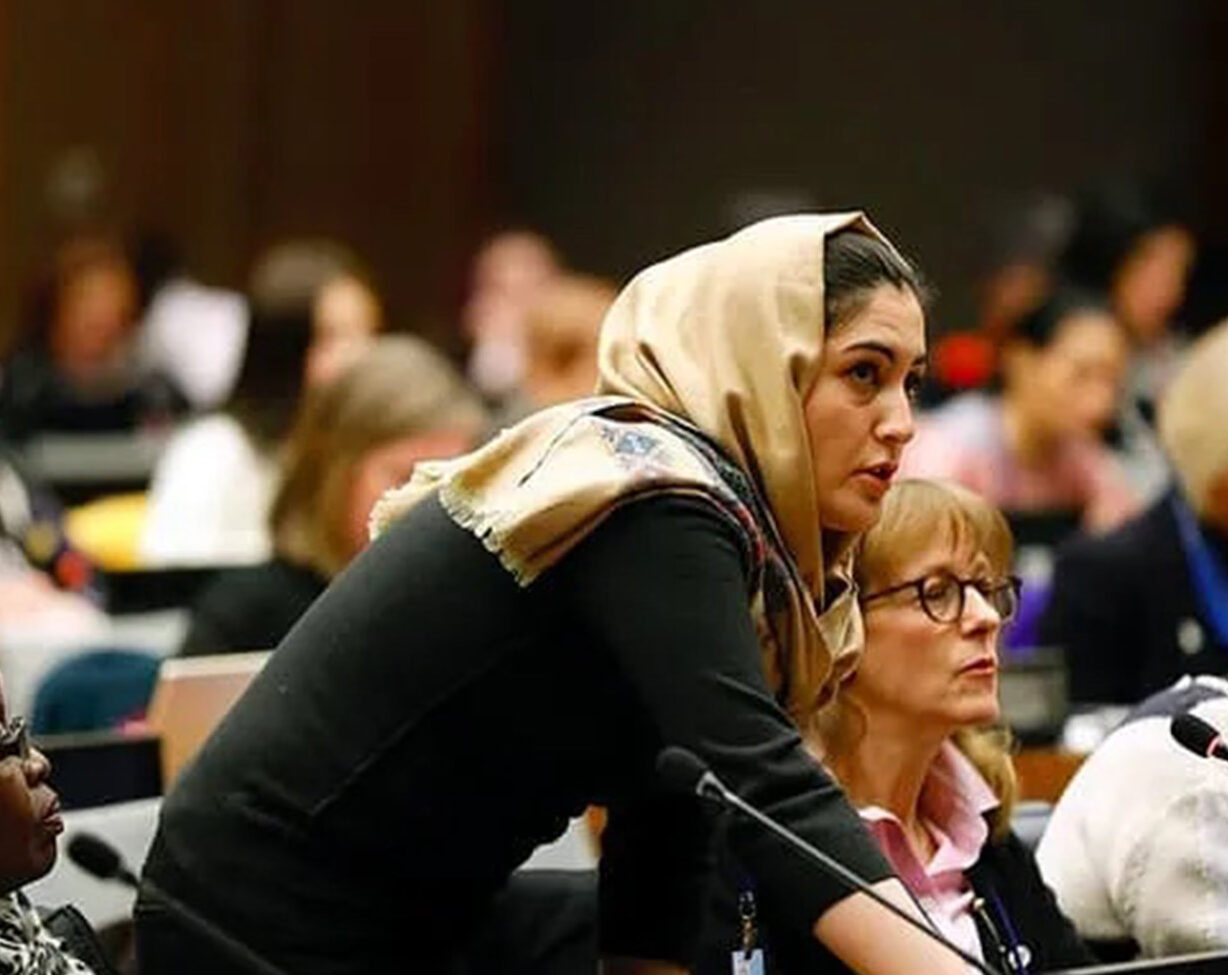
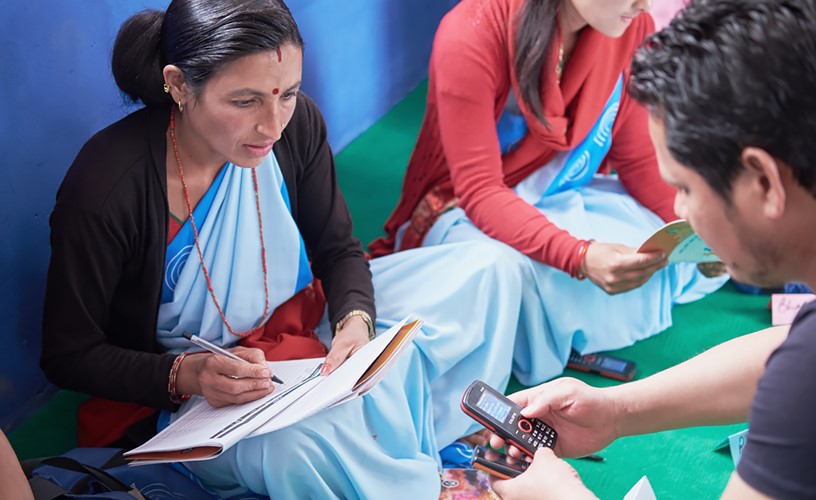
In an era where societal paradigms are rapidly evolving, the intertwining concepts of inclusion, openness, and authenticity emerge as beacons of transformative potential. These principles promise not only to reshape interpersonal dynamics but also foster a more harmonious collective existence. Delving into the intricacies of these notions reveals how they can catalyze a shift in perspective, enriching both individual lives and the broader community.
1. Understanding Inclusion: Beyond Tolerance
Inclusion transcends mere tolerance; it embodies the proactive embrace of diversity in all its forms. At its core, inclusion is about recognizing and valuing the unique contributions of individuals from varied backgrounds—whether cultural, racial, gendered, or otherwise. This paradigm shift invites an exploration of the often-overlooked benefits of an inclusive environment.
- Empowerment and Participation: Inclusion empowers individuals to express themselves authentically, facilitating diverse voices to be heard. This participatory framework not only enriches discussions but also fosters innovative solutions driven by a multitude of experiences.
- Creating Safe Spaces: Genuine inclusion cultivates safe spaces where individuals feel valued and understood. The absence of fear—fear of judgment or ostracism—allows for deeper engagement and genuine collaboration.
2. The Essence of Openness: Cultivating Curiosity
Openness is the catalyst for genuine engagement and meaningful relationships. It entails a willingness to embrace new ideas, perspectives, and experiences. This attitudinal shift towards curiosity can significantly alter how individuals perceive one another and the world at large.
- Facilitating Dialogue: At the heart of openness lies the ability to engage in constructive dialogues. An open mindset encourages nuanced conversations where differing viewpoints can coexist, fostering a culture of respect and understanding.
- Enhancing Learning Opportunities: Openness promotes a continuous learning journey. By actively seeking diverse experiences and insights, individuals can enrich their knowledge and challenge existing biases, leading to personal growth and transformation.
3. Authenticity: The Power of Being Real
Authenticity embodies the commitment to being true to oneself in thoughts, actions, and interactions. This principle not only fortifies individual identity but also contributes significantly to fostering stronger connections within communities.
- Building Trust: Authentic interactions lay the groundwork for trust. When individuals present their true selves, they invite others to do the same, paving the way for deeper connections based on mutual respect and understanding.
- Encouraging Vulnerability: Embracing authenticity encourages vulnerability, allowing for honest expressions of fears, dreams, and challenges. This vulnerability can humanize relationships, fostering empathy and solidarity.
4. The Synergy of Inclusion, Openness, and Authenticity
The interplay of inclusion, openness, and authenticity creates a profound synergy. When these three concepts converge, they cultivate an environment ripe for innovation, collaboration, and growth. Looking deeper into this synergy reveals a multi-faceted framework that can profoundly affect cultures and communities.
- Fostering Innovation: In spaces where inclusion reigns, openness flourishes, and authenticity is celebrated, creativity thrives. Diverse perspectives combined with authentic contributions lead to novel ideas and groundbreaking changes.
- Resilience in Communities: Communities grounded in these values exhibit greater resilience in the face of challenges. The collective strength derived from mutual support and understanding enables groups to navigate adversity more effectively.
5. Practical Steps to Embrace These Values
Implementing these transformative principles into everyday practice requires conscious effort. There are several practical steps that individuals and organizations can undertake to facilitate this shift.
- Active Listening: Foster a culture of active listening, where individuals are encouraged to truly hear and understand others’ perspectives. This can be promoted through workshops and training sessions, emphasizing the importance of empathy.
- Diverse Leadership: Advocate for diversity in leadership roles. Diverse leaders can better represent varied viewpoints, enriching decision-making processes and steering organizations towards a more inclusive ethos.
- Feedback Mechanisms: Establish feedback loops that encourage openness and convey the importance of authenticity. Providing platforms for individuals to express their thoughts on inclusivity can enhance engagement and accountability.
6. The Impact of Technology
In the digital age, technology serves as both an ally and a challenge in promoting inclusion, openness, and authenticity. The dual nature of technology necessitates conscious engagement to harness its benefits while mitigating its pitfalls.
- Social Media as a Tool: While social media can amplify diverse voices, it can also perpetuate division. Encouraging responsible usage and promoting platforms that celebrate diversity can create spaces for authentic interaction.
- Virtual Communities: Online forums and communities present unique opportunities to connect with diverse individuals around the globe. These platforms can facilitate discussions that espouse the values of openness and inclusion, popularizing new narratives and fostering understanding.
In conclusion, the integration of inclusion, openness, and authenticity promises not only to reshape personal paradigms but also to revolutionize societal constructs. As we collectively embrace these principles, the potential for enriched lives and cohesive communities becomes exceedingly tangible. The journey towards a more inclusive world, fueled by openness and authenticity, invites everyone to take part, challenging us to awaken our curiosity and embrace a transformative shift in perspective.