What does “rurality” truly mean in the context of international development? Is it merely a geographical term, or does it encompass a myriad of socioeconomic, cultural, and environmental factors? As the global landscape evolves, defining rurality becomes both a playful inquiry and a profound challenge. This exploration dives into the complexities of rurality and its significant implications for development efforts worldwide.
1. Defining Rurality: More Than Meets the Eye
At its core, rurality refers to areas characterized by low population density, vast open spaces, and often a reliance on agriculture or natural resources. However, the contemporary interpretation of rurality traverses beyond mere physical parameters. It embodies cultural identities, community structures, economic activities, and social relationships that exist within these spaces. This multidimensionality raises pressing questions: How do we classify rural areas? What are the socio-economic markers that denote rural versus urban living?
2. The Contextualization of Rurality in Development
The perception of rurality varies significantly across different regions and countries. In international development, the challenge lies in appreciating these contextual nuances. For instance, what is deemed rural in the United States could be classified differently in India or Sub-Saharan Africa. Development strategies must consider these variances to avoid oversimplification. Efforts aimed at rural enhancement must incorporate localized knowledge and practices, recognizing the diverse realities that rural populations face.
3. The Economic Dimensions of Rurality
Economically, rural areas often suffer from systemic challenges such as limited infrastructure, lack of access to markets, and insufficient employment opportunities. Many rely on subsistence farming, which is increasingly at the mercy of climate change. The question arises: how can international development initiatives stimulate economic growth in these regions without disrupting existing social fabrics? One approach involves diversifying income sources by integrating modern agri-tech solutions with traditional practices, thereby enhancing productivity while respecting local customs.
4. Social Structures and Cultural Identity
The social fabric of rural communities is tightly woven with cultural identities and traditions, leading to a deep sense of belonging. However, globalization poses a threat to these identities, often leading to cultural dilution. Development projects must, therefore, tread carefully. How can we foster growth while preserving cultural integrity? By adopting participatory approaches that actively involve local populations in decision-making processes, projects can align themselves with community values and ensure that they support, rather than undermine, cultural continuity.
5. The Environmental Considerations
Rural areas are frequently custodians of biodiversity and vital natural resources, yet they are often the first to bear the brunt of environmental degradation. Unsustainable agricultural practices and deforestation can jeopardize the very ecosystems that sustain rural populations. Hence, reconciling development with environmental stewardship emerges as a crucial challenge. What innovative methods can bridge the gap between economic development and environmental conservation? Solutions could include promoting agroecology and sustainable land management, where development aims to harmonize economic and ecological interests.
6. The Role of Technology in Transforming Rurality
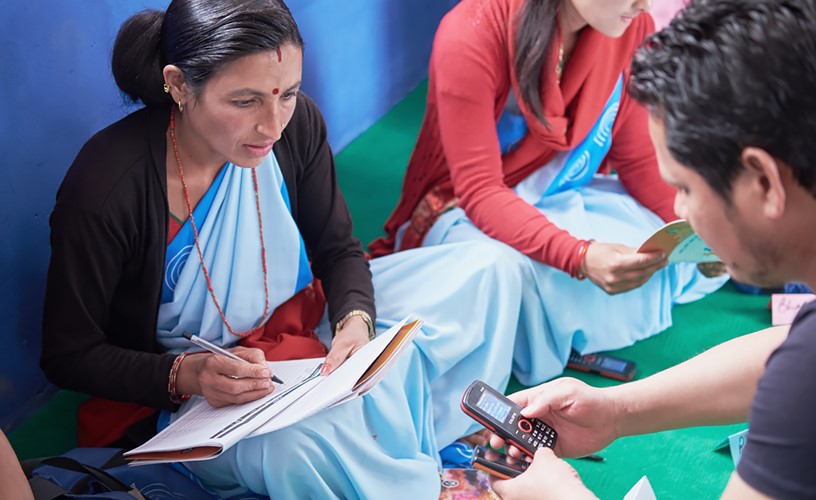
In our digital age, technology acts as a powerful catalyst for change, offering unprecedented opportunities for rural development. From mobile banking and e-learning to telemedicine and data analytics, the array of technological advancements holds transformative potential for remote communities. Yet, this juxtaposition of technology against rurality introduces a new set of challenges. How do we ensure equitable access to these technologies? Bridging the digital divide requires tailored interventions that improve infrastructure and provide training, thus equipping rural populations to harness digital resources effectively.
7. The Governance and Policy Framework
Effective governance forms the bedrock of successful rural development. However, fragmented rural governance systems, often lacking in capacity and resources, pose challenges in policy implementation. Crafting policies that are sensitive to local realities and foster inclusive participation can enhance governance effectiveness. How can policy frameworks be reimagined to empower rural voices in decision-making processes? By prioritizing transparency and stakeholder engagement, development strategies can align more closely with the needs and aspirations of rural communities.
8. The Future of Rurality in International Development
As we look to the horizon of international development, the concept of rurality demands ongoing research and discourse. Shifting demographics and climate change are reshaping rural landscapes and livelihoods. The fidelity to traditional frameworks must evolve, embracing innovation and resilience. What does the future hold for rurality? By fostering adaptive strategies and inclusive policies, rural areas can emerge as dynamic hubs of sustainable development, contributing not only to local but also global progress.
In summary, addressing rurality within international development presents a complex mosaic of challenges and opportunities. It invites a rethinking of strategies that consistently marry local context and global goals. As we delve deeper into the intricacies of rurality, the real work lies in ensuring that development enhances lives without erasing identities—ultimately crafting a future where rural communities thrive harmoniously within an interconnected world.