In the vast tapestry of global development, rural women often occupy an overlooked corner, their vibrant threads overshadowed by the broader narratives of economic progress. Yet, as the digital epoch unfurls its wings, Information and Communication Technologies (ICTs) emerge as transformative catalysts, weaving their magic into the lives of these resilient women. From their humble abodes to the sprawling fields they cultivate, ICTs are redefining possibilities, guiding rural women into a future illuminated by opportunity.
**1. Enabling Connectivity: Bridging Divides**
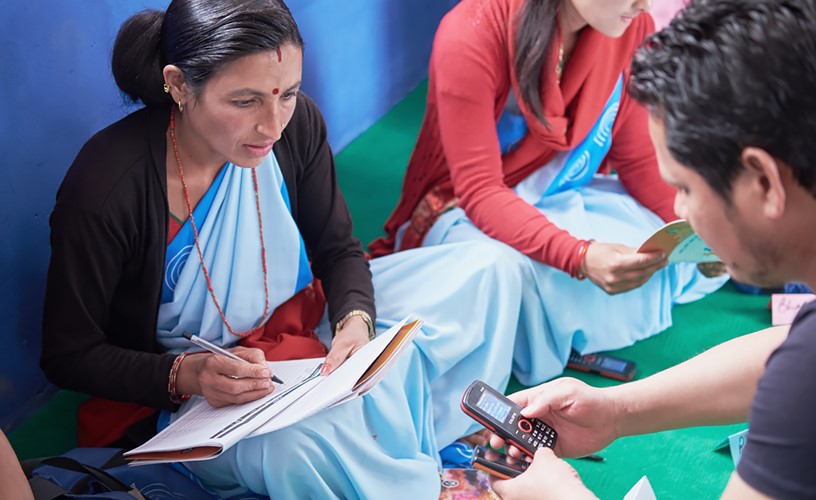
Consider the telephone as a lifeline, transforming into a whispering genie that bridges the vast distances separating rural women from vital resources and networks. Through mobile connectivity, these women can now communicate not only with family members but also with markets, agricultural experts, and health services. This newfound connectivity fosters a sense of belonging, allowing them to share experiences, seek assistance, and engage in community building.
**2. Access to Information: Cultivating Knowledge and Skills**
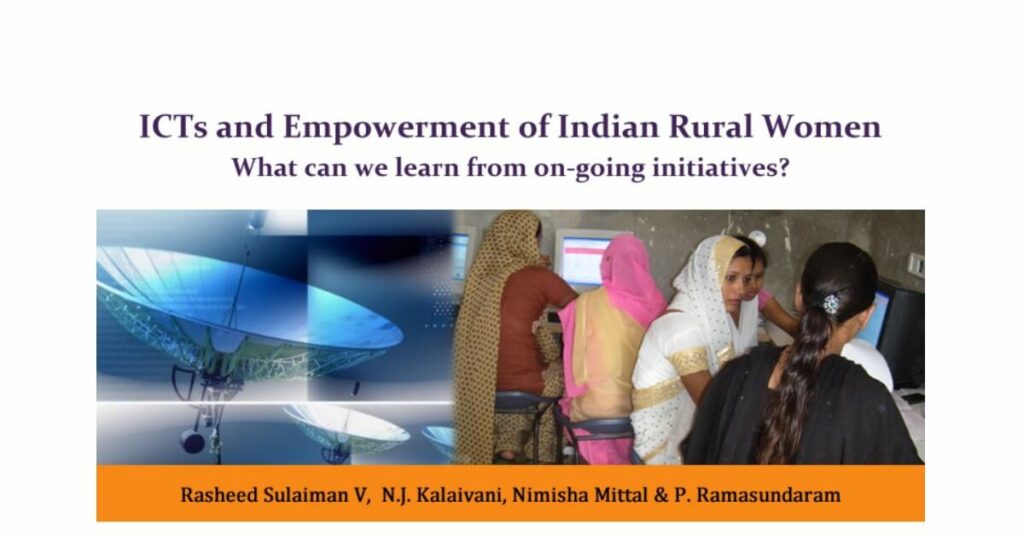
ICTs act as a veritable cornucopia of information, empowering rural women with knowledge that was once a distant aspiration. Agricultural apps provide tailored advice on crop management, pest control, and weather forecasts. Online platforms showcasing tutorial videos on everything from crafting to entrepreneurship grant women the chance to hone their skills. This access to information is not just empowering; it is akin to bestowing a compass that orients them toward self-sufficiency and resilience.
**3. Economic Empowerment: Seeds of Entrepreneurship**
In the fertile soil of entrepreneurship, ICTs plant the seeds of innovation and self-reliance. Women who once relied solely on subsistence farming can now venture into online markets, selling handmade goods or agricultural products to urban consumers. E-commerce platforms serve as bustling marketplaces, where rural artisans showcase their crafts. These avenues not only augment their income but also elevate their status within the community, affording them a voice that resonates far beyond their geographical confines.
**4. Health and Well-being: A Digital Safety Net**
The health of a community is rooted in the well-being of its women. ICTs have introduced telemedicine and health information services that transcend the limitations of rural healthcare infrastructure. Women can consult doctors via mobile apps, receive reminders for vaccinations, and access family planning resources—all from the comfort of their homes. In this digital landscape, health becomes an accessible resource, nurturing not just individuals, but the entire community.
**5. Educational Opportunities: Illuminating Paths**
Education, often likened to a lantern, dispels the darkness of ignorance and illuminates pathways to progress. ICTs have shattered the barriers of traditional education, offering flexible learning options for rural women. Online courses and digital literacy programs equip them with essential skills, fostering a culture of lifelong learning. As they pursue education, these women become role models for future generations, igniting a spark of ambition and aspiration.
**6. Social Advocacy: A Platform for Voices**
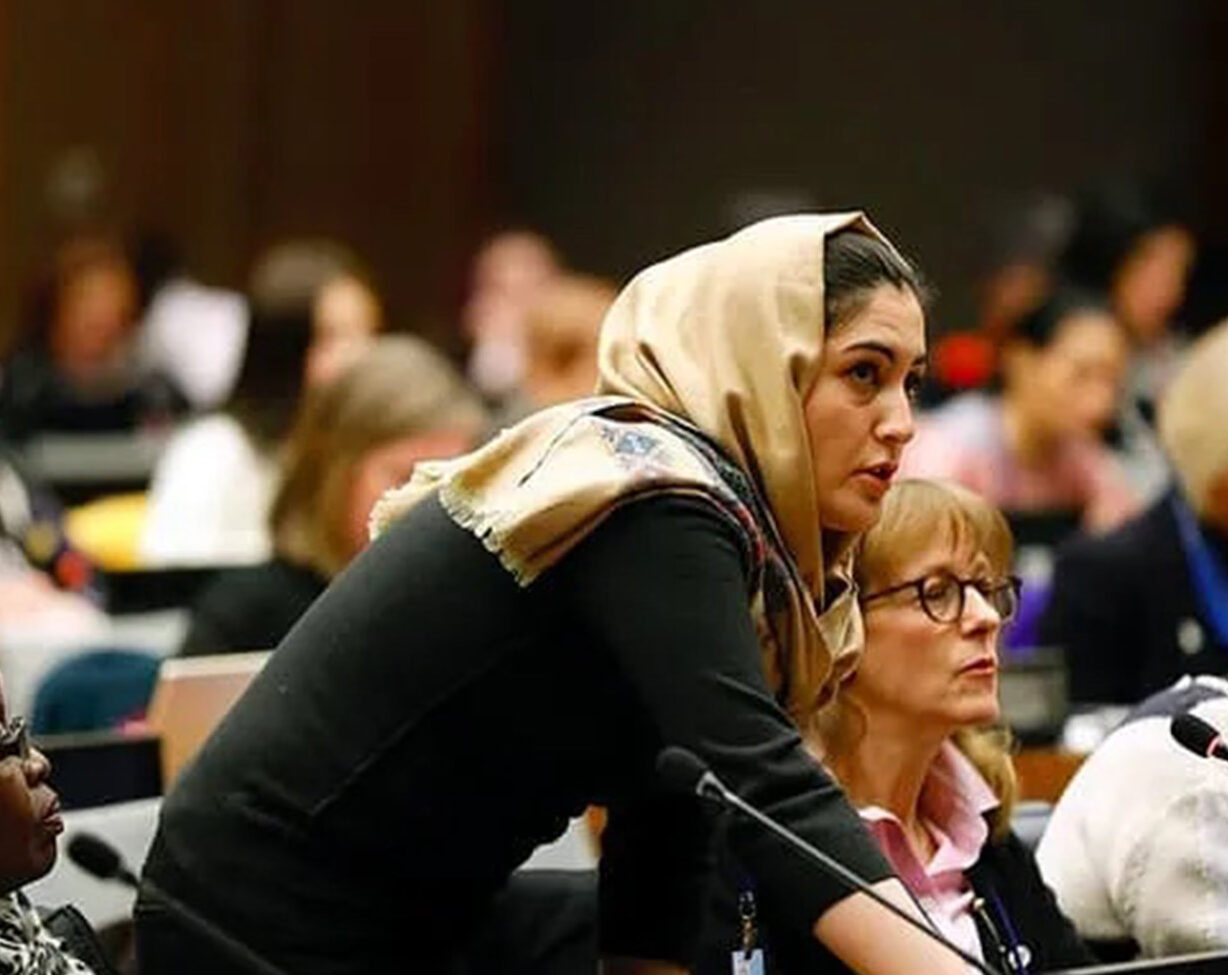
The power of ICTs extends beyond individual benefit; they serve as platforms for collective action and advocacy. Social media has metamorphosed into a global village square where rural women can rally for their rights, share their stories, and amplify their voices in discussions that shape policies affecting their lives. Through campaigns and movements, they challenge stereotypes and demand recognition, fostering a newfound sense of agency.
**7. Environmental Awareness: Guardians of Nature**
In the dance between technology and nature, rural women emerge as vigilant stewards of the environment. ICTs provide them with tools to understand sustainable practices, climate change, and conservation techniques. By integrating modern technology with traditional knowledge, these women can implement eco-friendly agricultural practices, ensuring that their land remains fertile for future generations. Their role as protectors of the ecosystem underscores their intrinsic connection to both the earth and the future.
**8. Challenges and Considerations: Navigating the Digital Divide**
Despite the myriad benefits, the road to empowerment through ICTs is not without obstacles. The digital divide remains a significant challenge, where access to technology can be inequitable based on socioeconomic status, education, or geographical location. Efforts must be directed toward ensuring that all rural women have the necessary tools and skills to thrive in the digital arena. Bridging this gap is crucial for realizing the full potential of ICTs in fostering empowerment.
**9. The Road Ahead: A Vision of Collaboration**
As we contemplate the role of ICTs in transforming the lives of rural women, it is imperative to cultivate collaborations among stakeholders—governments, non-profits, and the private sector. A concerted effort to enhance infrastructure, provide training, and ensure affordable access to technology will pave the way for a more inclusive future. Together, they can sow the seeds of change, nurturing a garden where the capabilities of rural women can flourish.
In an ever-evolving world, the narrative of rural women is being rewritten with the brush of technology. As they embrace ICTs, they are not merely adapting; they are thriving, challenging societal norms, and creating ripples of positive change throughout their communities. The journey is one of resilience, empowerment, and hope—a testament to the transformative power of connectivity and knowledge, echoing through the valleys and fields where rural women thrive.