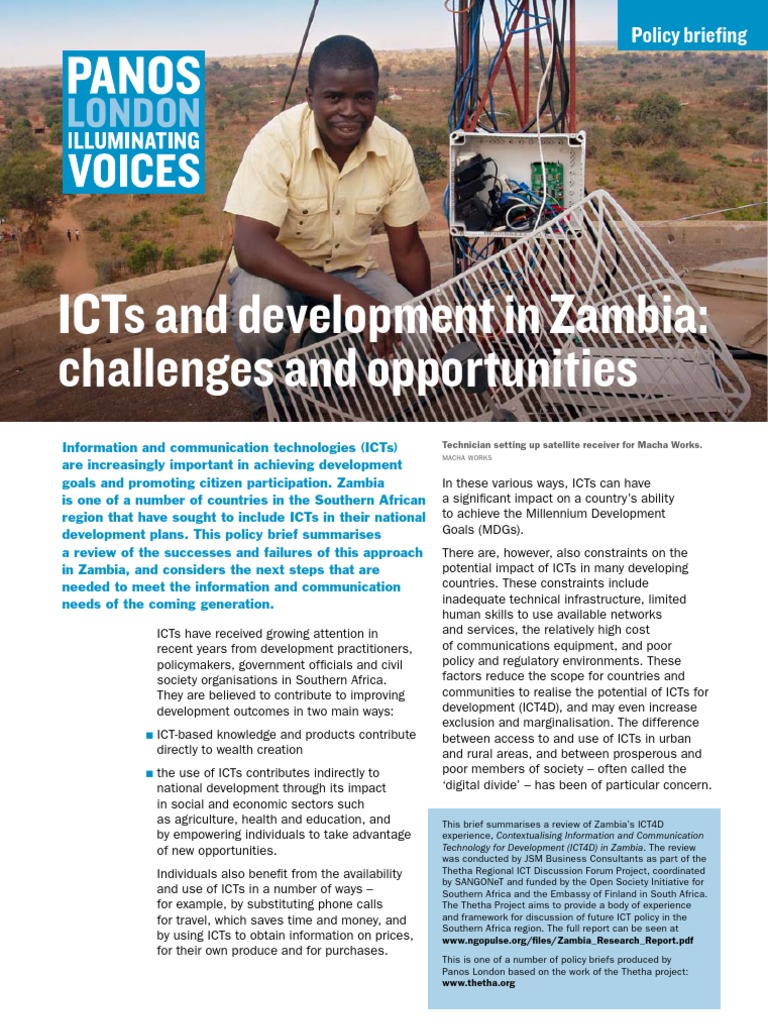
In the expansive canvas of education, where the brushstrokes of innovation transform traditional classrooms into vibrant learning landscapes, the integration of Information and Communication Technologies (ICTs) plays an indelible role. In Zambia, where the sun of progress rises with the dawn of digitalization, educators are harnessing the power of ICTs to redefine pedagogical paradigms. Here, we explore eight recommendations that encapsulate the essence of melding technology with education, aiming to illuminate the path for educators seeking to enrich their classrooms.
1. Illuminate Learning with Interactive Whiteboards
Imagine transforming a mundane chalkboard into a portal of possibilities. Interactive whiteboards invigorate the classroom, offering an immersive experience that captivates students’ attention. These digital canvases allow teachers to present multimedia content—videos, animations, and interactive quizzes—that stimulate curiosity and foster deeper understanding. By encouraging collaborative learning, students can engage in real-time problem-solving, akin to conducting an orchestra where each note contributes to a harmonic learning experience.
2. Embrace Mobile Learning Solutions
In a world increasingly tethered to smartphones, leveraging these ubiquitous devices in education can be likened to planting seeds in well-prepared soil. Mobile learning platforms—such as educational apps and eBooks—enable students to explore concepts at their own pace, fostering autonomy and lifelong learning habits. This flexibility provides access to a wealth of knowledge, making learning as accessible as a tap on the screen. In Zambia, where connectivity continues to improve, mobile learning can bridge educational gaps, reaching learners in remote areas.
3. Incorporate Blended Learning Methodologies
The synthesis of online and offline education forms a cohesive learning ecosystem akin to a well-balanced diet. Blended learning methodologies enable educators to tailor their teaching approaches, combining traditional classroom interactions with digital resources. This pedagogical buffet is vital for accommodating diverse learning styles and paces. Employing techniques such as flipped classrooms can shift the focus from passive reception to active participation, igniting a sense of ownership among students for their educational journey.
4. Harness the Power of Online Collaboration Tools
Collaboration in today’s classroom can be likened to the intricate dance of a well-rehearsed ensemble, where technology facilitates harmony among students. Utilizing online collaboration tools such as Google Classroom or Microsoft Teams allows for seamless communication and project management. These platforms encourage students to share ideas, engage in discussions, and build teamwork skills that are crucial in the interconnected world beyond school. By fostering a culture of collaboration, educators lay the groundwork for developing essential life skills.
5. Facilitate Teacher Training and Professional Development
As the sun sets on traditional teaching methods, the dawn of professional development is crucial for educators to thrive in this digital age. Continuous training opportunities equip teachers with the knowledge and skills necessary to embrace ICTs effectively. Workshops, webinars, and peer mentoring can serve as fertile ground for innovation, allowing educators to share best practices and learn from each other. A well-prepared teacher not only enhances their own capabilities but also plants the seeds of innovation among their students.
6. Leverage Community Engagement and Partnerships
Just as rivers nourish the land, community engagement enriches educational initiatives, creating a sustainable ecosystem for learning. Schools can forge partnerships with local businesses, NGOs, and tech companies to enhance ICT infrastructure and resources. These collaborations can provide access to cutting-edge tools, workshops, and mentorship programs that benefit both students and educators. By fostering a sense of shared responsibility, communities can rally together to support educational advancement, ensuring that ICT integration is not merely a fleeting trend but a sustained commitment.
7. Prioritize Cybersecurity Education
In the realm of technology, where shadows of threats lurk beneath the surface, safeguarding students’ digital footprints is paramount. Cybersecurity education should be woven into the fabric of ICT training, akin to a protective cloak enveloping learners as they explore the digital world. By teaching students about online safety, privacy, and responsible digital citizenship, educators empower them to navigate the internet with confidence. This foundational knowledge is not just an essential skill; it fosters resilience against potential cyber threats.
8. Evaluate and Adapt ICT Integration
The journey toward effective ICT integration is akin to navigating uncharted waters, requiring constant reflection and adaptation. Regular assessments of both technology implementation and educational outcomes are indispensable. Feedback from students, teachers, and parents can provide invaluable insights, guiding necessary adjustments to enhance the learning experience. Through this iterative process, educators can remain responsive to the dynamic nature of technology, ensuring that their approaches remain relevant and impactful.
In Zambia, the integration of ICTs in the classroom opens a treasure trove of opportunities for educators and students alike. By embracing these eight recommendations, schools can craft an educational narrative that not only illuminates the minds of learners but also prepares them for a future woven into the very fabric of technology. As the landscape of academia evolves, it is imperative that the confluence of innovation and education continues to flourish, nurturing the next generation of thinkers, creators, and leaders.