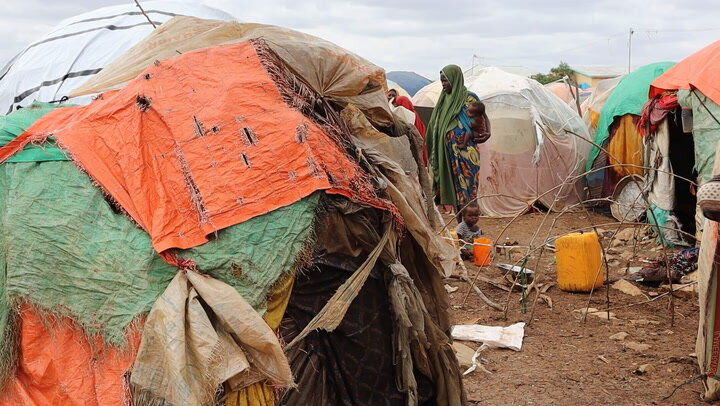
The specter of famine has loomed over Somalia for decades, often exacerbated by a combination of natural disasters, political instability, and economic challenges. As global awareness of this humanitarian crisis grows, a new focus has emerged: the critical role of internet infrastructure in mitigating famine and facilitating recovery efforts. This article explores how enhancing internet infrastructure in Somalia can be instrumental in stopping the next famine while delving into the underlying factors that contribute to this alarming situation.
The Current State of Internet Connectivity in Somalia
In examining Somalia’s vulnerabilities, the paradox of its connectivity becomes evident. On one hand, Somalia has made strides in recent years with increasing mobile phone usage and internet access; on the other hand, the digital divide remains vast. According to recent statistics, only a fraction of the population benefits from reliable internet service. This limited access hampers the dissemination of crucial information, such as weather forecasts, market prices, and emergency aid notifications, which are essential during times of crisis.
The Link Between Information and Food Security
Access to timely information is pivotal for agricultural success and economic stability. Farmers, for example, rely on accurate weather reports to optimize planting and harvesting schedules. When internet infrastructure is weak, misinformation can proliferate, leading to poor decision-making and devastating crop failures. By investing in robust internet infrastructure, Somali farmers and merchants can access real-time data to make informed choices, improving food security and fostering resilience in agricultural practices.
Harnessing Data for Improved Resource Management
With enhanced internet connectivity, Somalia could leverage data analytics and technology to optimize resources. A sophisticated network could facilitate the collection and analysis of agricultural data, such as soil health, crop yields, and livestock conditions. This invaluable information empowers farmers to adopt better practices and maximize their output. Furthermore, the agricultural sector could benefit from precise insights into water management, ultimately leading to improved irrigation systems that are less susceptible to drought.
Empowering Local Communities
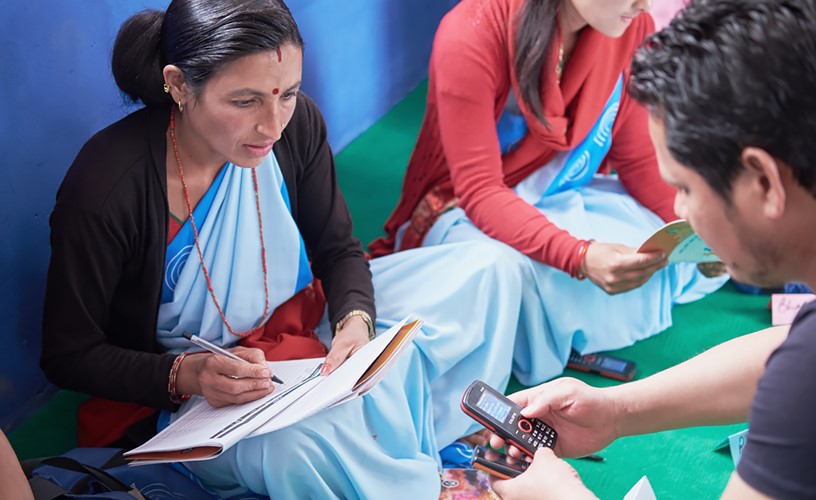
Communities that are better connected are often more resilient. The internet serves as a conduit for education, advocacy, and collaboration. With improved connectivity, local farmers can participate in networks that share best practices and innovative techniques. This fosters a culture of collective problem-solving, which is vital in addressing challenges posed by climate change and food scarcity.
Moreover, educational initiatives can flourish in a well-connected environment. Training programs in agricultural technology, sustainable practices, and entrepreneurship can be delivered online, empowering young adults and women who traditionally face barriers to education. By equipping the next generation with knowledge and skills, Somalia can cultivate a more sustainable agricultural economy that is less prone to famine.
The Role of International Partnerships
International partnerships play a crucial role in enhancing internet infrastructure in Somalia. Collaborations with telecommunications companies, government bodies, and non-profit organizations can yield the necessary investment and expertise to build a comprehensive digital network. Such partnerships can also facilitate the establishment of regulatory frameworks that promote fair competition and ensure quality service delivery. With better access, Somalia can attract foreign investments, which can further stimulate economic growth and improve resilience against famine.
Innovations in Technology
Innovative technologies such as satellite internet, solar-powered communication devices, and drone-assisted delivery systems can dramatically change the landscape of connectivity in Somalia. These advancements can reach remote areas previously cut off from vital resources and information. For instance, satellite technology can provide essential internet services in rural and underserved regions, allowing farmers and communities to engage in the digital economy.
The Importance of Government Support
For sustainable internet infrastructure to flourish, strong governmental commitment is imperative. Policies should prioritize digital literacy, encourage entrepreneurship, and facilitate investment in telecommunications. Regulatory bodies must ensure that resources are directed towards underserved areas, thereby bridging the gap between urban and rural connectivity. Government-led initiatives can establish a framework for successful public-private partnerships that spur technological advancements.
Community Engagement and Outreach
Engaging the community is essential in implementing sustainable internet initiatives. By involving local stakeholders in the development process, projects are more likely to meet the specific needs of the population. Workshops and community forums can elucidate the benefits of connectivity in preventing famine and foster a sense of ownership that contributes to long-term sustainability.
Monitoring and Evaluation
Finally, continuous monitoring and evaluation of internet connectivity projects are vital in measuring their impact on food security and overall resilience. By establishing metrics to assess how enhanced internet access influences agricultural productivity and community engagement, stakeholders can make informed adjustments. This iterative process ensures that the solutions remain adaptive to the shifting challenges posed by climate change and socio-political dynamics.
In summation, enhancing internet infrastructure in Somalia presents a multifaceted approach to combatting famine. By addressing the interconnected layers of information accessibility, community empowerment, international collaboration, and governmental support, Somalia can embrace a future where food security is no longer an elusive dream but a tangible reality. The road ahead is fraught with challenges, yet the digital revolution harbors the potential to transform lives and communities, bringing an end to recurrent humanitarian crises.