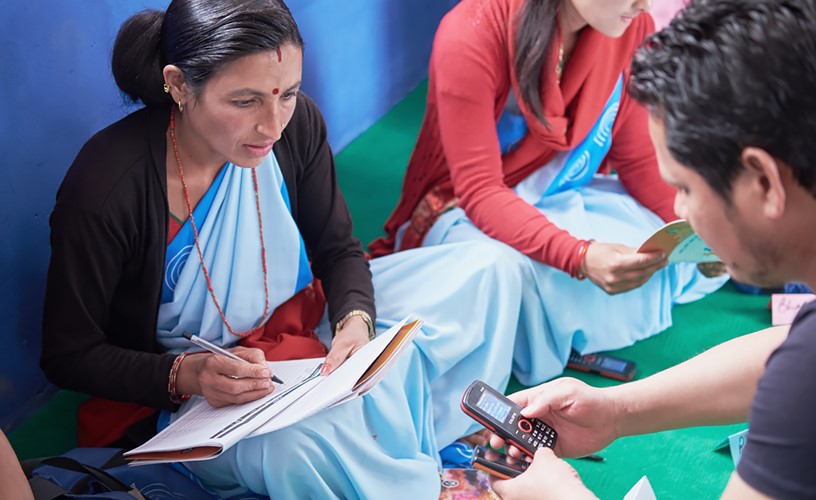
India stands as one of the nations grappling with a dual mantle of vibrant economic growth and the persistent challenge of HIV/AIDS. With a vast population and a burgeoning IT sector, Indian IT companies are uniquely positioned to combat this pressing health issue. Herein lies an exploration of the multifaceted strategies that these corporations are employing to address the HIV/AIDS challenge—fusing technological innovation with social responsibility.
Understanding the Landscape
The prevalence of HIV/AIDS in India has necessitated a concerted effort from various sectors. The Indian IT industry, which boasts global influence, recognizes its role in spearheading initiatives that not only provide technology solutions but also enhance social welfare. This recognition has engendered a surge in programs, partnerships, and outreach efforts designed to combat the stigmas associated with HIV while providing support and resources to affected individuals.
1. Corporate Social Responsibility (CSR) Initiatives
Under the aegis of Corporate Social Responsibility, many Indian IT companies have established robust programs aimed at HIV/AIDS awareness and prevention. These initiatives encompass educational campaigns, distribution of resources, and direct support to marginalized communities. Companies like Infosys and Wipro are notable in this realm, investing in awareness drives that educate employees and the broader community about HIV prevention, transmission, and the importance of regular testing.
Furthermore, these CSR initiatives often extend to collaboration with NGOs that specialize in health advocacy. Such partnerships leverage the strengths of both sectors—the operational capabilities of IT firms and the grassroots reach of health organizations. The intersection of these influences generates comprehensive support networks for those affected by HIV/AIDS.
2. Technological Innovations in Healthcare
The intersection of technology and healthcare is perhaps most pronounced in the realm of data analytics and mobile health applications. Indian IT companies are harnessing the power of big data and machine learning to enhance the understanding of HIV/AIDS epidemiology. Advanced analytics can uncover patterns related to infection rates and demographic vulnerabilities, enabling targeted interventions.
Furthermore, mobile applications tailored for healthcare delivery have gained traction. Tools that facilitate easy access to health information and telemedicine services play a pivotal role in eliminating the barriers faced by individuals in obtaining timely treatment and support. For instance, platforms that offer secure communication between patients and healthcare providers are instrumental in fostering trust—a critical element in HIV care.
3. Awareness Campaigns and Educational Programs
Education serves as a cornerstone in the fight against HIV/AIDS. Indian IT companies frequently engage in awareness campaigns that strive to dismantle the stigma surrounding the disease. Workshops, seminars, and interactive sessions are organized in workplaces and local communities, aiming to foster open dialogues about HIV/AIDS. These programs emphasize the importance of understanding the disease, ensuring that misinformation and prejudice do not perpetuate further social challenges.
Additionally, employee health programs often incorporate HIV/AIDS training modules. These initiatives not only empower employees with knowledge but also cultivate a culture of empathy and support within corporate environments. The portrayal of affected individuals as integral members of the workforce is critical in reshaping perceptions and promoting inclusivity.
4. Support Networks and Counseling Services
Recognizing the emotional and psychological toll of living with HIV/AIDS, many IT companies have implemented support networks and counseling services. This provision extends beyond mere medical assistance, offering holistic care that addresses mental health concerns. Trained counselors provide confidential support and guidance, aiding individuals in navigating the complex psychological landscape of living with an HIV-positive status.
Peer support programs, where individuals living with HIV connect with others sharing similar experiences, have shown remarkable efficacy in fostering resilience. These networks facilitate open conversations, promote sharing of coping strategies, and create lasting bonds among participants, which are essential for emotional sustenance.
5. Implementing Workplace Policies
Effective policies within the workplace can significantly ameliorate the challenges faced by employees living with HIV/AIDS. Progressive Indian IT companies are actively formulating non-discriminatory workplace policies that protect the rights of individuals affected by the virus. Robust health insurance packages and comprehensive healthcare benefits inclusive of HIV-related treatments are foundational to such policies.
Moreover, provisions for flexible work arrangements allow affected individuals to manage their health better without compromising their career aspirations. Creating an inclusive workplace culture that celebrates diversity strengthens the organization’s fabric, encouraging individuals to thrive irrespective of their health status.
Conclusion: A Collaborative Future
In summation, Indian IT companies are not merely passive stakeholders but are instrumental in addressing the HIV/AIDS challenge through innovative strategies and community-oriented initiatives. By intertwining technological advancements with social responsibility, these organizations create a powerful framework that has the potential to make substantial inroads in the fight against HIV/AIDS. The journey ahead requires ongoing commitment, collaboration, and a collective dedication to fostering a healthier, more inclusive society—where every individual can indeed thrive against the adversities presented by HIV/AIDS.