In a world inundated with alarming headlines and disheartening news stories, Hans Rosling’s “The Good News of the Decade” emerges as a refreshing counter-narrative. This exceptional presentation delves into the oft-overlooked progress humanity has made, transforming statistical information into an engaging tapestry that conveys optimism amidst challenges. Rosling, a maven of data visualization, adeptly articulates both the advances and the nuances of human development, inviting viewers to observe that the trajectories of our existence can be much more uplifting than they appear.
The allure of Rosling’s message lies in his ability to address a commonly held conviction: that the world is deteriorating. He masterfully contends with this observation by positing that, contrary to popular belief, many facets of life have significantly improved over the past decades. By employing stirring anecdotes, he illustrates the triumphs of public health, education, and poverty alleviation, prompting audiences to embrace a more nuanced perspective on global progress.
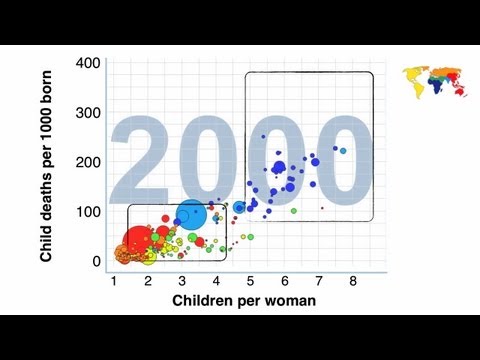
One of the most captivating elements of Rosling’s presentation is his use of visual aids, particularly his iconic bubble charts. These graphics do not merely serve to present data; they narrate a story. Each bubble represents a country, embodying its unique socio-economic conditions and historical context. As the years unfold on his animated timeline, viewers observe how countries evolve and how factors such as healthcare, sanitation, and education intertwine to create a more favorable global landscape. The visual progression encourages optimism while emphasizing the dynamism inherent in development.
Among the themes Rosling has prided himself on discussing is the remarkable decline in extreme poverty. Over the last few decades, billions of individuals have risen above the poverty line, aided by concerted global efforts and policy changes. This transformation is particularly striking in countries previously mired in dire economic straits. By spotlighting nations like Bangladesh and Vietnam, Rosling elucidates the role of international aid and local innovation, highlighting how a collaborative approach can lead to transformative, lasting change.
Moreover, Rosling advances his argument with compelling data regarding education. He posits that access to education has dramatically increased, especially for women and girls. The elevation of education as a primary societal goal has fostered an upward trajectory in many regions. He points to the ripple effects: educated women tend to have fewer children, thereby improving their families’ economic conditions and the overall health of future generations. This interconnectivity of education and socio-economic progress is a cornerstone of Rosling’s optimistic viewpoint.
Healthcare advancements play a pivotal role in Rosling’s optimistic narrative as well. Over recent decades, infant mortality rates have plummeted, and life expectancy has risen appreciably across numerous countries. By showcasing targeted health interventions, such as vaccination campaigns and the enhancement of maternal care, Rosling effectively illustrates the collective impact of shared knowledge and health innovations. He doesn’t just present figures; he humanizes them, weaving in personal stories that speak to the heart of the issue, compelling viewers to grasp the significance of these developments.
Yet, as he unveils these trends, Rosling does not espouse unbridled ecstasy. He emphasizes the importance of recognizing the complex realities behind the numbers. For every success story, there lie challenges that persist. Inequality still remains a pressing issue, with disparities evident not only between nations but also within them. Understanding this nuanced terrain, Rosling augments his triumphs with a clarion call for sustained innovation and collective action. Adopting a multi-faceted approach, he advocates for ongoing partnership between developed and developing nations, encouraging knowledge transfer and technological advancement to ensure everyone benefits from global progress.
At the heart of Rosling’s message is the notion of hope—a beacon that transcends statistics. His ability to portray the state of the world through a lens of optimism galvanizes a sense of agency and responsibility among audiences. With a simple yet profound assertion: “We are the generation that has the power to influence the future,” Rosling taps into an intrinsic desire for progress and transformation. There’s an alluring sense of empowerment in his delivery, encouraging audiences to reckon with the present and actively participate in shaping a favorable future.
Furthermore, the deeper reasons for fascination with Rosling’s message extend beyond the data itself; they speak to a yearning for positivity in a media landscape often saturated with despair. The dramatization of dire situations may capture attention momentarily, but sustained engagement comes from narratives that enable hope and propel action. By unpacking the complexities of global progress through an optimistic lens, Rosling resonates with his audience on an emotional level, urging them to contemplate the triumphs of humanity rather than merely its tribulations.
In conclusion, Hans Rosling’s “The Good News of the Decade” serves as a clarion call, urging us to redirect our focus from pervasive pessimism to a more balanced appreciation of the strides we’ve made as global citizens. Through stunning visuals, compelling personal narratives, and an unwavering commitment to truth, Rosling crafts a narrative that is not only educational but profoundly inspirational. As we navigate the complexities of a rapidly changing world, his insights challenge us to acknowledge progress, confront ongoing challenges, and partake in the collective journey towards a brighter future.