In the heart of innovation, where technology converges with humanitarian efforts, the Google Web Host South Sudan Map-a-Thon serves as a beacon of progress. This initiative is not merely a mapping exercise; it embodies the spirit of collaboration, technological advancement, and community empowerment. Participants engage in various activities that ultimately enhance geographical data, improve digital literacy, and contribute to the development of South Sudan’s digital infrastructure. Here, we delve into the kaleidoscope of content and experiences that make the Map-a-Thon a defining event for both participants and communities alike.
1. Overview of the Map-a-Thon
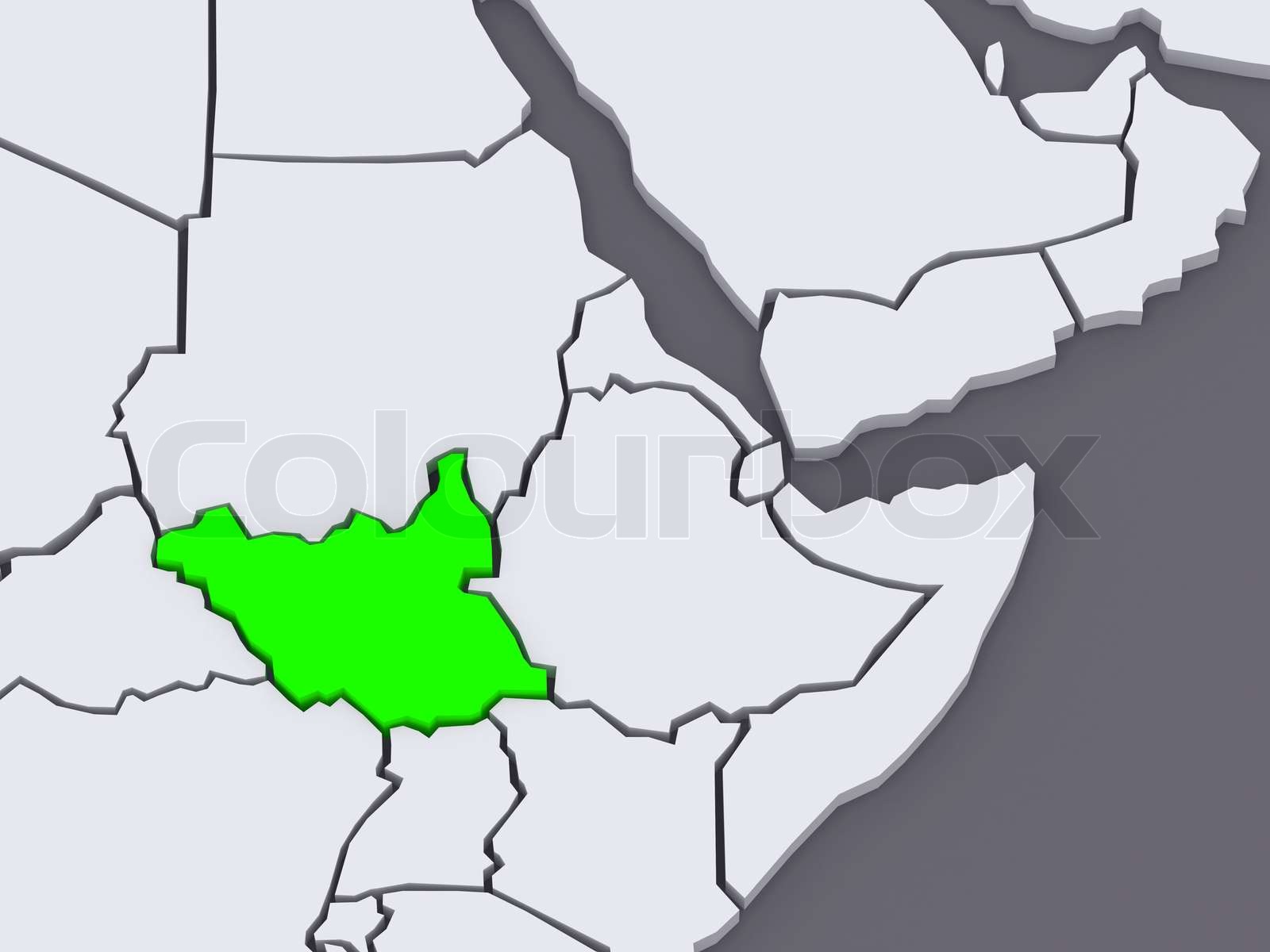
The Google Web Host South Sudan Map-a-Thon is an invigorating event aimed at gathering local volunteers, cartographers, and enthusiasts. It offers a platform for participants to contribute to comprehensive mapping efforts across South Sudan. With the goal of creating accurate, real-time maps that reflect geographical, social, and infrastructural realities, this initiative harnesses the power of collective intelligence. Participants work together, using technology to fill in gaps in existing maps, which is crucial in a country where accurate geopolitical data has often been sparse.
2. Embracing Technology for Mapping
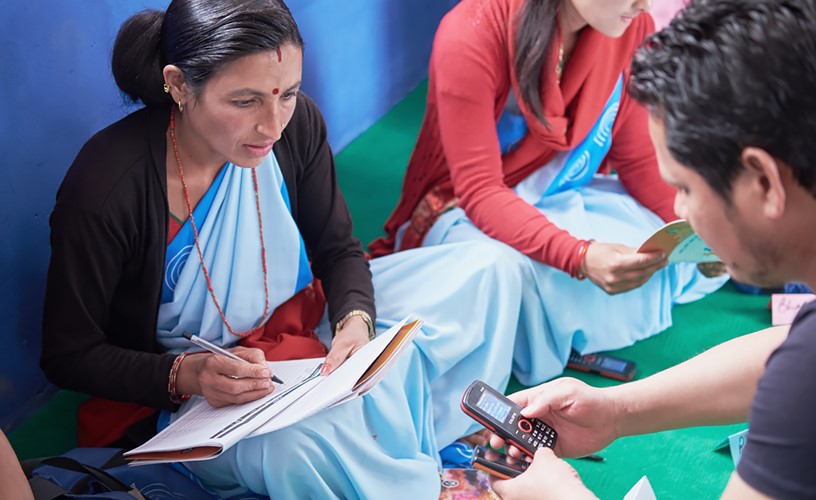
At the core of the Google Map-a-Thon is the utilization of advanced mapping technologies. Participants are introduced to various mapping tools, including Google Map Maker and other geographic information systems (GIS). These platforms are user-friendly, allowing even individuals with limited technical expertise to contribute. Attendees get hands-on experience in using digital tablets, smartphones, and laptops to pinpoint essential locations, such as schools, healthcare facilities, and roads. As they navigate these tools, participants acquire invaluable skills that extend beyond the workshop, fostering a sense of technological proficiency that is increasingly essential in today’s digital environment.
3. Training Sessions: Knowledge is Power
Integral to the Map-a-Thon are the meticulously organized training sessions. Expert facilitators lead interactive workshops focused on key mapping principles, digital literacy, and the importance of accurate data collection. These sessions emphasize not just the technical aspects of mapping but also the socio-economic implications of accurate geographical data. As participants learn how to identify landmarks, assess population density, and gather demographic information, they begin to understand the profound impact that their contributions can have on community development, emergency response, and infrastructure planning.
4. Community Engagement: Building Bonds
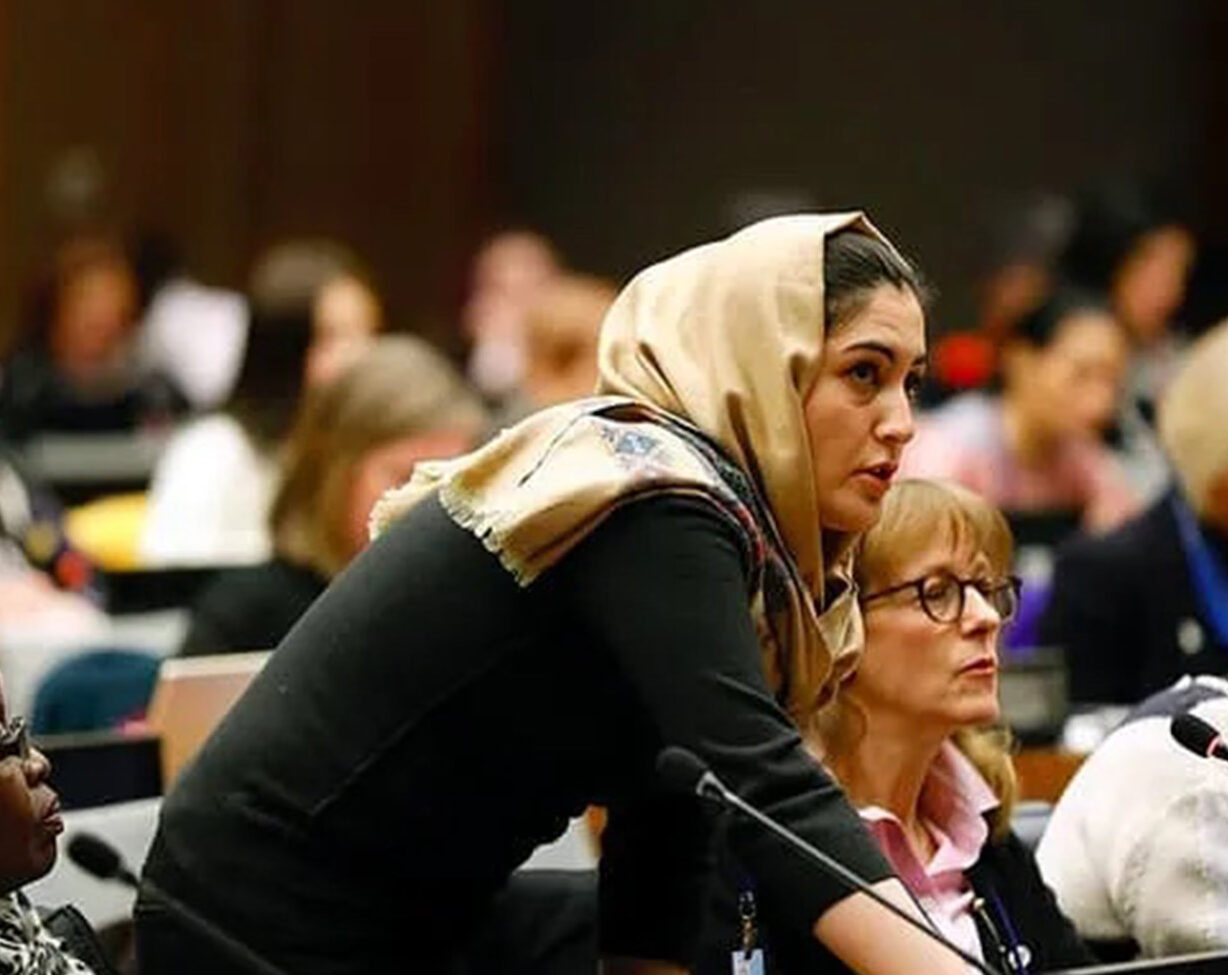
The Map-a-Thon is much more than a technical endeavor; it is a vibrant community event that fosters relationships among participants. Attendees often represent various sectors—government officials, educators, non-profit organizations, and local residents—creating a diverse melting pot of ideas and experiences. This interaction enhances teamwork and camaraderie, as individuals collaborate toward a common goal. The shared experience of map-making becomes a medium for storytelling, where participants share personal anecdotes of their communities, thereby enriching the mapping process with cultural nuances and local insights.
5. Environmental and Cultural Significance
Mapping in South Sudan is not solely a technical task; it holds intrinsic environmental and cultural significance. The workshops highlight the unique geographical features of the region—from the lush banks of the Nile to the vast swathes of savannah. Participants learn to appreciate the environmental context of their work, recognizing how geographic data can influence conservation efforts and resource management. Furthermore, they delve into the cultural landmarks and heritage sites that need preserving. By documenting these elements on digital maps, the Map-a-Thon champions the preservation of cultural identity amid the rapid changes that modernity brings.
6. Longevity and Sustainability
One of the most compelling aspects of the Google Web Host South Sudan Map-a-Thon is its focus on sustainability. Initiatives do not culminate with the end of the event; rather, they set the groundwork for ongoing efforts in mapping and data collection. Following the Map-a-Thon, the digital maps created serve as living documents that can be continually updated and improved. Local stakeholders are encouraged to maintain their engagement, leveraging the skills acquired during the event to review and enhance mapping efforts. Additionally, the initiative promotes the creation of local mapping communities to ensure that the momentum continues long after the event wraps up.
7. Impact on Policy Making
The ramifications of the Google Map-a-Thon extend into policy-making arenas. Accurate and comprehensive maps provide policymakers with critical data needed for informed decision-making. Enhanced mapping can lead to targeted infrastructure investments and resource allocation, significantly improving public services such as education and healthcare. As communities become more visible through these maps, their unique needs are more easily recognized and addressed by local governments and NGOs. The Map-a-Thon equips communities with the tools to advocate for their needs, thereby fostering a more participatory political environment.
8. Future Prospects
As the digital landscape evolves, the Google Web Host South Sudan Map-a-Thon is poised to expand its reach and impact. Future iterations may incorporate augmented reality (AR) and artificial intelligence (AI) to create even more sophisticated mapping tools. Engaging younger generations through schools and universities could cultivate a culture of digital literacy that spans age groups. Such developments could revolutionize how geographical data is collected and utilized, further empowering communities across South Sudan.
The Google Web Host South Sudan Map-a-Thon exemplifies the fusion of community engagement, technological innovation, and social responsibility. Through collaborative efforts, participants contribute to creating not just detailed maps, but a more connected, informed, and empowered society, ready to face the challenges and opportunities that lie ahead.