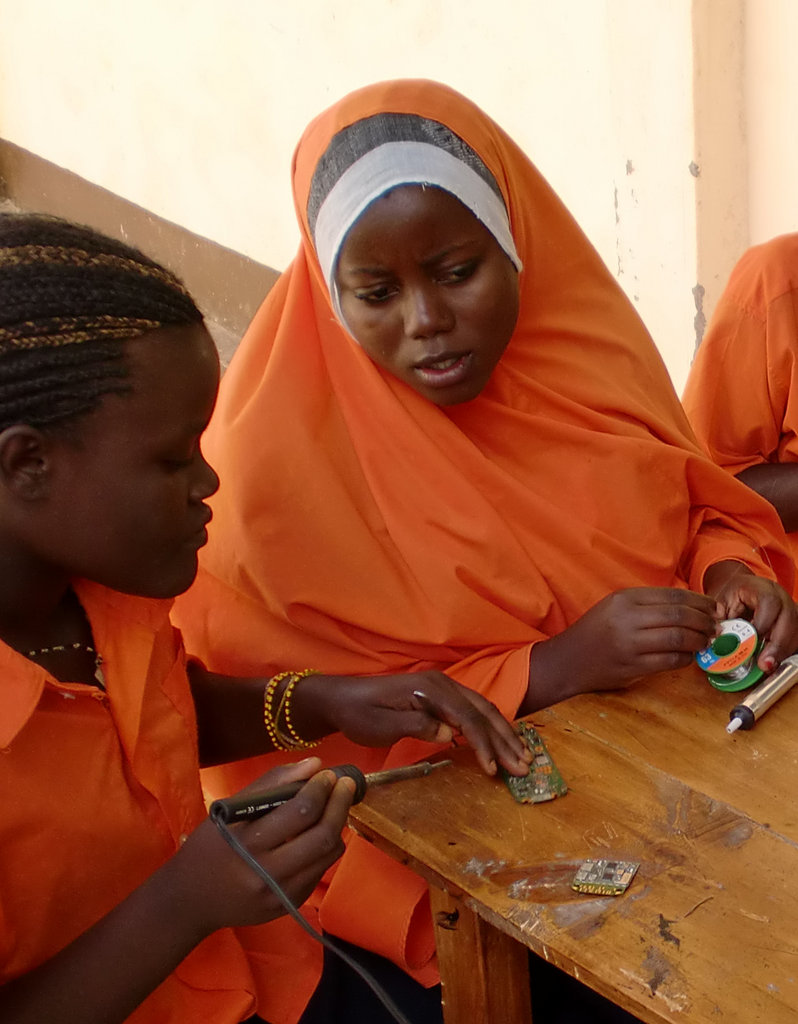
The Dadaab Refugee Camp, located in northeastern Kenya, is a sprawling settlement that has long been synonymous with resilience in the face of adversity. Established to accommodate those fleeing conflict and persecution, it now stands as a microcosm of youthful ingenuity and technological experimentation. The camp, with its vast population of internally displaced individuals—especially youth—serves as a unique milieu for Information and Communication Technology (ICT) projects that promise to reshape perspectives and enhance futures.
In this fascinating array of ICT initiatives, one encounters a dynamic intersection of aspiration, creativity, and innovation. These projects aim not only to equip participants with essential skills but also to foster a sense of community and hope. Herein lies a deep exploration of the myriad dimensions of youth ICT projects in Dadaab, emphasizing their transformative potential.
1. The Convergence of Youth and Technology
At the heart of these ICT projects is an urgent desire to empower youth. Young people often find themselves in limbo, navigating the challenges of displacement while seeking opportunities for personal and professional growth. By integrating technology into their daily lives, they can harness the power of digital tools to transcend geographical limitations. The allure of mobile devices and internet connectivity serves as a gateway to a universe of knowledge and possibilities, beckoning them to explore their potential.
Engaging the youth in this digital landscape is not merely an exercise in skill development; it is a catalyst for broader social change. The infusion of ICT in everyday goals inspires innovative thinking and encourages collaboration among young minds. As they participate in workshops and training sessions, their latent creativity often bubbles to the surface, leading to the birth of projects that address specific local needs.
2. Community-Driven Initiatives
One of the most compelling aspects of ICT initiatives in Dadaab is their community-oriented nature. Rather than imposing solutions from external entities, these projects frequently arise from the very fabric of the camp’s community. This grassroots approach ensures that the projects resonate more profoundly with the needs and aspirations of the youth.
For instance, initiatives may surface in the form of mobile health applications that empower youth to disseminate vital health information among their peers. These projects often utilize local languages and cultural context to ensure comprehension and accessibility. Furthermore, by fostering a culture of peer-to-peer learning and mentorship, these initiatives reinforce community bonds, cultivating a sense of belonging amid the uncertainties of camp life.
3. Bridging the Digital Divide
The Dadaab camp serves as a stark reminder of the digital divide that plagues many vulnerable communities. Despite the challenges, ICT projects function as a bridge to close this gap. By providing access to technology—such as computers and internet services—youth are afforded the opportunity to learn about programming, digital literacy, and other essential skills in today’s job market.
This proactive approach to bridging the digital divide fosters a more level playing field. As young participants gain access to online resources, they can enhance their learning experiences and engage in global conversations. This newfound access can stimulate intellectual curiosity, pushing them to explore topics ranging from coding to digital arts, and enabling them to become active participants in the digital economy.
4. Fostering Entrepreneurship
Innovation thrives in environments where opportunities exist, and the Dadaab youth are no exception. ICT projects often serve as a springboard for entrepreneurial endeavors. By affording youth the skills necessary to develop their own business ideas, these initiatives empower them to pursue self-sufficiency and economic independence.
Workshops that focus on digital marketing, app development, and e-commerce can set the stage for budding entrepreneurs to launch their ventures. Young innovators have created platforms that cater to local needs, such as social enterprises addressing food security or educational services facilitating remote learning. Such ventures not only promote economic resilience but also inspire confidence, as youth take ownership of their futures.
5. Cultivating a Culture of Continuous Learning
One of the most profound legacies of these ICT projects lies in the cultivation of a culture of continuous learning. Emphasizing adaptability and exploration, these initiatives encourage youth to embrace lifelong learning, equipping them with the agility needed to navigate the evolving job landscape.
Facilitators often implement collaborative projects wherein participants can engage in problem-solving challenges, enhancing their critical thinking and teamwork skills. Moreover, the digital realm offers an abundance of free online courses and resources that participants can access, amplifying their educational journeys beyond the confines of the camp. This ethos of perpetual development empowers youth to visualize their role in broader societal narratives, shaping them into proactive citizens.
6. Healing Through Creativity and Expression
Amidst the tribulations faced in the refugee camp, creativity emerges as a significant outlet for emotional expression and healing. Artistic projects, coupled with technology, facilitate channels for the youth to articulate their experiences, dreams, and hopes. Digital storytelling initiatives that intertwine multimedia elements provide a platform for youth to convey their narratives, drawing on both personal and collective experiences.
These creative endeavors not only serve therapeutic purposes but also foster empathy and understanding within the broader community. Through the art of storytelling, youth can reclaim agency over their narratives, transforming their uncertainties into powerful messages that resonate beyond borders.
7. Future Perspectives
The experimentation with youth ICT projects in Dadaab establishes a promising nexus of hope and innovation. As these initiatives continue to evolve, they underscore the significance of nurturing young talent in environments typically marred by despair. The elements of creativity, collaboration, and technological engagement foster a vibrant ecosystem capable of transcending limitations.
In the face of adversity, the youth of Dadaab are not merely passive recipients of aid; they are active architects of their destinies. With the empowerment afforded by ICT initiatives, they are poised to redefine their futures and, eventually, the narratives of their communities. As we gaze towards the horizon, we see not just refugees but innovators, leaders, and advocates, paving the way for a brighter tomorrow.