In recent years, the intersection of technology and environmental stewardship has become a fertile ground for sustainable innovation. But here’s a playful question: What if the very future of reef conservation rested in the capable hands of women leveraging Information and Communication Technology (ICT)? This might sound improbable to some, but the truth is, empowering women in science and technology can lead to profound transformations in how we manage and preserve our precious reefs. Yet, despite myriad advancements, significant hurdles still exist. Let’s explore how women harness ICT for reef conservation and the challenges they face in maximizing their impact.
The coral reefs—often dubbed the “rainforests of the sea”—are marvels of biodiversity but are rapidly declining due to climate change, pollution, and overfishing. Women, who are often primary caretakers of their communities and ecosystems, stand at the forefront of the fight to preserve these vital habitats. With the support of ICT, they can gather data, share knowledge, and implement strategies that are powered by innovation and science.
1. Bridging the Knowledge Gap
Historically, women have been marginalized in scientific fields. However, in the realm of reef conservation, increased access to ICT has created opportunities for women to gain knowledge and training in marine biology and ecology. Online courses, webinars, and digital resources make it feasible for women in remote areas to educate themselves about reef conservation. By harnessing tools such as virtual classrooms and social media groups, women can connect with experts and peers worldwide, leading to a vibrant exchange of ideas and practices that empower local conservation initiatives.
2. Data Collection and Citizen Science
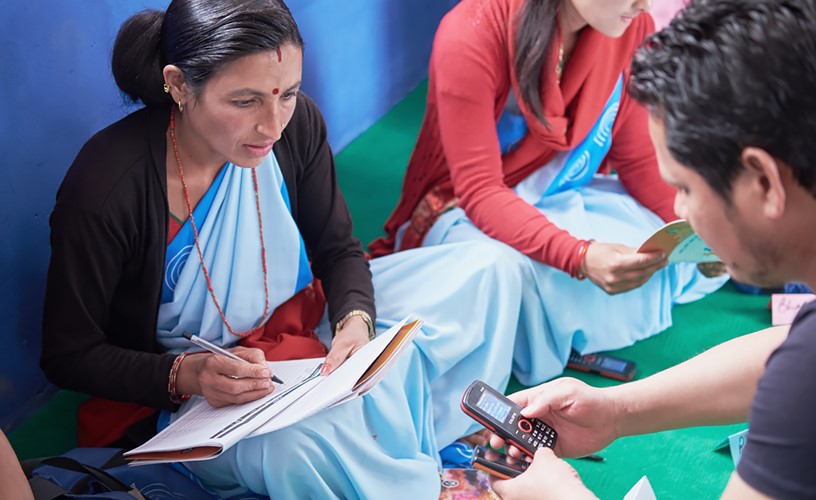
Empowered women harness the power of data to monitor reef health. Employing mobile technologies and applications, they can easily collect data on coral bleaching events, fish populations, and water quality. This data not only informs local management efforts but also contributes to larger datasets analyzed by global research teams. By participating in citizen science projects, women become integral to understanding ecological changes, thus influencing reef conservation policies and practices. What if a woman in a small coastal village could provide crucial data that informs international coral reef management strategies?
3. Advocacy Through Social Media
Social media networks can amplify voices that are often drowned out. Women, equipped with ICT tools, can advocate for reef conservation issues, spark community discussions, and mobilize support. Platforms like Facebook, Twitter, and Instagram enable women to create awareness about the challenges facing coral reefs, garner support for local conservation projects, and connect with influential stakeholders. A viral post can be the catalyst for movement, transmitting the urgency of reef conservation efforts far and wide.
4. Entrepreneurial Ventures and Sustainable Solutions
Empowered women are increasingly becoming entrepreneurs—transforming their passion for conservation into viable business models. Through ICT, they can access markets, showcase sustainable initiatives, and promote products such as eco-tourism, marine education workshops, and biodegradable fishing equipment. These businesses not only provide financial independence but also promote environmentally friendly practices that benefit reef ecosystems. Imagine a woman-run eco-lodge that educates guests about sustainable interactions with reefs. By combining ICT with entrepreneurship, women can lead the charge in sustainable development.
5. Addressing Climate Change and Resilience Building
Climate change disproportionately affects women, especially in regions where they form the backbone of local economies reliant on marine resources. With ICT, women can engage in climate adaptation strategies. They can use modeling tools to predict how changing temperatures affect reef health and communicate these changes to their communities. Furthermore, through the creation of mobile apps focusing on sustainable fishing practices or coral restoration techniques, women can contribute to building community resilience against climate-related disruptions.
6. Flexible and Inclusive Networks
ICT fosters the formation of networks that transcend geographical limitations. These inclusive platforms allow women working in different areas of reef conservation to exchange insights, challenges, and triumphs. Mentorship programs facilitated through video conferencing and online forums enrich these networks, enabling the more experienced to guide newcomers. Women learning from one another cultivates a spirit of collaboration that is essential in addressing the multifaceted challenges of reef conservation.
7. Overcoming Challenges
Despite the immense potential that ICT holds for empowering women in reef conservation, obstacles remain. Access to technology is still a barrier in many regions, particularly in developing countries where bandwidth is limited, and devices are scarce. Cultural attitudes towards women in leadership roles can inhibit their participation in conservation efforts. Additionally, the digital gender gap restricts women’s educational opportunities in STEM fields, perpetuating a cycle of underrepresentation in scientific disciplines.
How can we create a world where every woman aspiring to contribute to reef conservation has the tools and support necessary to do so? This question challenges us to find innovative solutions to dismantle structural barriers and promote ICT literacy among women. Governments, NGOs, and private sector leaders must collaborate to provide resources, training, and platforms that not only empower women but also recognize their unique contributions to the field.
In conclusion, empowering women through ICT in reef conservation and management is not just a progressive idea; it is a necessary strategy for preserving our oceans’ biodiversity. As women harness the power of technology to gather data, influence policy, and advocate for sustainable practices, they redefine what it means to be stewards of the environment. With the world’s reefs hanging in precarious balance, promoting gender inclusivity and technological empowerment in conservation efforts is essential for fostering resilience and sustainability in marine ecosystems.