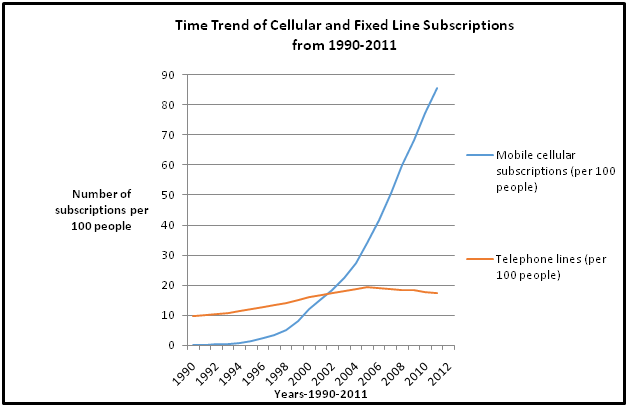
The intersection of technology and economic development is a focal point of discussion in contemporary socio-economic rhetoric. In developing countries, the surge of mobile technology has unveiled a veritable revolution in communication and access to resources. This discourse delves into the multifaceted ways in which mobile devices contribute to economic growth in regions previously hindered by infrastructural limitations and financial constraints.
Historically, the economic landscape of developing countries has been characterized by limited access to traditional forms of banking, education, and information. However, the proliferation of mobile devices has dismantled many of these barriers. Mobile technology has catalyzed innovative solutions that prioritize accessibility and affordability, enabling individuals and communities to partake in the global economy like never before.
One of the most significant impacts of mobile technology on economic growth is the enhancement of financial inclusion. With the advent of mobile banking, individuals who have been traditionally unbanked can now access financial services that were once a luxury. For instance, via platforms like mobile money, individuals can perform transactions, save, and even borrow money—all from the convenience of their mobile devices. This democratization of finance not only empowers individuals but also stimulates local economies. As more individuals transition from a cash-only economy to a digital one, they can engage in commerce more freely, enhancing overall economic circulation.
Moreover, mobile devices have a profound influence on entrepreneurial ventures. The ability to access markets, gather information about consumer preferences, and even connect with suppliers from remote areas fosters an environment ripe for innovation. Small businesses can now leverage mobile technology to craft marketing strategies, engage with customers, and expand their reach beyond local constraints. This transformation fuels job creation, as new startups emerge, fostering a culture of entrepreneurship that is vital for sustainable economic growth.
The ripple effect of mobile technology extends to agricultural sectors, a cornerstone of many developing economies. Farmers, often isolated by geographical and infrastructural barriers, benefit immensely from mobile apps that provide real-time information about market prices, weather forecasts, and agricultural best practices. By utilizing mobile technology, agricultural producers can make informed decisions that ultimately lead to increased yields and profitability. Furthermore, direct access to buyers through mobile platforms reduces intermediaries, ensuring that farmers receive fair compensation for their produce.
Education, another pillar of economic development, has also intersected harmoniously with mobile technology. In areas where traditional educational institutions are sparse or non-existent, mobile learning platforms present opportunities for skill acquisition and knowledge dissemination. Individuals can access online courses, educational materials, and vocational training, contributing to a more capable workforce. As education levels rise, so does human capital, which is indispensable for fostering economic growth and development.
Healthcare—a critical component of societal well-being—has seen transformative improvements through mobile technology as well. Mobile health initiatives allow communities to receive vital information regarding health services, preventative care, and disease management. Telemedicine facilitates consultations with healthcare professionals, bridging the gap between urban healthcare hubs and rural populations. By improving public health outcomes, mobile technology indirectly boosts productivity, reinforcing the economic fabric of developing regions.
The role of mobile technology in enhancing government transparency and civic engagement is another pivotal aspect that warrants attention. Mobile platforms provide citizens with access to information regarding government services, public works, and community involvement opportunities. Engaged citizens can hold local governments accountable, fostering a political culture that is conducive to economic growth. As public trust in government increases, it often correlates with higher investments and business ventures, thereby enhancing economic stability.
Despite the palpable benefits, challenges persist in the continued integration of mobile technology in developing economies. Issues such as network coverage, data privacy, and digital literacy can hinder the realization of mobile technology’s potential. Rigorous efforts must be implemented to ensure that marginalized communities are not left behind in the digital divide. Government policies, educational programs, and private sector investments are paramount in addressing these challenges and ensuring that mobile technology serves as a tool for inclusive growth.
Now, as the global economy continues to evolve, the question arises: what lies ahead for mobile technology in the context of economic growth in developing countries? As digital literacy improves, and infrastructure expands, the nexus between mobile devices and economic vitality is likely to strengthen. The ongoing evolution of technology—particularly in areas like artificial intelligence and the Internet of Things—holds the potential to augment existing mobile applications, paving the way for an even more interconnected and prosperous economic landscape.
In summation, mobile technology has unequivocally emerged as a formidable catalyst for economic growth in developing countries. By enhancing financial inclusion, driving entrepreneurial innovation, improving agricultural practices, expanding educational opportunities, and fostering better healthcare access, the mobile revolution has laid the groundwork for a more equitable economy. The future, while dotted with challenges, beckons with the promise of unprecedented economic possibilities, driven by the ubiquitous presence of mobile devices in the global marketplace.