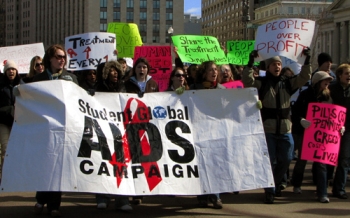
The importance of youth engagement in health policy development cannot be overstated, particularly in the context of HIV/AIDS. The disproportionate impact of this epidemic on younger populations highlights the necessity for their involvement in crafting policies that are not only impactful but also nuanced in understanding the intricacies of their individual experiences. Crowdfunding initiatives like CrowdoutAids provide a novel platform for mobilizing young voices, allowing them to contribute meaningfully to the discourse surrounding AIDS policy. This article delves into the mechanisms through which CrowdoutAids encourages youth participation, the profound implications of their engagement, and the motivations underpinning this innovative approach.
At its core, CrowdoutAids operates on the principle of inclusive dialogue. By creating a space where young individuals can co-create and critique policies, the initiative fosters a climate of collaboration rather than mere consultation. Youth participating in these discussions have the opportunity to articulate their unique perspectives, informed by their life experiences, thereby challenging the often conventional narratives that tend to dominate public discourse. This process not only empowers young people but also enriches the policy-making landscape with diverse viewpoints that reflect the realities faced by various demographics.
One pivotal aspect of CrowdoutAids is its commitment to education and awareness. The initiative provides resources that help young people grasp complex health-related concepts and policy frameworks. Workshops, seminars, and online platforms serve as venues for knowledge transfer where experts share insights on HIV/AIDS trends, prevention strategies, and epidemiological data. This educational component ensures that youth are not just passive participants; they emerge as informed advocates capable of engaging critically with the content. By fostering an environment replete with knowledge, CrowdoutAids nurtures a generation of policy makers that are prepared to confront the multifaceted challenges posed by HIV/AIDS.
Moreover, CrowdoutAids recognizes the intrinsic value of technology in connecting young individuals with a broader audience. The platform harnesses social media, apps, and digital forums to disseminate information widely. By leveraging these tools, it not only enhances visibility but also promotes an interactive dialogue. Young people can share their stories, experiences, and suggestions about AIDS policies, thus amplifying their voices to a global audience. This democratization of information transforms traditional top-down communication models into a more horizontal and egalitarian exchange, where every voice has the potential to impact policy direction.
Social media has not only become a conduit for information but also a catalyst for mobilization and grassroots activism. The stories shared by youth on platforms like Instagram and Twitter can galvanize followers, sparking conversations that extend beyond local boundaries. This ripple effect can influence policymakers and advocate for changes in both local and national policies. By highlighting personal narratives and collective concerns, young advocates push the AIDS conversation into the public sphere, urgently calling for action and reform. These digital narratives serve as powerful reminders of the ongoing struggle against stigma, discrimination, and inequity that trails the HIV/AIDS epidemic.
Furthermore, the psychological and social dimensions of youth engagement in policy-making deserve careful consideration. Many young people living with HIV/AIDS share that their involvement in policy discussions helps combat feelings of isolation and empowers them to reclaim their identity. The initiative recognizes that engagement is not merely a technical exercise but also a deeply personal journey. As youth emerge as advocates, they cultivate resilience, courage, and a sense of purpose, thereby enhancing their mental and emotional wellness. The participatory model encourages young people to lean into their experiences, transforming adversity into advocacy.
However, the engagement of youth is not without its challenges. One of the common pitfalls noted within policy discourse is tokenism—where young voices are solicited but remain unheeded in the decision-making process. CrowdoutAids aims to dismantle this barrier by ensuring that youth contributions directly inform policy outcomes. The initiative employs a structured feedback loop, where young participants see the tangible impact of their input, fostering a sense of ownership and commitment toward sustained participation. This reciprocal relationship between youth and policymakers is essential for building trust and integrity within the engagement framework.
Encouragingly, the growing trend toward youth involvement in policy-making is indicative of a broader movement within global health circles. Organizations and institutions increasingly recognize that young people are not just beneficiaries of policies but are vital agents of change. Programs that prioritize youth involvement not only craft more effective and relatable policies but also strengthen community bonds and resilience. When youth are empowered to lead, the entire community reaps the benefits of innovative thinking, shared responsibility, and a unified approach to combating HIV/AIDS.
In summary, CrowdoutAids exemplifies a transformative model of youth engagement in AIDS policy development. By providing an inclusive platform for dialogue, fostering education, and leveraging digital technology, the initiative catalyzes meaningful participation. The empowerment of young advocates not only enriches policy-making but also reinvigorates community dynamics in the face of the HIV/AIDS epidemic. As more youth engage, challenge, and innovate, they not only shape policies that affect their lives but also inspire a global movement toward greater equity and activism in health policy. Ultimately, the collective efforts of these young changemakers herald a hopeful future in the fight against HIV/AIDS, where their voices are integral in crafting resilient and responsive health strategies.