Creating a digital classroom in the developing world through open education is not just a trend; it is a necessity in our increasingly interconnected global landscape. This innovative approach harnesses technology to bridge the educational divide, creating opportunities that were previously unattainable. Below, we will explore various aspects of this digital transformation—what it entails, the methods employed, challenges faced, and the types of content available to diverse learners.
The Concept of a Digital Classroom
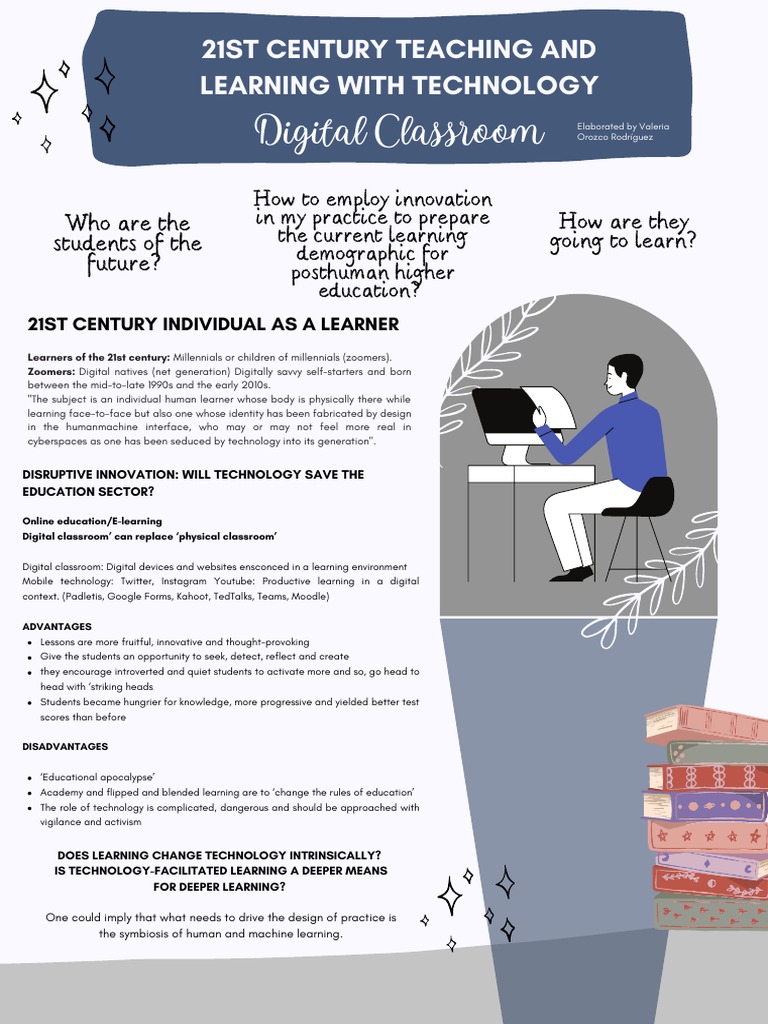
A digital classroom encompasses a virtual learning environment where educators and students interact through technology. This setup allows for a myriad of teaching and learning methods, promoting inclusivity and accessibility. The primary goal is to provide quality education to those in underserved regions, where traditional schooling infrastructure may be lacking or non-existent.
Technological Infrastructure
The backbone of any digital classroom lies in its technological infrastructure. In many developing regions, access to reliable internet and devices poses significant challenges. However, initiatives such as solar-powered internet kiosks and public Wi-Fi stations are emerging as viable solutions. These technologies facilitate connectivity, allowing students to access digital platforms from community centers or schools. Mobile devices have become game-changers; they often provide the most feasible option for learners in remote areas, enabling educational content to be delivered right into their hands.
Learning Management Systems (LMS)
At the heart of digital classrooms is the Learning Management System (LMS). These platforms not only organize learning materials but also track student progress. Popular LMS options include Moodle, Canvas, and Google Classroom. They enable educators to create courses, distribute materials, and foster discussions among students, all within a centralized system. In the context of open education, many of these systems are free or low-cost, making them particularly appealing for institutions operating on limited budgets.
Types of Content Available
The rich tapestry of content is essential for engaging learners and addressing varied learning styles. Digital classrooms incorporate a plethora of resources, including:
- Open Educational Resources (OER): These freely accessible materials—such as textbooks, videos, and lesson plans—allow learners to explore a wide array of subjects without financial constraints. Resources like MIT OpenCourseWare and Khan Academy exemplify platforms that engage learners globally.
- Interactive Multimedia: Engaging videos, infographics, and animations breathe life into traditional subject matter. Educational platforms increasingly utilize gamification, which incorporates game-like elements into learning, harnessing the intrinsic motivation of students and making the educational experience more dynamic.
- Virtual Simulations: Particularly in fields such as science and technology, virtual simulations provide an experiential understanding. These digital environments allow students to experiment and conduct research without the limitations of physical resources.
- Discussion Forums: A cornerstone of collaborative learning, discussion forums facilitate dialogue among students and teachers. These platforms encourage critical thinking and peer engagement, moving beyond rote memorization.
Pedagogical Approaches
To foster a learning environment conducive to knowledge acquisition, diverse pedagogical approaches must be employed. Blended learning, a method that combines face-to-face instruction with online components, has garnered acclaim for its effectiveness. Flipped classrooms have also gained traction, where students learn new content at home through online modules and apply that knowledge during classroom interactions.
Community Involvement and Training
The success of a digital classroom is predicated on the involvement of the local community. Developing partnerships with educational organizations, NGOs, and local governments can enhance the impact of open education initiatives. Furthermore, training teachers to adapt to digital teaching methods is paramount. Continuous professional development equips educators to effectively navigate technological tools while implementing culturally relevant pedagogy.
Challenges Faced
While the potential benefits of a digital classroom are immense, numerous challenges persist. Limited access to technology remains a formidable barrier. Moreover, the digital literacy gap often leaves both students and teachers struggling to adapt. Privacy and security issues also loom large, especially when dealing with young learners. Addressing these concerns demands a multifaceted strategy: investing in infrastructure, enhancing teacher training, and fostering community ownership of educational initiatives.
The Role of Policy Makers
To create sustainable digital classrooms, policy makers must be proactive in crafting educational policies that prioritize technology integration. Infrastructure development must be paired with adequate funding for training programs and resource creation. Furthermore, fostering a culture of innovation within educational institutions will empower schools to experiment with emerging technologies, tailoring solutions to meet local needs.
Conclusion
Creating a digital classroom in the developing world through open education is a transformative vision that marries technology with pedagogy. By embracing innovative strategies, leveraging diverse content formats, and involving local stakeholders, it is possible to foster an educational renaissance that uplifts communities. While challenges remain, the commitment to providing equitable access to knowledge and resources can pave the way for a brighter future for countless learners around the globe.