In an increasingly volatile world marked by natural calamities and man-made disasters, the urgent necessity for innovative approaches to disaster recovery and reconstruction has become glaringly evident. Traditional methods, often characterized by reactive rather than proactive strategies, are proving inadequate in addressing the intricacies of modern catastrophes. As communities face the repercussions of climate change, urbanization, and sociopolitical conflict, novel paradigms are emerging that not only respond to immediate needs but also prepare societies for future adversities. Below, we delve into some of the most compelling competition-driven methodologies transforming disaster recovery and reconstruction efforts globally.
1. Community-Led Recovery Initiatives
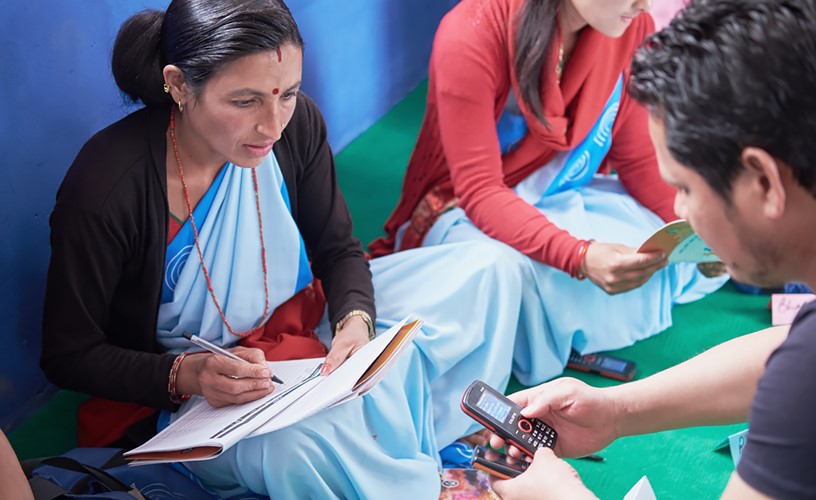
One of the most profound shifts in disaster recovery approaches is the emphasis on community-led initiatives. This paradigm asserts that local people, equipped with their unique knowledge and experiences, are best positioned to navigate the complexities of recovery. By prioritizing local leadership in reconstruction efforts, communities are able to foster resilience through collaborative decision-making processes.
Through participatory budgeting and grassroots organization, communities are forging paths toward sustainable recovery. This method not only empowers individuals but also engenders a sense of ownership, sowing the seeds for long-term viability and cohesion. By leveraging local resources and talents, the recovery process transforms from a top-down imposition into an organic resurgence that honors the community’s identity.
2. Technological Innovations and Big Data
The advent of technology is revolutionizing disaster response systems. Utilizing big data analytics and geospatial mapping, responders can assess vulnerabilities in real-time, allowing for more tailored interventions. For instance, predictive modeling can identify areas likely to be affected by disasters, enabling preemptive action to fortify infrastructure and allocate resources effectively.
Moreover, drones and remote sensing technologies are proving invaluable for damage assessment and reconnaissance purposes. They provide detailed imagery that accelerates planning and response times. Virtual reality (VR) simulations are also being employed to train responders in crisis scenarios, honing their abilities to react promptly with greater precision. Embracing these technologies offers unprecedented efficiency and scalability, vital elements in high-stakes disaster recovery.
3. Sustainable Reconstruction Practices
Sustainability is no longer a peripheral consideration but a central tenet in recovery and reconstruction planning. The competition among municipalities and governments to establish sustainable frameworks is fostering innovative practices that not only rebuild but also enhance resilience against future disasters. This approach includes incorporating eco-friendly materials, implementing renewable energy sources, and fostering green infrastructure.
For example, “Build Back Better” initiatives are increasingly prevalent. These initiatives advocate for the reconstruction of buildings and infrastructure not merely to restore them to their original state but to elevate them beyond pre-disaster conditions. This philosophy resonates particularly well in urban environments, where adapting to climate change and mitigating risk is paramount.
4. Psychosocial Support and Community Well-being
Equally as important as physical reconstruction is the psychological recovery of affected populations. Recent recognition of the interconnectedness of mental health and community resilience has prompted many recovery initiatives to incorporate psychosocial support systems. These initiatives may include counseling services, community workshops, and social engagement programs, designed to foster cohesion and rebuild social networks.
This holistic view of recovery acknowledges that true resilience numbers not only in physical structures but also in the mental fortitude of individuals. By addressing psychological scars alongside tangible infrastructure, communities can emerge more robust, fostering an environment conducive to healing and progress.
5. Public-Private Partnerships (PPPs)
The evolving landscape of disaster recovery increasingly highlights the vital role of Public-Private Partnerships (PPPs). The collaboration between governmental entities and private organizations is fostering a synergy that capitalizes on strengths from both sectors. Companies bring innovation, agility, and financing capabilities, while public agencies contribute regulatory frameworks and access to essential resources.
This collaboration manifests in various forms, including joint ventures for infrastructural projects and shared funding for community-based recovery programs. Such partnerships can expedite the reconstruction process, ultimately leading to more resilient and adaptive communities. The competitive nature of such collaborations drives efficiency as both parties strive to meet established benchmarks and community expectations.
6. Inclusive Policy Development
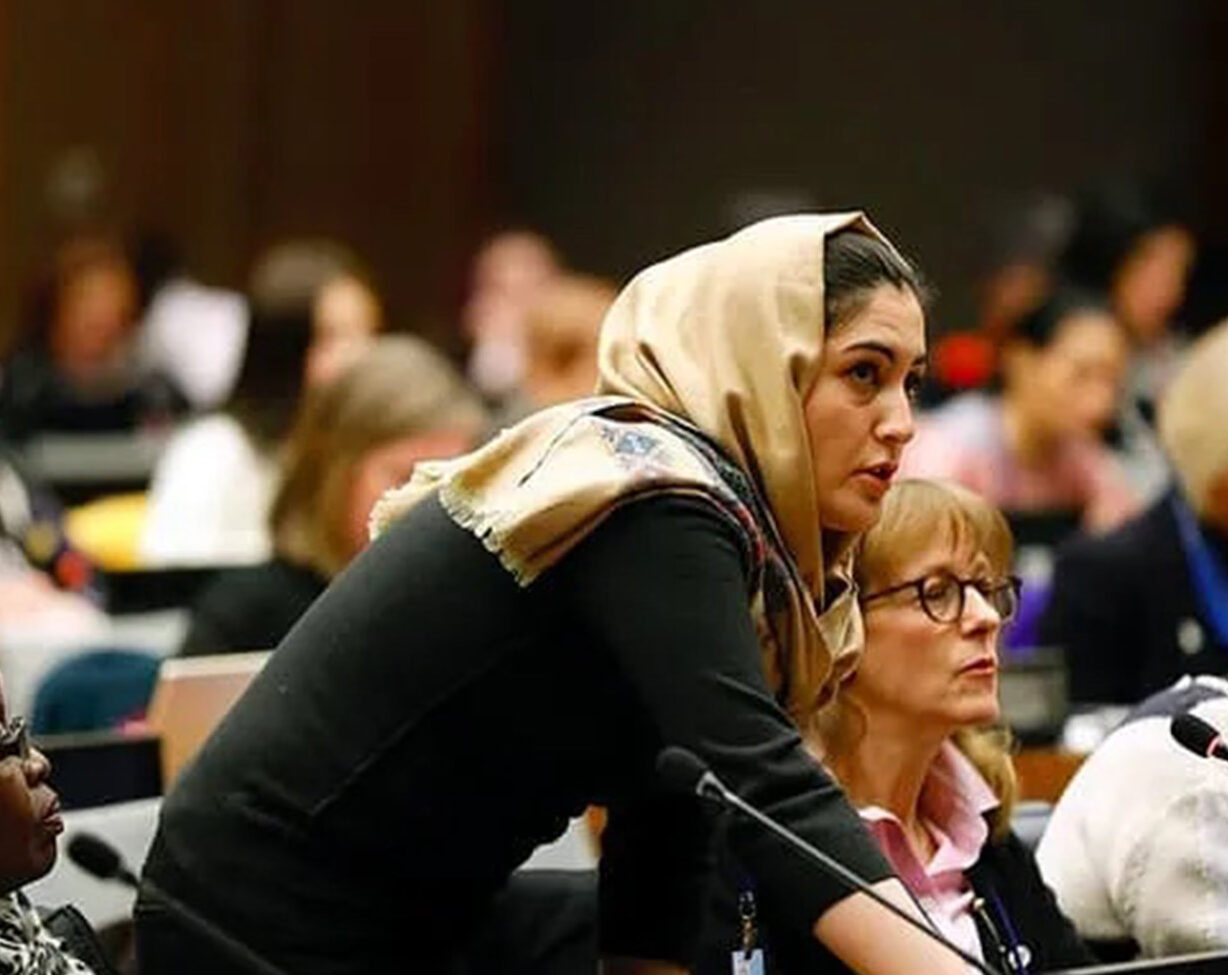
In the aftermath of disasters, the inclusion of diverse voices in policy development is becoming an essential component for successful recovery. Recognizing that marginalized groups often bear the brunt of disaster impacts, inclusive policies aim to design and implement recovery frameworks that are equitable and just. This means actively involving women, children, the elderly, and people with disabilities in planning discussions, ensuring that their needs and insights shape recovery initiatives.
This multifaceted strategy not only elevates the voice of underrepresented populations but also enhances the overall robustness of disaster response systems. As multiple perspectives converge, recovery plans can anticipate various challenges and opportunities, leading to a more comprehensive and coherent response.
Conclusion
As the fabric of disaster recovery and reconstruction continues to evolve, competition among innovative approaches offers a glimmer of hope amidst adversity. By actively engaging communities, utilizing cutting-edge technology, prioritizing sustainability, addressing psychosocial needs, fostering public-private partnerships, and championing inclusivity, we can create a paradigm shift that not only recovers what was lost but also builds a foundation for a more resilient future. These approaches underscore the possibility of transformation in the face of calamity, reflecting the indomitable spirit of communities striving towards resilience.