In a world increasingly driven by technology, the gap between urban and rural connectivity resembles a sprawling chasm, filled with challenges and opportunities waiting to be harnessed. In Sri Lanka, this divide is not merely a statistic; it is a real and palpable barrier to progress and prosperity. Yet, like a tapestry woven with threads of innovation and resilience, the nation is striving to stitch together the digital fabric that envelops both urban and rural areas. This article explores the strategies, successes, and overarching implications of narrowing this divide in Sri Lanka’s digital landscape.
The digital divide in Sri Lanka is akin to a vast river, with urban centers bustling along the banks, while rural areas remain ensconced in relative isolation. Urban regions like Colombo pulsate with high-speed internet access, while remote villages see insufficient connectivity, stifling their potential. To bridge this river, the government and various stakeholders have been diligently crafting innovative solutions, vital to the ethos of an equitable digital future.
One of the promising pathways to connectivity success is the augmented emphasis on infrastructure development. Like foundations laid for a magnificent bridge, the expansion of telecommunications networks and the installation of fiber-optic cables form the bedrock of improved connectivity. Initiatives spearheaded by the Sri Lankan government in collaboration with private companies have led to the proliferation of mobile and broadband services. Rural areas, previously shrouded in the fog of technological neglect, are beginning to receive the much-needed access to digital highways. Through investments in network infrastructure, once-isolated villages now have the opportunity to draw from the vibrant well of online resources, educational platforms, and e-commerce.
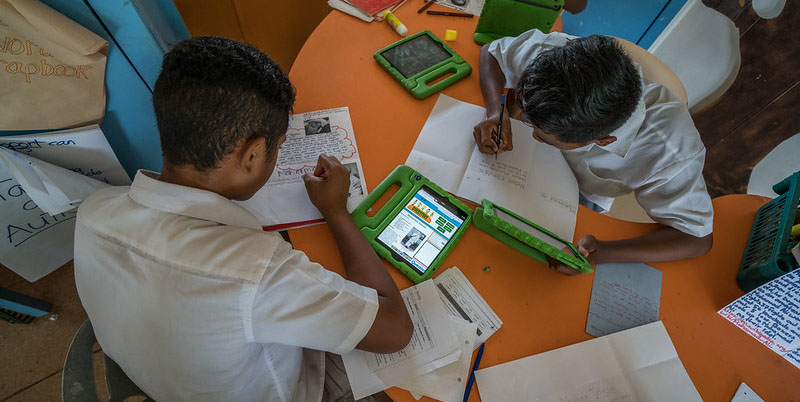
However, just building the bridge isn’t enough; communities must also possess the skills to traverse it. Digital literacy programs emerge as the narrative’s secret ingredient, vital for empowering individuals to navigate their newly connected world. Schools in rural areas, often overlooked, are now becoming epicenters for digital education. Local NGOs and government initiatives are feverishly working to equip both educators and students with the necessary skills to embrace technology. By imparting knowledge through hands-on workshops and training sessions, they are cultivating a generation of tech-savvy individuals, poised to leverage digital tools for entrepreneurial ventures, education, and even social activism. This grassroots effort is like nurturing seeds in fertile soil, nurturing the blossoming of innovation and initiative.
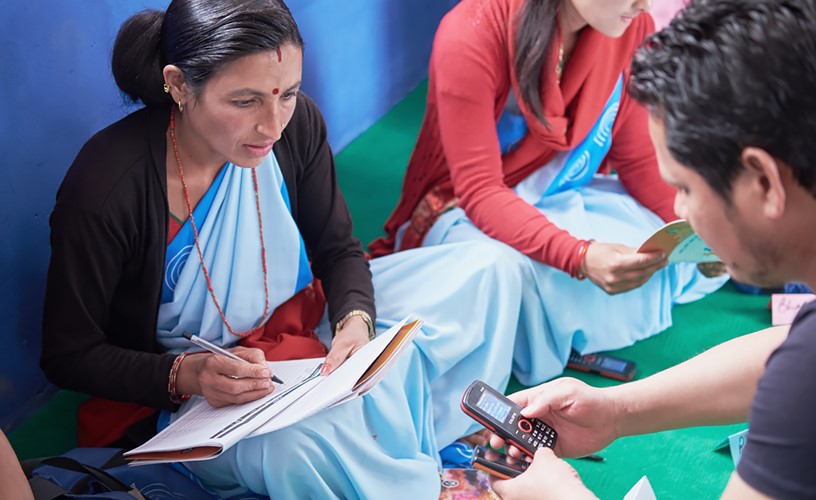
Moreover, the advent of mobile technology has dramatically transformed the rural landscape. Like a vibrant bird taking flight, mobile phones have empowered individuals with unprecedented access to information and communication. Farmers can now receive real-time data on weather, pricing, and best practices directly to their handheld devices, allowing them to make informed decisions. E-commerce platforms are opening up new revenue streams for artisans and agricultural producers, showcasing their goods to a larger market. The digital world no longer feels distant; it becomes part of daily life, enriching both social and economic aspects.
Given the complexities of bridging the digital divide, collaborations become paramount. Public-private partnerships have emerged as the linchpin of success; they harmonize the strengths of the public sector’s reach with the private sector’s agility. For instance, Telcos are working alongside government bodies to expand network coverage in underserved areas. The synergistic relationship brings forth a fusion of resources and innovation, creating a more cohesive ecosystem for digital inclusion. Moreover, such partnerships have the propensity to foster creativity and allow for the rapid implementation of transformative projects that resonate with the needs of specific communities.
Another crucial element in closing this technological chasm is fostering local content and applications. If the internet is to be truly relevant to rural communities, it must speak their language—quite literally and metaphorically. The emphasis on developing localized content ensures that individuals in remote areas can access information that reflects their culture, language, and needs. This focus enables a more meaningful interaction with digital tools, paving the way for engagement and ensuring that technology becomes a vital part of community life.
Nonetheless, challenges persist. The road to narrowing the digital divide often encounters obstacles such as mentalities clinging to traditional practices, infrastructural inadequacies, and varying levels of government commitment affecting continuity. Addressing these barriers necessitates a multifaceted approach. Communities equipped with the right mindset, supported by responsive policies, and facilitated by resilient infrastructure can ultimately craft a sustainable digital ecosystem. The importance of continuous assessment and reinvention cannot be overstated, as innovation in a rapidly evolving digital landscape demands adaptable strategies.
In conclusion, Sri Lanka stands at a crucial juncture, akin to a cartographer tracing new routes on an uncharted map. Closing the urban-rural digital divide is not merely an infrastructural endeavor; it is a transformative journey that embraces the spirit of inclusivity and empowerment. Through meticulous investment in infrastructure, targeted literacy programs, collaborative efforts, and the promotion of local content, Sri Lanka is knitting a tapestry of connectivity that intertwines urban dynamism with rural resilience. The collective aspirations of a digitally connected nation are poised to flourish, crafting a narrative rich in possibilities and interwoven with the threads of progress and equality.