The digital landscape across the globe exhibits a pronounced dichotomy between urban and rural areas, a phenomenon that remains notably stark in Mongolia. Often hailed as a microcosm of larger global issues, the disparities in connectivity pose formidable challenges and even greater opportunities. As Mongolia strides towards bridging this divide, the implications for its economy, culture, and society are potentially transformative. This article elucidates the strategies and innovations that promise to reshape the connectivity spectrum in Mongolia, presenting an intriguing narrative of progress and possibility.
At the core of enhancing connectivity lies the recognition of its fundamental importance. In urban centers like Ulaanbaatar, high-speed internet access and technological resources enable vibrant economic activities and cultural exchanges. Conversely, vast swathes of rural Mongolia remain ensnared by infrastructural inadequacies. The juxtaposition of these realities—a country rich in natural resources yet grappling with a significant urban-rural digital divide—elicits a critical examination of how connectivity can fuel growth and equity.
To dismantle this divide, the Mongolian government, alongside international organizations, has initiated several robust frameworks. One pivotal strategy is the investment in telecommunications infrastructure. The extension of fiber-optic networks into remote areas is not merely a technical upgrade; it symbolizes a promise of integration into a global economy. The establishment of satellite internet services, too, emerges as a beacon of hope, democratizing access to information and resources. With each mile of cable laid, the narrative shifts from isolation to connectivity, from exclusion to inclusion.
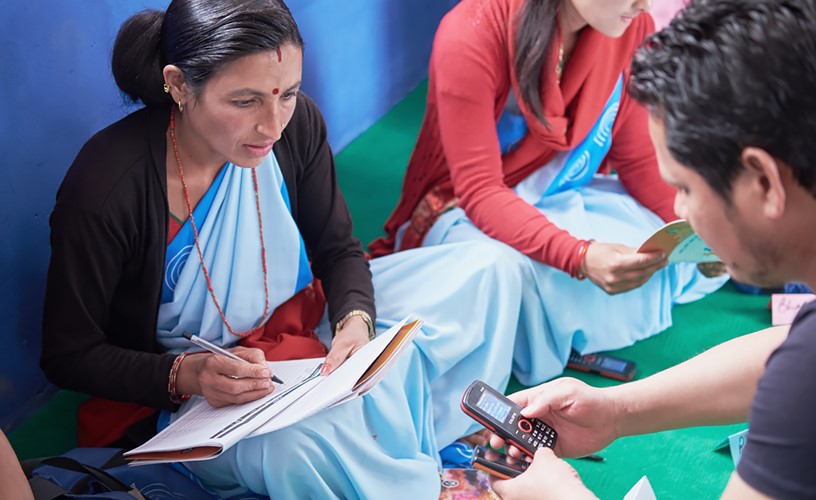
Moreover, the significance of mobile technology in bridging the digital divide cannot be understated. Mobile phones serve as conduits for information and services, particularly in areas where traditional internet connectivity fails. In Mongolia, where herdsmanship constitutes a major economic activity, mobile applications provide herders with vital information—weather forecasts, market prices, and veterinary services—directly impacting their livelihoods. The proliferation of mobile networks represents a pragmatic solution, offering immediate access to critical resources and thereby fostering rural resilience.
Yet, technology alone does not constitute a panacea. User engagement and digital literacy play consequential roles in ensuring that connectivity translates into meaningful impact. Comprehensive training programs are being implemented to equip rural populations with the skills necessary to navigate digital platforms effectively. By fostering a culture of digital literacy, Mongolia is cultivating an informed citizenry poised to leverage these technological advancements for economic and social enhancement. This shift in perspective on digital literacy engenders a sense of agency, empowering individuals to transcend traditional limitations.
A salient feature of Mongolia’s connectivity initiatives is their grounding in entrepreneurship. Innovative startups emerging from both urban and rural landscapes are harnessing technology to address local needs. For instance, e-commerce platforms tailored to rural artisans allow them to showcase their crafts to broader markets. This entrepreneurial spirit not only fosters economic diversification but also nurtures a sense of community empowerment and identity. Highlighting the ingenuity within rural populations, these initiatives illustrate that economic development can be both localized and globalized simultaneously.
The environmental narrative entwined with connectivity efforts merits consideration as well. Mongolia’s vast steppes and rugged terrains pose unique challenges to infrastructure development; yet, this same environment offers opportunities for sustainable practices. Renewable energy projects, particularly solar and wind initiatives, are increasingly being integrated into connectivity frameworks. This nexus between green technology and digital connectivity presents a dual promise: to enhance rural life while committing to eco-friendly principles. By prioritizing sustainability, Mongolia not only reinvents its connectivity landscape but also embodies a model for other nations grappling with similar challenges.
Furthermore, the socio-cultural implications of bridging the urban-rural digital divide cannot be overlooked. Enhanced connectivity fosters cultural exchange, catalyzing a resurgence of interest in indigenous heritages and traditions. Digital platforms serve as virtual galleries for local artisans, exposing a wider audience to Mongolia’s rich cultural tapestry. This not only promotes tourism but also engenders pride among local communities, forging a robust narrative that values both tradition and innovation. The synthesis of modernity with cultural preservation boldly redefines the identity of a nation poised at the frontier of digitalization.
Looking ahead, the potential for advancing connectivity in Mongolia rests on collaborative efforts. Partnerships involving governmental bodies, private sector stakeholders, and international allies are vital to cultivating an inclusive digital ecosystem. The establishment of public-private partnerships can accelerate infrastructural development while ensuring the needs of rural populations are prioritized. This collaborative ethos exemplifies an innovative approach to problem-solving, revealing a model that could be emulated in diverse contexts worldwide.
As we delve deeper into the ramifications of closing the digital divide in Mongolia, one thing becomes increasingly clear: connectivity is a catalyst for transformation. The initiatives underway promise not only to bridge the gap between urban and rural populations but also to redefine the socio-economic landscape of the nation. By embracing this profound shift, Mongolia stands to emerge as a beacon of progress, illustrating that the marriage of technology and culture, tradition and modernity can yield a thriving, equitable society. It beckons a collective inquiry into how such narratives may unfold in other regions, igniting curiosity and hope for a more connected future.