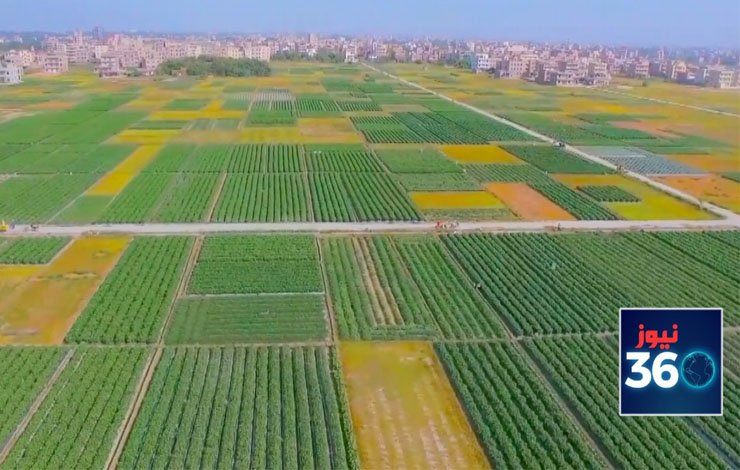
China’s agricultural landscape is undergoing a profound transformation, thanks in large part to the emergence of a sophisticated mobile farming network. This network has revolutionized traditional farming methodologies, integrating technology, data analytics, and communication into agriculture in ways previously considered the realm of science fiction. In this article, we will explore various aspects of this innovative ecosystem, including its structure, functionalities, challenges, and future prospects.
1. Overview of China’s Mobile Farming Network
The concept of a mobile farming network encapsulates the integration of advanced technologies such as Internet of Things (IoT), big data, and cloud computing within agricultural practices. Farmers can access a plethora of information and tools directly from their smartphones, allowing them to make informed decisions on aspects ranging from crop management to pest control.
2. Key Components of the Network
- Smart Devices: Farmers employ a variety of smart devices, including sensors to monitor soil moisture, drones for aerial assessments, and GPS-enabled machinery for precision farming. These devices collect real-time data that aids in increasing productivity.
- Mobile Applications: A range of applications provide farmers with insights on weather conditions, market prices, and best farming practices. Some apps even allow for direct sale of produce, bypassing intermediaries and maximizing profits.
- Data Platforms: Central to the mobile network are data platforms that aggregate and analyze data collected from various sources. This data informs farmers on crop yields, pest trends, and optimal planting times, fostering sustainable farming practices.
3. Essential Functions of the Mobile Farming Network
The capabilities of China’s mobile farming network extend far beyond mere connectivity. Let’s delve deeper into its essential functions:
- Real-time Monitoring: Farmers can continually monitor their crops and livestock using applications that provide live updates on health and progress, enabling immediate responses to possible issues.
- Predictive Analytics: Leveraging algorithms, the network predicts agricultural trends based on historical data, helping farmers plan their seasons effectively, minimizing waste, and increasing yield.
- Supply Chain Management: Integrated logistics systems streamline the supply chain, allowing for better inventory management and reducing spoilage, which is particularly crucial for perishable goods.
- Customer Interaction: Farmers can engage directly with consumers, allowing them to cultivate loyalty and receive immediate feedback on products, thereby enhancing customer satisfaction.
4. Mobile Farming and Sustainability
One of the most significant impacts of the mobile farming network is its potential to foster sustainable agricultural practices. By analyzing crop performance data and environmental conditions, farmers can make ecologically sound decisions that prioritize soil health and biodiversity.
Furthermore, the network encourages practices such as crop rotation and integrated pest management, which were often overlooked in traditional farming due to a lack of accessible information. This holistic approach minimizes chemical usage, enhances the quality of produce, and ultimately leads to more resilient ecosystems.
5. Economic Implications
The economic ramifications of this mobile farming network are profound. Farmers can significantly increase their productivity and profits by connecting directly with consumers and making data-driven decisions. In particular, smallholder farmers gain access to tools and information that were once only available to large agricultural enterprises.
Moreover, improved agricultural productivity contributes to rural development, as increased financial stability leads to reinvestment in local communities, bolstering rural economies.
6. Challenges and Obstacles
Despite its potential, the mobile farming network is not without challenges. These include:
- Digital Divide: Not all farmers have equal access to mobile technology or the internet. Rural areas, in particular, may lack the necessary infrastructure, leaving many farmers unable to participate in this digital revolution.
- Data Privacy: The collection and analysis of vast amounts of data raise concerns regarding privacy and data security. Farmers must trust that their data will be used ethically and not exploited by third parties.
- Training and Support: Many farmers may lack the requisite digital literacy to fully leverage the capabilities of the network. Ongoing education and support are necessary to ensure that farmers can navigate these technological advancements effectively.
7. The Future of Mobile Farming in China
As we look toward the future, the potential for growth within China’s mobile farming network is immense. Continuous advancements in artificial intelligence and machine learning will likely enhance predictive capabilities, leading to even more efficient farming methods.
Moreover, collaborations between tech companies and agricultural specialists will further refine these systems, ensuring they are tailored to meet the diverse needs of various regions across the country. These partnerships are pivotal for developing innovative solutions that can adapt to the nuances of local climates and farming traditions.
8. Conclusion
China’s mobile farming network represents a paradigm shift in agricultural practices, marrying technology with tradition for enhanced productivity and sustainability. As this network continues to evolve, it will usher in a new era of farming that not only aims to feed a growing population but also protect the environment for future generations. The synergy between agriculture and technology exemplifies a forward-thinking approach that may very well define the future of global farming.