In the heart of Niger, where the sun beats relentlessly on an arid landscape, an unassuming yet profound revolution is afoot: the Mobile Literacy Project spearheaded by Cgd. It’s an initiative that stands at the confluence of technology and education, aimed at combating the pervasive illiteracy that has plagued this West African nation for generations. But here’s the playful question: What if the solution to a profound crisis lies in the palm of your hand? And what if that seems too good to be true? This brings us to the intriguing challenge that looms large over innovative educational interventions like this one.
### The Challenge of Literacy in Niger
Niger consistently ranks among the lowest globally in literacy rates. With an annual report noting that more than 60% of the population is illiterate, the repercussions factor into economic stagnation, societal inequities, and limited access to opportunities. The primary language of instruction in schools seldom corresponds to the languages spoken by the local populace. This language barrier acts as a formidable obstacle, stifling the learning process at its very core.
This systemic issue isn’t merely a number on a report. It affects real lives, deterring individuals from pursuing education, hindering professional development, and, ultimately, perpetuating poverty. The challenge, therefore, extends beyond simple literacy. It encompasses a holistic view of what it means to educate a populace constrained by socio-economic and geographical limitations.
### Enter Cgd and the Mobile Literacy Project
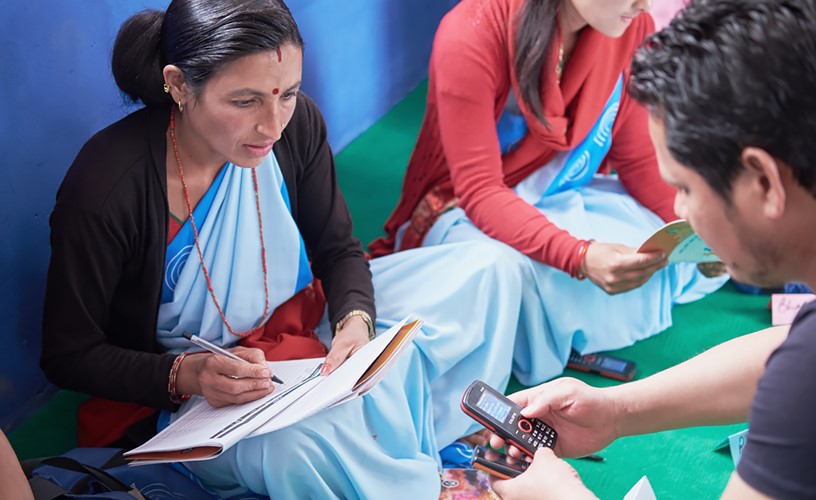
Amidst this challenging backdrop, Cgd introduced a solution that mingles innovation with practicality: the Mobile Literacy Project. With mobile phone penetration in Niger steadily increasing, Cgd seized the opportunity to embed literacy training within the very devices that individuals carry every day. This concept transforms the age-old challenge into a more accessible format.
Imagine, if you will, a young farmer in a remote village, struggling not just with literacy, but with accessing relevant market information and agricultural advice. This is where the Mobile Literacy Project enters, offering a pathway to empowerment that seamlessly integrates learning into daily life. Lessons are delivered via SMS and interactive voice response, making education not just attainable but also engaging.
### Tailored Content for Diverse Learners
One of the salient features of the Mobile Literacy Project is its adaptability. It recognizes that one size does not fit all, particularly in a linguistically diverse country like Niger. The program tailors content in various local languages, breaking down barriers and creating more inclusive educational opportunities. Users can select the language they are most comfortable with, enabling a more profound understanding of the material presented.
The content isn’t just dry reading; it encompasses practical knowledge, including financial literacy and agricultural advisories, allowing users to apply what they learn to real-life scenarios. This fusion of literacy and vocational skills nurtures a sense of agency among users, equipping them with tools to effect change in their communities.
### The Power of Community Engagement
Central to the success of the Mobile Literacy Project is the emphasis on community engagement. Cgd has forged alliances with local leaders and organizations, embedding the project within the cultural fabric of the regions it serves. This grassroots approach has amplified participation and turned learners into advocates for change, fostering a community of support around literacy.
Community members are trained as facilitators, thereby instilling a sense of ownership and pride in the initiative. By aligning the program with local needs and customs, not only is the likelihood of adoption increased, but sustainability is also bolstered. The rhetorical question arises: How much more powerful might this project become if the community actively champions literacy?
### Measuring Success: Impact and Outcomes
Initial feedback from participants has been promising. Many report improved literacy rates, an uptick in self-confidence, and an inclination toward lifelong learning—a fundamental desire that was perhaps dormant before the initiation of this project. Evaluative frameworks have been put in place to monitor progress and adapt the curriculum as necessary, ensuring that the program evolves alongside the needs of its users.
The impact of the Mobile Literacy Project extends well beyond individual learners. As communities collectively gain literacy skills, the ripple effects manifest in economic development, increased civic engagement, and enhanced quality of life. If empowered citizens emerge as beacons of change, what implications does that carry for future generations?
### The Road Ahead: Scaling the Initiative
As the Mobile Literacy Project enters its next phase, scalability looms as both an opportunity and a challenge. Outreach efforts must be expanded to reach remote villages, and access to technology remains a pressing concern. While mobile penetration is increasing, the digital divide persists, with segments of the population still lacking adequate access to devices and services.
Cgd is now poised to explore partnerships with telecommunications companies and NGOs to surmount these obstacles. Innovations in technology promise to further amplify the reach of educational initiatives, but can these pathways keep pace with the urgency of the literacy crisis?
### Conclusion: A Vision for the Future
The Mobile Literacy Project is much more than a stopgap solution; it’s a detailed manifesto for a brighter, more literate Niger. By confronting systemic challenges and harnessing the power of local narratives, Cgd is steering a course toward educational empowerment. While hurdles remain, the trajectory is optimistic. As technology continues to blend with education, one must ask: Could mobile technology be the untapped catalyst for a literacy revolution in not just Niger, but beyond?