The agricultural value chain is intricate and multifaceted, characterized by a series of interconnected processes that transform raw products into market-ready goods. As the sector evolves, so too do the challenges associated with financing these processes. Side selling, the act of bypassing the established value chain to sell directly to alternative buyers, presents a significant hurdle. This practice not only undermines established relationships between farmers and cooperatives but also disrupts the flow of capital necessary for sustainable agricultural development. Information and Communication Technologies (ICTs) have emerged as a compelling tool in addressing these challenges, offering innovative pathways to enhance transparency, streamline logistics, and foster financial inclusivity within the agricultural sector.
Initially, it is imperative to grasp the nuances of side selling. This phenomenon often arises from a lack of trust in the value chain—or perhaps a disillusionment with the returns offered through traditional market channels. Farmers, seeking better prices or immediate cash flow, may gravitate towards more lucrative opportunities outside their usual sales networks. This trend can destabilize local economies, create friction among market actors, and perpetuate a cycle of chaos in pricing and product availability.
ICTs hold promise in mitigating these challenges through various mechanisms. One such mechanism is the use of mobile applications, which facilitate real-time communication between farmers and buyers, as well as among various stakeholders in the value chain. By empowering farmers with access to market prices, trends, and buyer ratings, these technologies can foster informed decision-making. When farmers are equipped with accurate data, they ultimately become less susceptible to the allure of immediate, yet unsustainable, sales outside the established network.
Further, the role of ICTs extends beyond mere communication; they enhance the logistical aspects of the agricultural value chain. For instance, digital platforms can improve inventory tracking and management, ensuring that resources are allocated efficiently and that surplus goods are identified before they depreciate in value. Such systems can also optimize distribution processes, thereby reducing the delays that often motivate farmers to pursue side selling options. When farmers can reliably anticipate demand and ensure timely delivery of their products, their reliance on alternative sales channels diminishes.
Moreover, collaboration platforms powered by ICTs can catalyze a sense of community among farmers. Websites and apps that connect local producers with one another can engender real-time sharing of insights, strategies, and even joint purchasing schemes. This collaborative spirit not only strengthens the value chain but also elevates farmers’ perceptions of the benefits offered by established market connections. When individual farmers feel they are part of a cohesive unit rather than isolated units, their inclination towards side selling is likely to wane.
In addition to enhancing communication and logistics, ICTs can play a pivotal role in addressing the financial barriers hampering farmers’ engagement in established value chains. Financial technology (fintech) solutions designed for the agricultural sector can provide farmers with access to credit, insurance, and other financial products tailored to their needs. By leveraging mobile phones and the internet, fintech firms can streamline the lending process, offering microloans that are crucial for purchasing inputs, machinery, and other necessities to enhance productivity. This financial support not only buffers farmers against cash flow challenges but also reinforces their commitment to the collective value chain.
Another vital element worth mentioning is the significance of data analytics. Through the aggregation and analysis of farming data, it is possible to generate insights that can lead to improved production practices. Farmers equipped with data-driven recommendations pertaining to crop choices, planting times, and pest management strategies can make smarter decisions that ultimately yield higher profitability. When farmers understand the financial implications of their choices, it becomes evident that participating within an organized value chain offers greater long-term benefits than the interim gains associated with side selling.
Additionally, ICTs are instrumental in combating the threat of fraud and exploiting market asymmetries, common precursors to side selling behavior. Blockchain technology, for example, can be employed to create transparent and tamper-proof records of transactions throughout the value chain. As the credibility of the supply chain increases, farmers are less likely to feel incentivized to engage in alternative sales, since their participation in legitimate channels now embodies a level of security and trust.
However, it is crucial to recognize that the effective implementation of ICTs is not without challenges. Issues such as digital illiteracy, inadequate infrastructure, and the initial costs of technology can hinder the uptake of these innovations among farmers, particularly in rural areas. Thus, stakeholders, including governments, NGOs, and private enterprises, must collaborate to ensure appropriate training, resources, and infrastructure development are in place. This multidimensional approach is essential for driving the widespread adoption of ICTs in the agricultural sector.
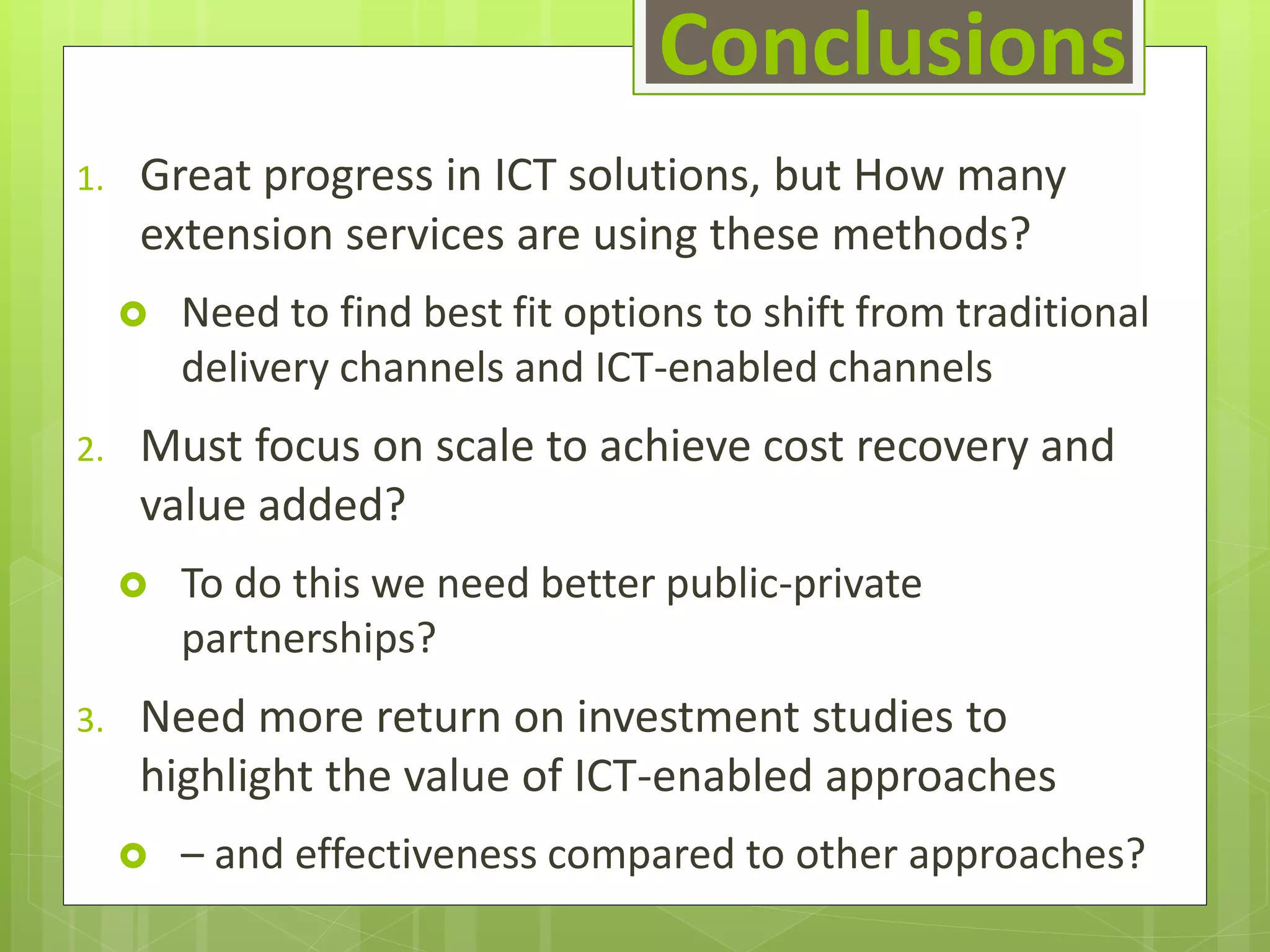
In conclusion, while side selling presents a multitude of challenges to the agricultural value chain, the strategic utilization of Information and Communication Technologies offers transformative solutions. By enhancing communication, bolstering logistics, fostering financial inclusion, and mitigating fraud, ICTs can reform the dynamics of agricultural marketing. Their ability to address the root causes of side selling may not only stabilize local markets but can also pave the way for a robust and resilient agricultural economy. Embracing these technologies is not merely an option; it is an imperative for the sustainable advancement of the agricultural sector.