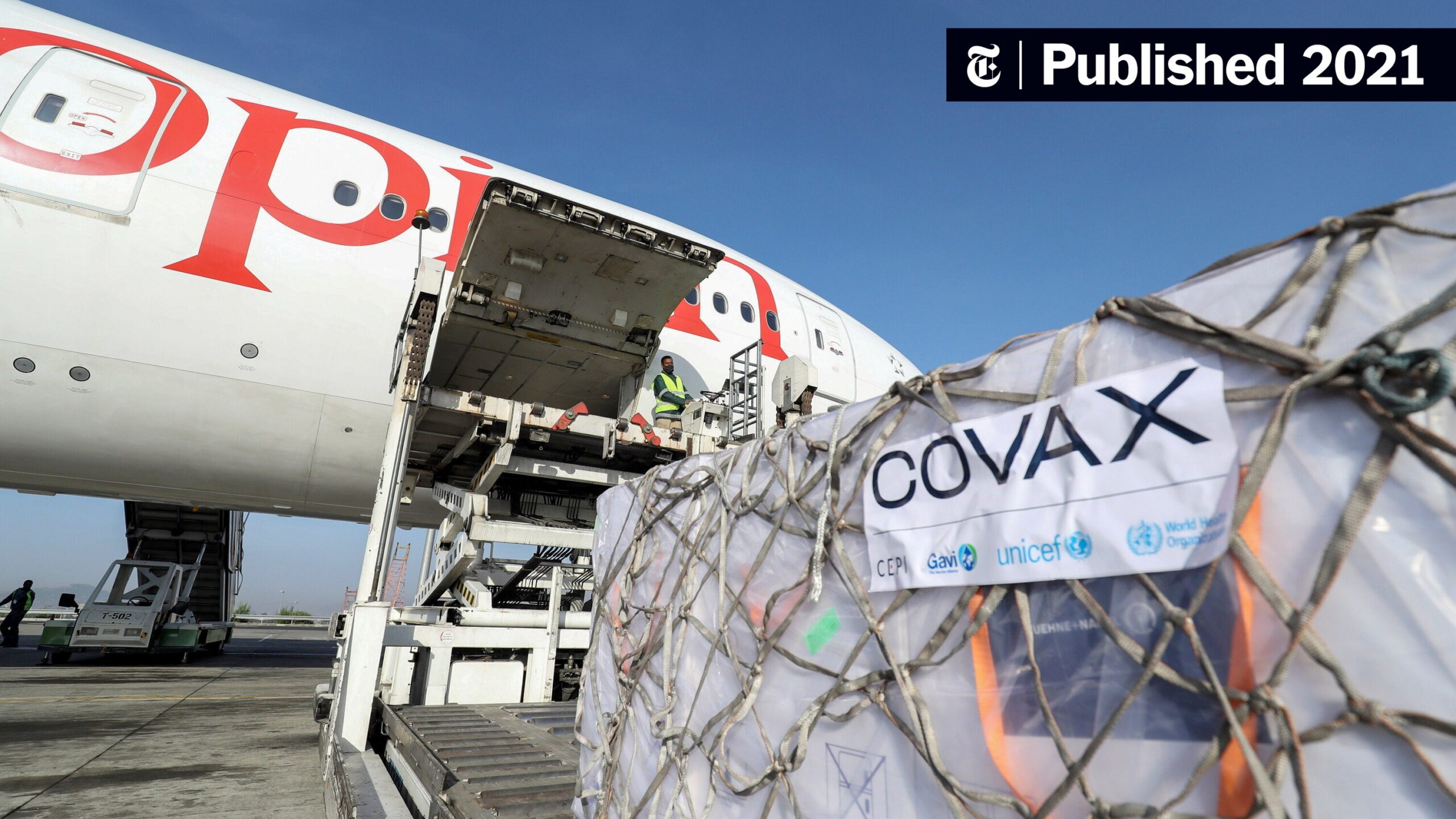
In the vast expanse of resource-poor regions, the challenges of healthcare accessibility can be daunting. Among the many logistics dilemmas, the transportation of essential vaccines emerges as a pivotal issue. Fortunately, innovative solutions have surfaced, notably the use of camels alongside SMS (Short Message Service) technology to navigate these challenges. This article delves into the multifaceted dynamics of using camels for vaccine transportation, amplifying their timeless utility through modern communication methods.
1. The Camel’s Enduring Role in Desert Economies
Camels, often dubbed the “ships of the desert,” possess unique physiological adaptations that enable them to thrive in arid environments. With their remarkable ability to conserve water and their resilience against extreme temperatures, camels have been central to the economic fabric of numerous regions for centuries. These animals not only ferry goods but also uphold cultural traditions and sustain the livelihoods of pastoral communities.
In the context of vaccine delivery, camels provide a lifeline in vast and inhospitable terrains where traditional vehicles may falter. Their sure-footedness allows them to traverse rugged landscapes peppered with sand dunes and rocky outcrops, ensuring that vaccines reach remote clinics that would otherwise remain inaccessible.
2. Vaccination: A Critical Public Health Measure
The significance of vaccination cannot be understated. As a cornerstone of public health, vaccines prevent the spread of infectious diseases, safeguarding entire populations from outbreaks. However, in areas afflicted by poverty, infrastructural deficits hinder vaccination efforts, leaving communities vulnerable.
This is where the camel’s unique capabilities align with public health initiatives. For instance, cold chain logistics, essential for vaccine preservation, are often insufficient in rural areas. Utilizing camels not only mitigates transportation challenges but also incorporates traditional practices, making the process culturally relevant to the communities served.
3. Integrating SMS Technology for Efficient Communication
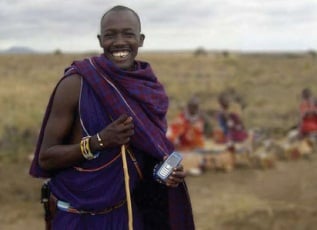
In tandem with the physical transport provided by camels, the integration of SMS technology revolutionizes communication within health systems. SMS serves as a powerful tool to relay critical information, such as vaccination schedules and cold chain status, to healthcare workers in remote locations. This two-pronged approach—leveraging animal transport and modern communication—enhances the efficiency of vaccine distribution.
For instance, mobile health initiatives can send notifications to community health workers regarding vaccine stock levels or alerts about upcoming vaccination campaigns. Such timely communication ensures preparedness and optimizes resource allocation, further supporting the health initiative’s efficacy.
4. Bridging Community Engagement and Trust
Community engagement plays a vital role in the success of vaccination programs. When people have trust in the methods and personnel involved in healthcare delivery, they are more likely to participate. The historical and cultural significance of camels in these regions fosters a sense of familiarity, which can be leveraged to enhance community buy-in.
Moreover, when SMS messages are used to disseminate information about vaccination campaigns, they can also highlight the contributions of local camel herders and promote their involvement. By integrating the local economy into public health efforts, communities may view vaccination efforts as a collaborative venture rather than an imposed initiative.
5. Challenges and Considerations in Implementation
While the use of camels and SMS for vaccine transportation showcases significant promise, numerous challenges persist. Differing terrains, seasonal migrations of camel herders, and potential communication barriers necessitate meticulous planning and adaptability.
Healthcare officials must implement robust training for camel handlers to ensure the safe transportation of vaccines while adhering to cold chain requirements. Similarly, ensuring that SMS infrastructure is available and reliable in remote areas is crucial for maintaining effective communication.
6. Case Studies: Successful Implementations
A burgeoning array of case studies demonstrates the efficacy of combining camels and SMS technology for vaccine transportation. In regions such as the Horn of Africa, numerous pilot projects have illustrated that integrating animal transport systems with mobile communication can dramatically enhance vaccination rates.
For example, a project in Somalia has utilized camels to deliver vaccines to pastoralist communities during drought, with SMS alerts providing real-time updates on vaccine availability. This not only decreased vaccine wastage but also significantly increased the willingness of communities to engage with vaccination campaigns.
7. Future Implications for Global Health Initiatives
The implications of integrating camels and SMS in vaccine transportation extend beyond localized solutions. As global health initiatives increasingly emphasize resilience and sustainability, these approaches can serve as templates for similar projects in diverse settings. The overlapping of traditional knowledge with modern technology exemplifies a harmonious synthesis that could invigorate public health efforts worldwide.
In conclusion, the collaboration of camels and SMS technology presents an innovative solution to a critical public health challenge in resource-poor areas. As communities continue to face natural and infrastructural adversities, leveraging traditional practices and modern techniques paves the way for more efficacious healthcare delivery systems. With concerted efforts, the daunting task of vaccine transportation in challenging environments can evolve into a well-oiled and culturally sensitive machine, instilling hope and well-being across vulnerable populations.