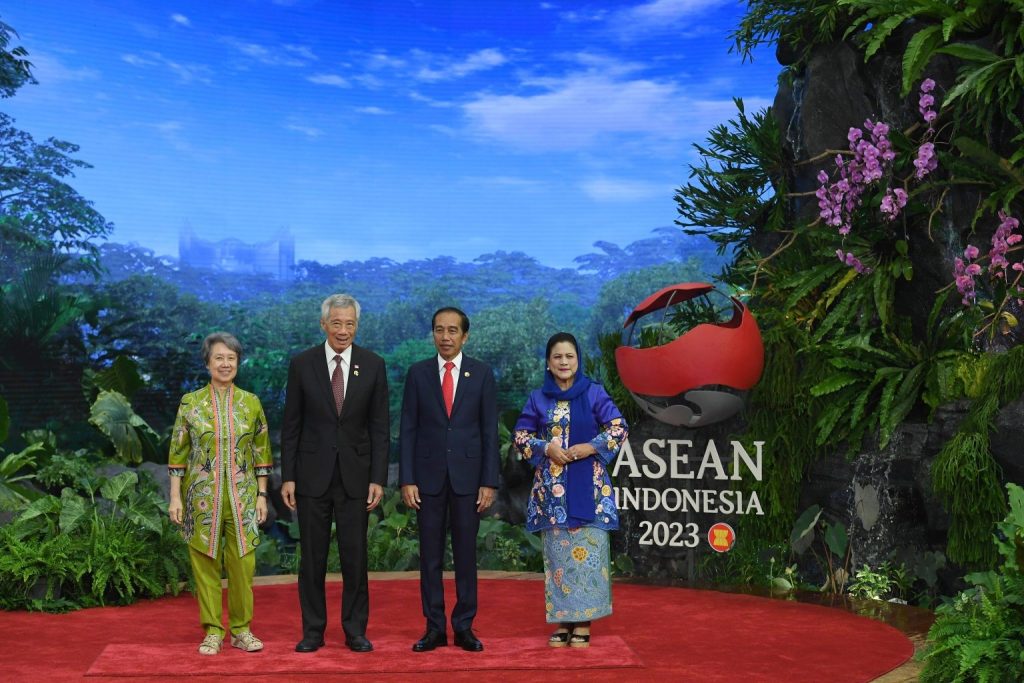
In a vibrant city filled with historical charm and bustling streets, the recent gathering of Asian USF leaders in Jakarta stands as a significant focal point for collaborative initiatives in the region. The meeting gathered representatives from diverse backgrounds, all with the shared goal of harnessing the power of knowledge, leadership, and diplomacy to address pressing challenges that transcend national borders. But here’s a question to ponder: Can diverse perspectives truly unite to forge a cohesive path forward, or do differing ideologies obscure the way ahead?
As leaders assembled in the heart of Indonesia’s capital, the ambiance was electric with anticipation. Jakarta, with its blend of cultural richness and modernity, provided a fitting backdrop for discussions that aimed to address critical issues such as climate change, economic stability, and social equity. The exchange of ideas was not merely a formality; it represented a microcosm of the broader challenges facing Asia and beyond.
The significance of this meeting cannot be overstated. With each participating nation grappling with its own unique circumstances, the convergence of these leaders served as a crucible for innovation and solutions. As the world continues to grapple with pandemics and economic upheavals, the urgency for collaborative efforts has never been more apparent. Leaders explored avenues for cooperation, fostering dialogues on topics from sustainable development to technological advancement.
Throughout the discussions, several key themes emerged, illustrating the multifaceted nature of the challenges at hand. One prominent issue was the need for a robust response to climate change. As the natural environment faces unprecedented stress, leaders deliberated on collective strategies to mitigate its impacts. Questions arose about balancing industrial growth with environmental stewardship. Would the commitment to sustainable practices hold steady in the face of economic demands? This tantalizing conundrum poses a challenge that echoes across nations, compelling leaders to think outside their traditional paradigms.
Additionally, economic interdependence was a major talking point, highlighting the intricate web of trade relationships within the region. In an era marked by globalization, the meeting underscored the paradox of competitive cooperation. How can nations collaborate economically while simultaneously striving for their own national interests? The leaders engaged in spirited dialogue, contemplating strategic partnerships that could bolster regional resilience against external shocks, such as fluctuating markets or geopolitical tensions.
Moreover, social equity emerged as a crucial pillar during the discussions. With disparities in wealth and access to resources prevalent across the region, the emphasis shifted towards creating inclusive policies that benefit all segments of society. The leaders recognized that failure to address social justice could lead to civil unrest and hinder progress. Yet, how can they each navigate their individual political landscapes to implement these profound changes? Encouraging unity in diversity may prove to be a formidable test in the months to come.
The role of technology also took center stage, illuminating how digital transformation could serve as a catalyst for growth. Leaders exchanged insights on harnessing technological innovations to enhance governance, improve public health infrastructure, and streamline economic processes. The potential for tech-driven solutions is immense; however, they acknowledged that digital disparities exist within their own societies. Achieving equitable access to technology poses yet another challenge—one that may require regional collaboration to bridge the gap between tech-savvy urban centers and underserved rural areas.
Amidst the whirlwind of ideas and proposals, the spirit of camaraderie undeniably permeated the room. Leaders found common ground in shared experiences, allowing them to forge connections that may extend beyond formal associations. The collaborative environment fostered not only discussions but also a genuine desire for collective progress. As they engaged in constructive dialogues, one could sense an underlying question echoing through the gathering: How do we transform these discussions into tangible actions that resonate far beyond the conference hall?
As the meeting wrapped up, attendees left Jakarta with a renewed sense of purpose, armed with actionable insights and strategic frameworks. However, the road ahead is laden with formidable challenges. Will these leaders transcend their differences to elevate the conversation toward meaningful outcomes, or will they retreat into the shadows of their own jurisdictions? The interplay of cooperation and individual ambition is a delicate dance that will play out in the coming months.
In conclusion, the Asian USF leaders’ meeting in Jakarta serves as a pivotal moment in the quest for regional cooperation amid a convoluted global landscape. It insists upon the necessity of collaboration while confronting the complexity of divergent national interests. To navigate these challenges successfully, leaders must harness their divergent perspectives and unite their efforts towards common goals. The potential for innovation exists—will they seize the moment, or will the challenge of unity overshadow their aspirations?